
She (Alan Go’a) gave them each an arrow shaft and told them to break it. Each one was broken – why would they not be? – and let fall. Again, she bundled together five arrow shafts, gave the shafts to them and told them to break them. All five of them one after another took the five arrow shafts joined together but were unable to do as she said and break it.
The Secret History of the Mongols, on Alan Go’a, ancestor of Genghis Khan.
The Mongols
Rise and Fall of an Empire

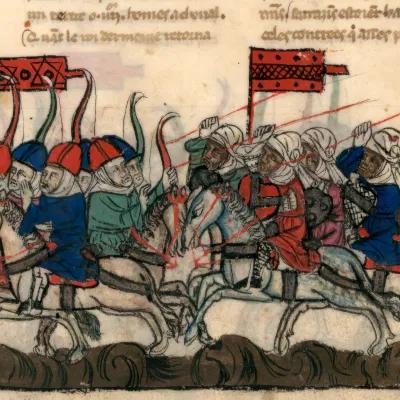
In the 13th and 14th centuries CE, the Mongols built the largest land empire the world had yet seen. Stretching from the Pacific in the east to the shores of the Black Sea in the west, their empire covered around 24 million square kilometres—roughly one-sixth of the Earth's land surface. Their empire was one of extremes. The Mongols were known for their talent in battle, their thirst for conquest, and brutal massacres. They were also patrons of science, strong believers in religious tolerance, and facilitated the trade of goods and ideas between Europe and Asia. The single empire did not last long. It splintered in the 1260s into four rival khanates. Yet the Mongols' influence on culture, science, trade and warfare continues to shape the modern world.
4 minute read
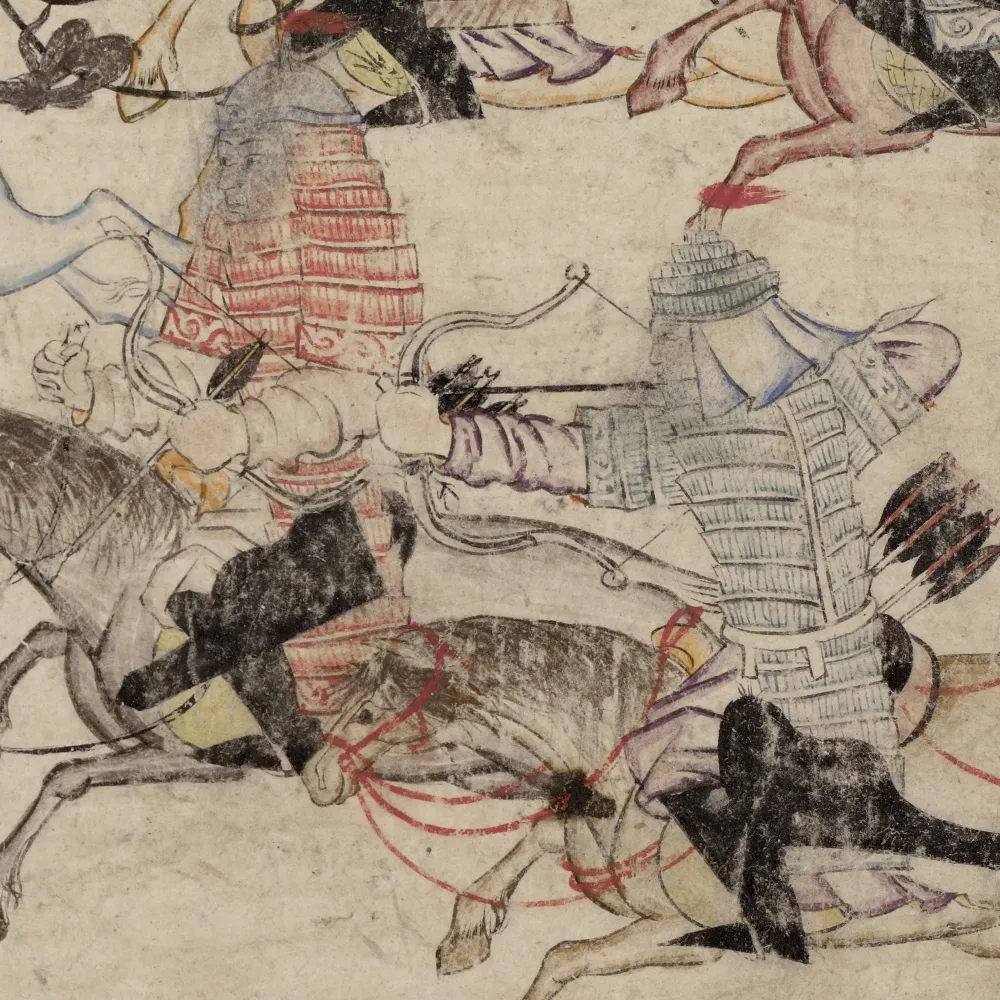
Rise of the Mongols
From the grasslands of the Eurasian Steppe, the Mongols built the largest land empire in history. Follow the key events from the rise of Genghis Khan to the expansion of the Mongol Empire, and discover how warfare, diplomacy and trade reshaped the medieval world.
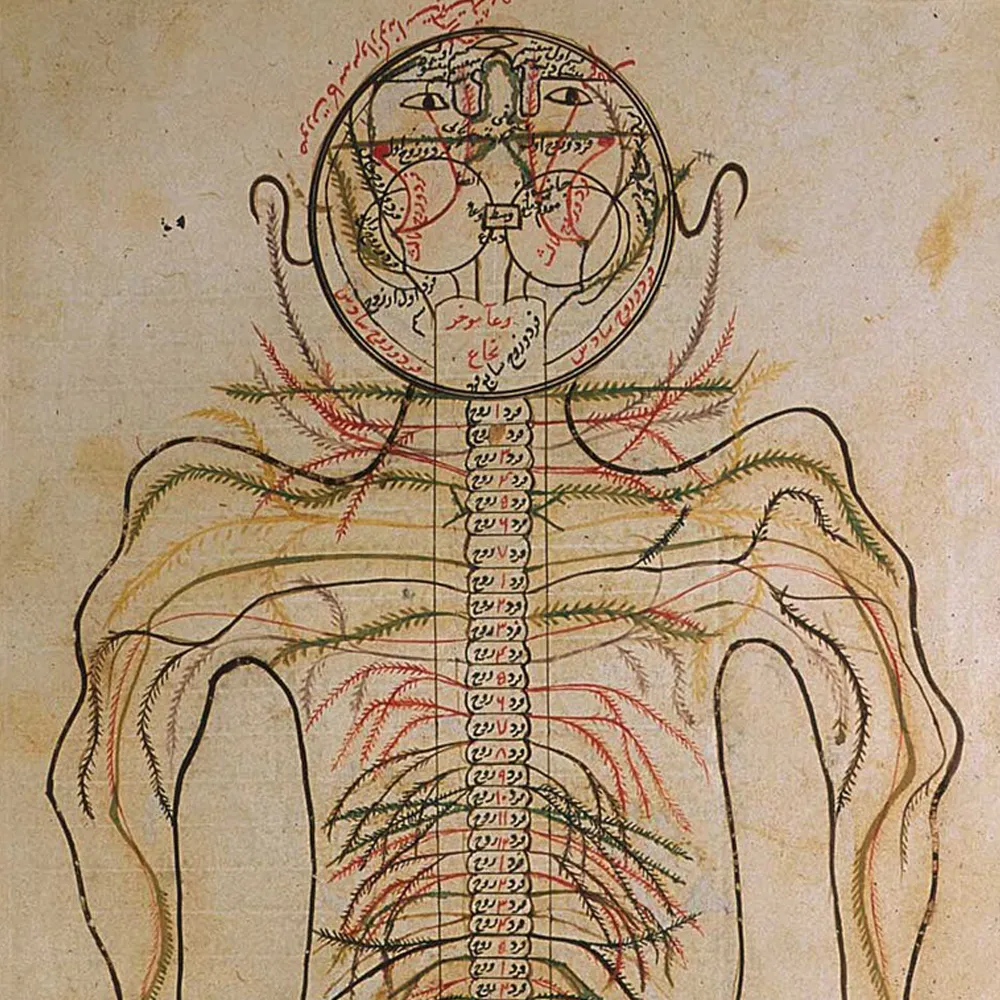
What did the Mongols ever do for us?
The Mongol Empire was more than a force of conquest. Discover how its rulers encouraged trade, scientific knowledge and religious tolerance, creating connections across Asia and Europe that helped shape the modern world.
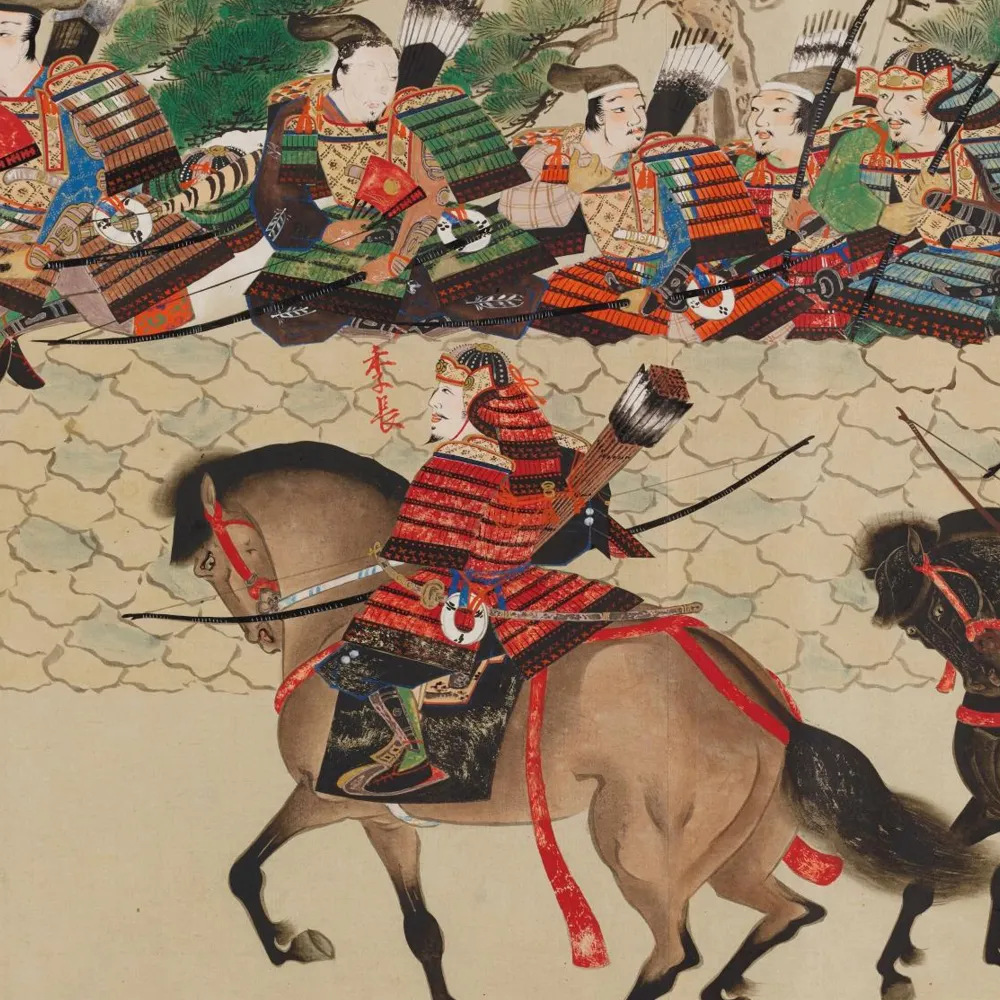
Kamikaze: The Mongol invasions of Japan
Explore the Mongol invasions of Japan in 1274 and 1281. Discover why the world's largest land empire failed to conquer the Japanese islands and how these events shaped Japan's military traditions, politics and national identity for centuries.
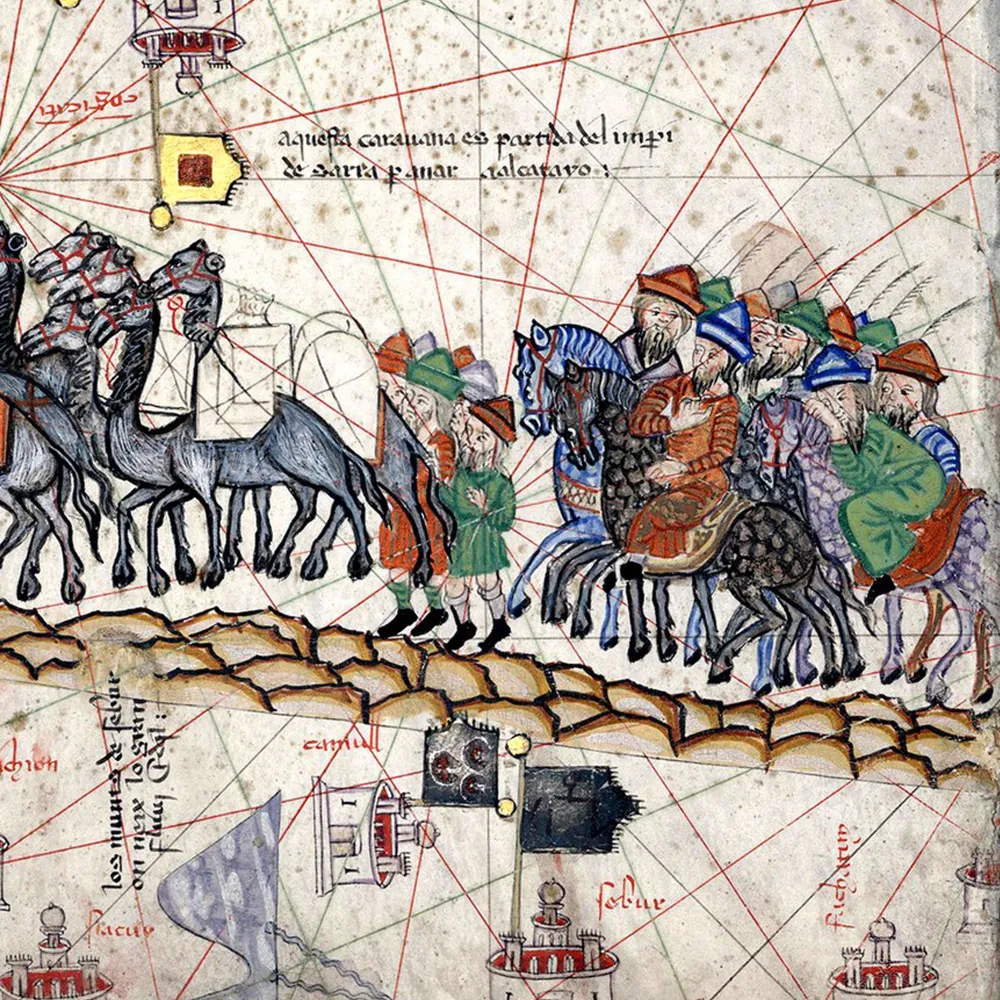
Fall of an Empire
The Mongol Empire reached its greatest extent in the late 13th century, but unity did not last. Discover how rival khanates, political ambition and the Black Death transformed the empire and shaped the future of Eurasia.
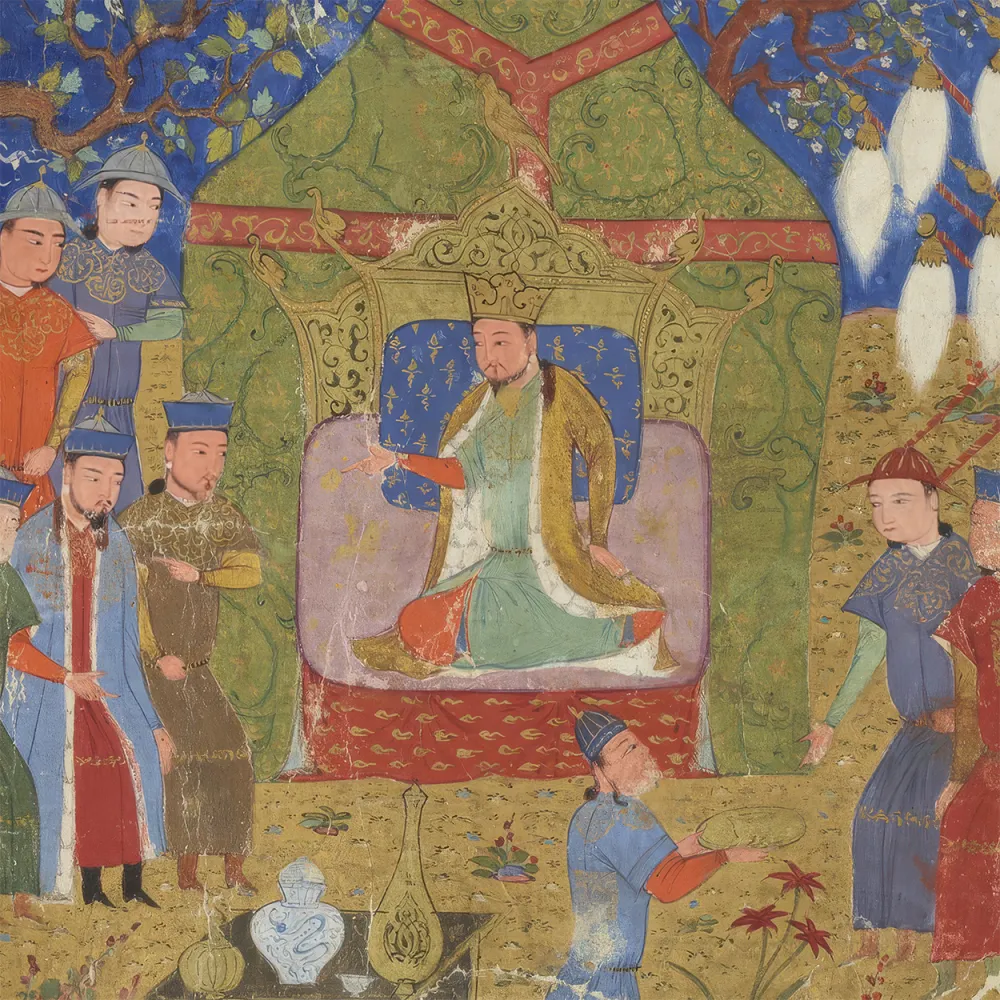
Family Tree
Genghis Khan established a dynasty that changed the world: The Chinggisids. Meet the members of this extraordinary family who inherited Genghis' mandate and built a legacy that dominated Asia for centuries.
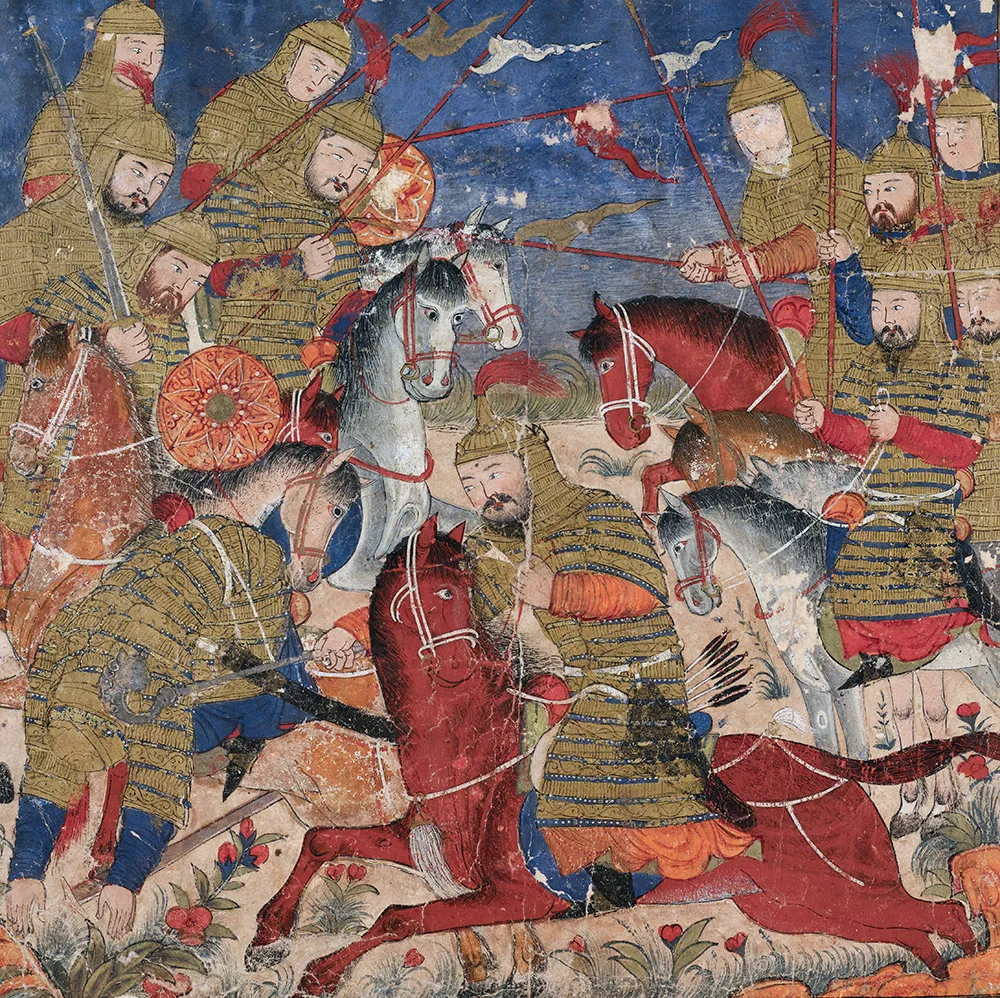
Arms and Armour of the Mongol Empire
The Mongols were renowned for their horse archery, yet they also possessed a wide range of arms and armour suited for life in the saddle. Discover how the Mongols equipped themselves for battle.
When Alan Go’a spoke… to her five sons, she said
You, my five sons, were born from a single womb; you are just like the five arrow shafts. If you are alone one by one, you will be easily broken by anyone like the single arrow shafts. If like the arrow shafts joined together you are joined in accord as one, then how could you be easily broken by anyone?
Secret History of the Mongols, on Alan Go’a, ancestor of Genghis Khan
Discover Genghis Khan and the Mongol World
The international blockbuster exhibition Genghis Khan: How the Mongols Changed the World is now on display at the Royal Armouries Museum until November 2026.
Discover the story of how the unstoppable force of Genghis Khan overcame exile, murder and betrayal to unite his people and rule over an empire that stretched from Europe to China.
For the first time in the UK, see over 250 rare and remarkable objects from Mongolia which will tell the story of how the feared Mongol warriors of the Steppe, masters of horse and bow, forged an empire that expanded postal communications, promoted the use of paper money, and supported religious tolerance across much of Eurasia.
Shop Related Products
-
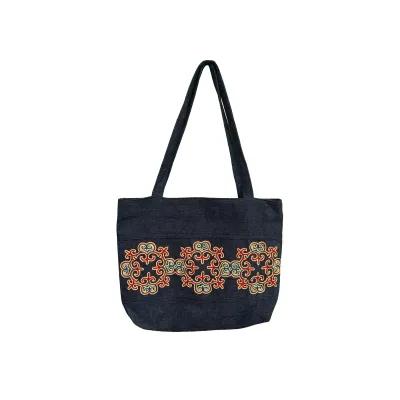
Mongolian Hand Embroidered Tote Bag
-
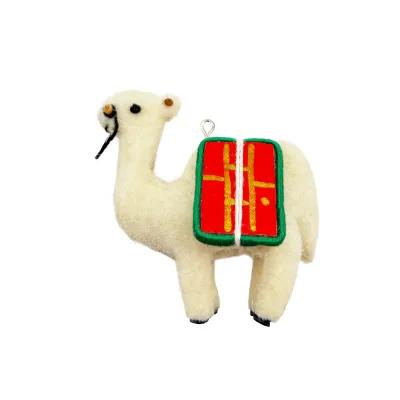
Mongolian Handmade Felt Micro Camel with Box
-
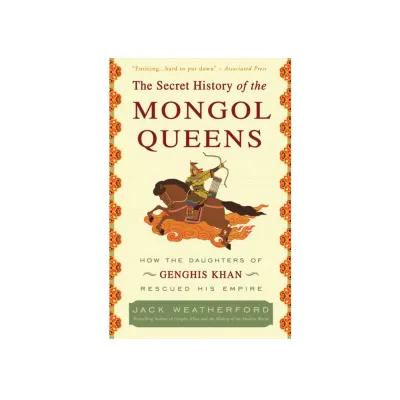
The Secret History of the Mongol Queens
-
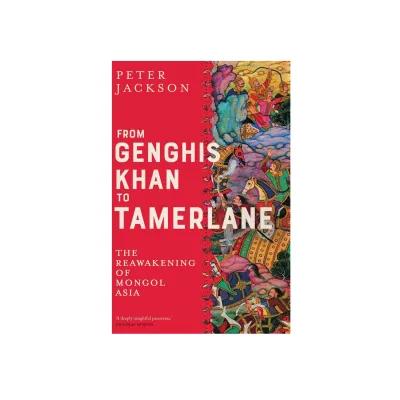
From Genghis Khan to Tamerlane
-
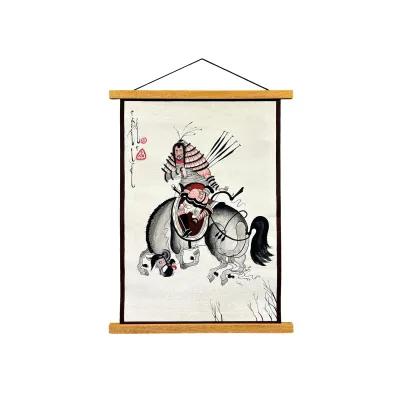
Mongolian Traditional Warrior Painting
-
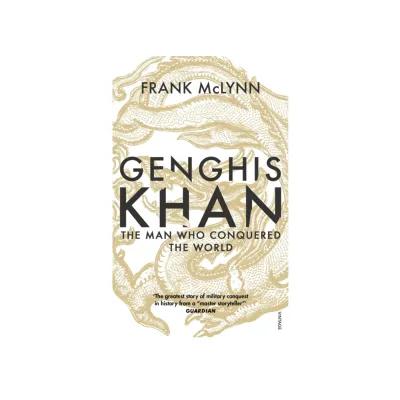
Genghis Khan: The Man Who Conquered the World
-
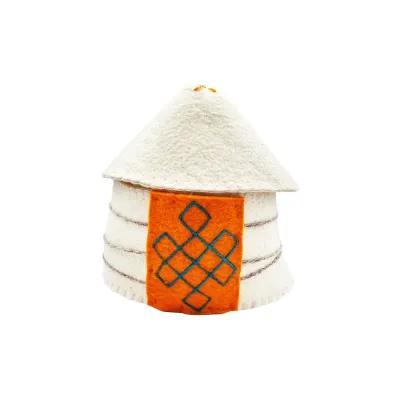
Mongolian Handmade Felt Ger
-
Mongolian Hand Made Micro Saddle
-
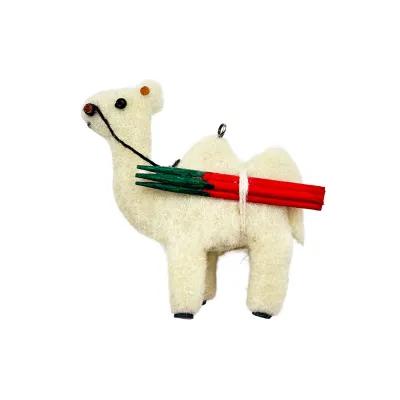
Mongolian Handmade Felt Micro Camel with Poles
-
Mongolian Felt Boot Keyring
-
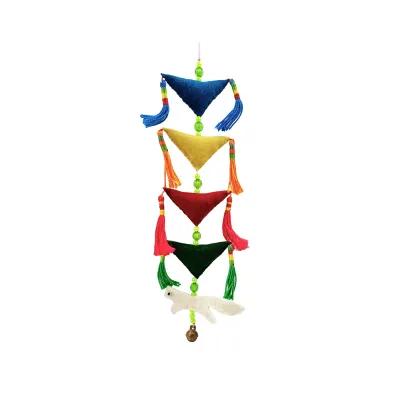
Mongolian Handmade Fox Mobile
-
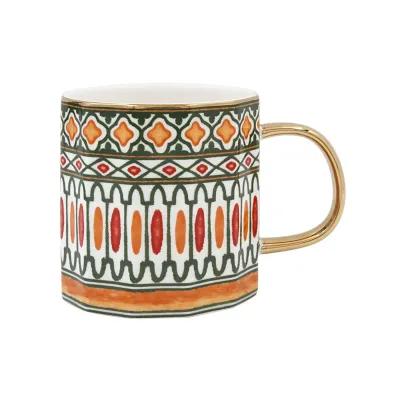
Gold, Green and Orange Abstract Mug
-
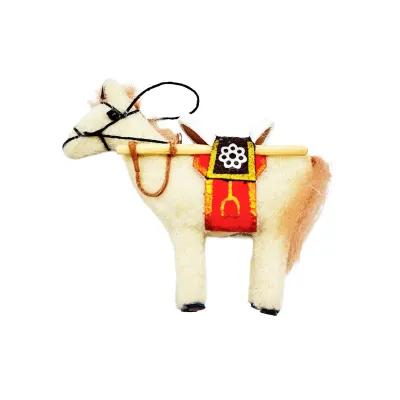
Mongolian Handmade Felt Micro Horse with Poles
-
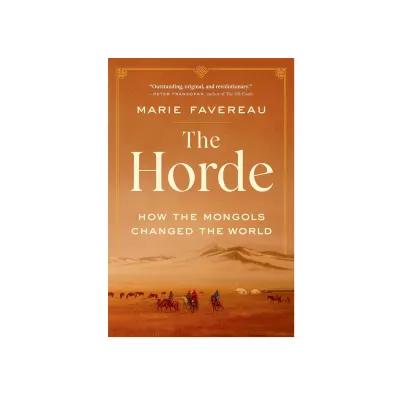
The Horde: How the Mongols Changed the World
-
Empires of the Steppes





Join the conversation