Further Reading
In Little Need of Divine Intervention: Takezaki Suenaga's Scrolls of the Mongol Invasions of Japan - Thomas Conlan
The Mongol Invasions of Japan 1274 and 1281 - Stephen Turnbull
Khubilai Khan: His Life and Times - Morris Rossabi


By the middle of the 13th century, Yuan China stood as the master of east Asia. Led by the grandson of Genghis Khan, Kublai, the Yuan ruled over lands from Korea to Myanmar. Yet not all countries submitted to the Mongols. The failed invasions of Japan in 1274 and 1281 have become foundational myths for the nation of Japan. Not only did they defend Japan from foreign control but they defined how Japan interacted with the world for over 600 years. How did a country on the fringes of the great Mongol empire defy Kublai Khan, the 'Son of Heaven'? And how did the Mongols and Japanese differ in their ways of war?
By the late 13th century, the Mongols were the undisputed masters of Asia. The Mongol khanates had established themselves as the inheritors of the civilisations that preceded them. Nowhere was this more evident than in the Mongolian empire of the Yuan dynasty founded by Kublai Khan, which ruled over China. Despite being the grandson of the nomadic Genghis Khan, Kublai enthusiastically adopted the settled lifestyle of the Chinese emperors before him. Not just in science, culture, and trade, but in diplomacy as well. One such inheritance was the ‘Mandate of Heaven.’
For centuries, Chinese emperors were seen as divine representatives for the gods and shepherds for the people they ruled. Good harvests and political stability were seen as a blessing and a sign of a righteous, divinely approved emperor. This cut both ways, however. Natural disasters and invasion were seen as a withdrawal of that blessing and could lead to the overthrow of an emperor.
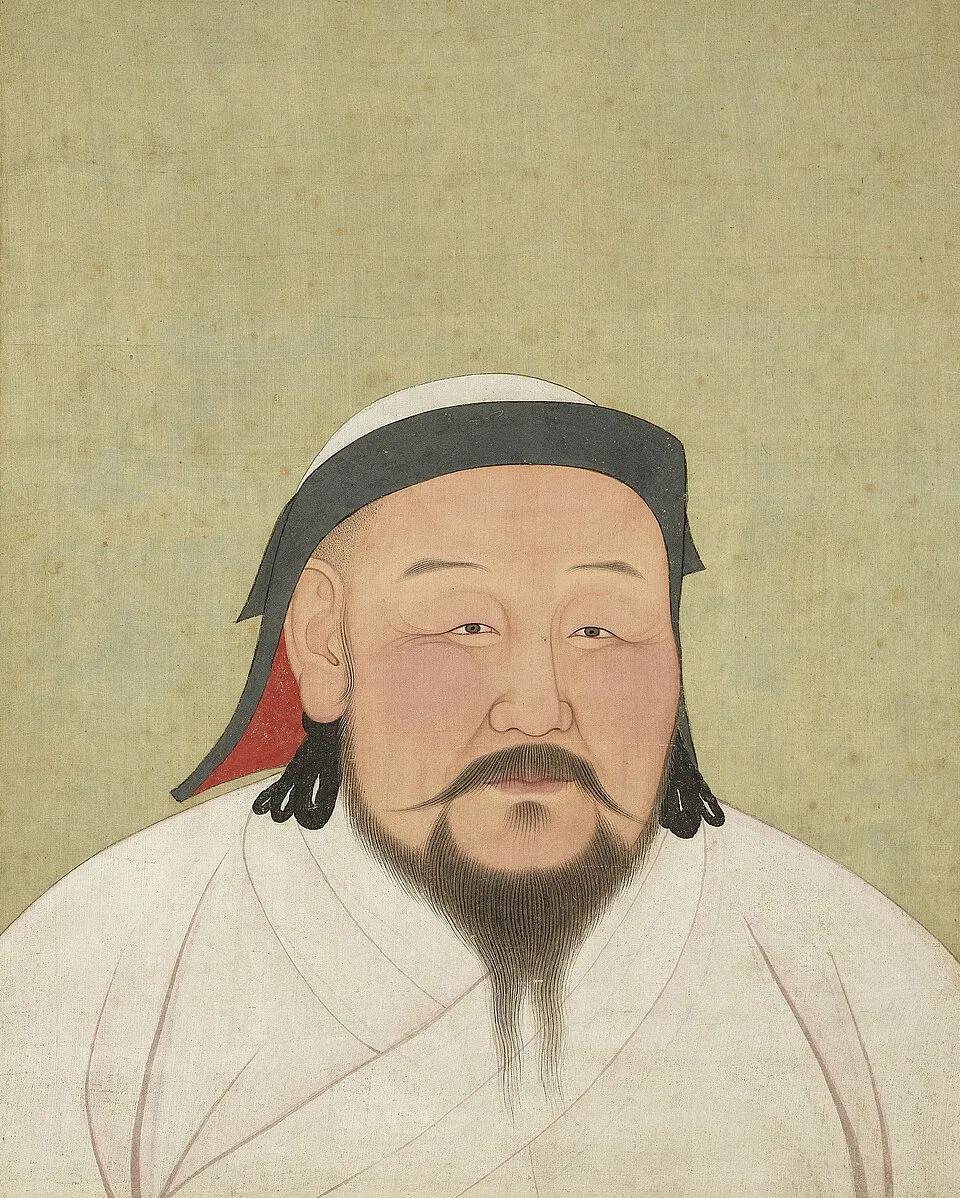
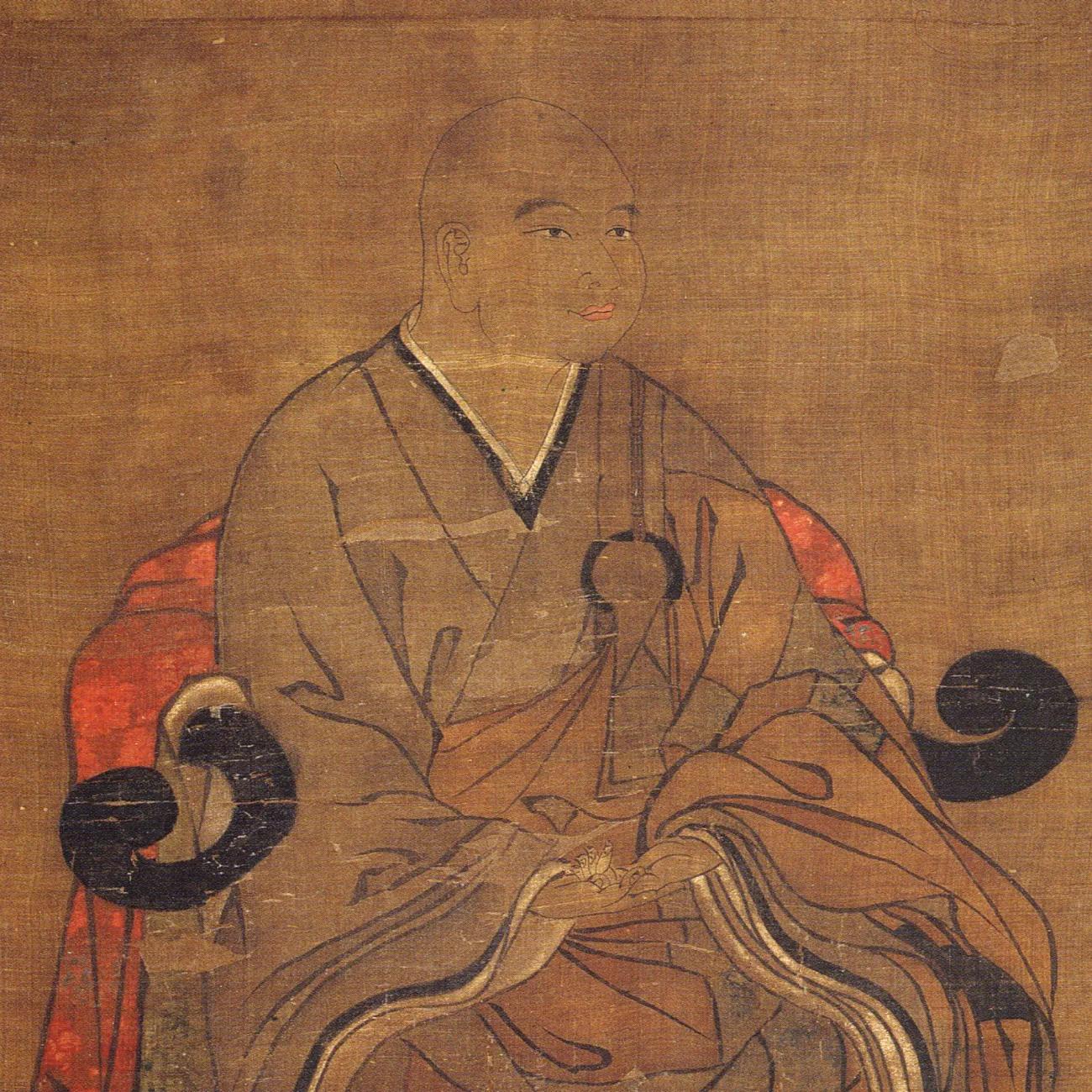
Holding the Mandate of Heaven was likened to a father and his children, or an older brother and his younger siblings. Surrounding kingdoms, such as Goryeo in Korea or Dai Viet in Vietnam were expected to pay homage to the Chinese emperor – their older brother. At least, that is if they wanted to remain in China’s good graces. If neighbouring kingdoms were defeated by the Yuan dynasty, such as Korea in 1259, it was seen as the will of Heaven.
Japan, however, did not recognise the Mandate of Heaven. Even while Kublai Khan waged war on the Southern Song Chinese, Japan, under the military rule of Hojo Tokimune, continued to trade with the Song – an insult and a frustration to Kublai’s ambitions in China. To bring Japan into the Mongolian sphere of influence, Kublai sent a series of envoys to the country between 1266 and 1274. This was initiated with a letter. In it, Kublai called the emperor the “King of Japan,” a term subordinate to the Emperor of China.
The Yuan Mongols asked why Japan had not yet paid homage to the Khan. Everyone else had. Did the Japanese, therefore, want war? The Mongols also informed the Japanese emperor of their recent conquest of Korea. The message was clear. Stop misbehaving, stop trading with the Song, and swear fealty to Kublai. To the Chinese, it was an honourable peace. To the Japanese, it was a call to surrender. The letter was ignored.
Similar Yuan diplomatic missions in 1269 and early 1271 were also ignored, deepening the distrust between the two countries. Japan and Yuan China were now set on a course for war. Kublai Khan began assembling an invasion force of an estimated 15,000 to 26,000 soldiers. The Yuan also made use of the recently subdued Koreans. With their long maritime tradition, Goryeo Korea would provide many of the 900 fighting vessels for the invasion.
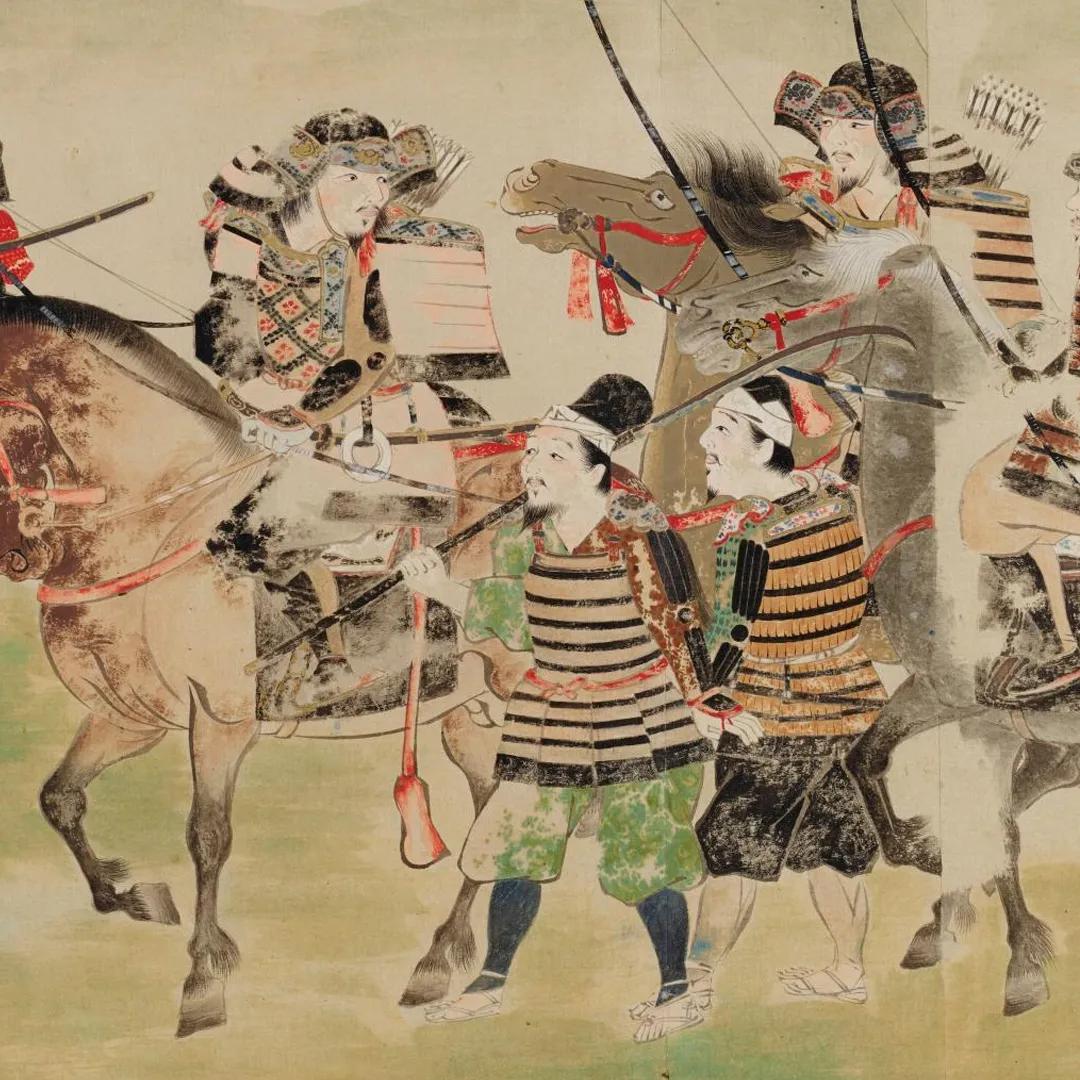
The Japanese were not idle either. Samurai warriors across Japan were placed under the orders of shugo, or local commanders. The intention was that when the Mongols were on their way, the samurai would report, along with their retainers, to their shugo for orders. The number of these samurai and their retainers is unknown but modern estimates have suggested approximately 2,000 to 6,000 men.
According to the Yuan Shi, the history of the Yuan dynasty, the great Mongol fleet left Korea in the autumn of 1274. Their first target was the island of Tsushima. On the morning of 5th November, the fleet landed at Sasuura and was immediately attacked by the Japanese. The samurai, according to the So Shi Kafu, a history of the So clan who governed Tsushima, fought valiantly and even killed a Mongol general. Unfortunately for the Japanese, their numbers were too few to repel the invaders. The samurai were utterly crushed and the Mongols moved south to the island of Iki. Here too the Japanese were overwhelmed.
With their supply lines back to Korea secure, the Mongol fleet moved onto Kyushu, Japan’s southern-most home island. On 19th November 1274, the main Mongol invasion made landfall in Hakata Bay. This time, the samurai were better prepared. Aware of the devastation of Tsushima and Iki, the shugo ordered their samurai to assemble at Hakata and resist the invasion.
The difference between the Japanese and the Mongols was not just numerical. The Japanese style of warfare emphasised individual courage and ritual. Battles would begin with a whistling arrow loosed high into the air to gain the attention of the gods. Rather than large unit tactics, samurai would form small bands to engage the enemy. Personal honour and glory, rather than victory, was the name of the game.
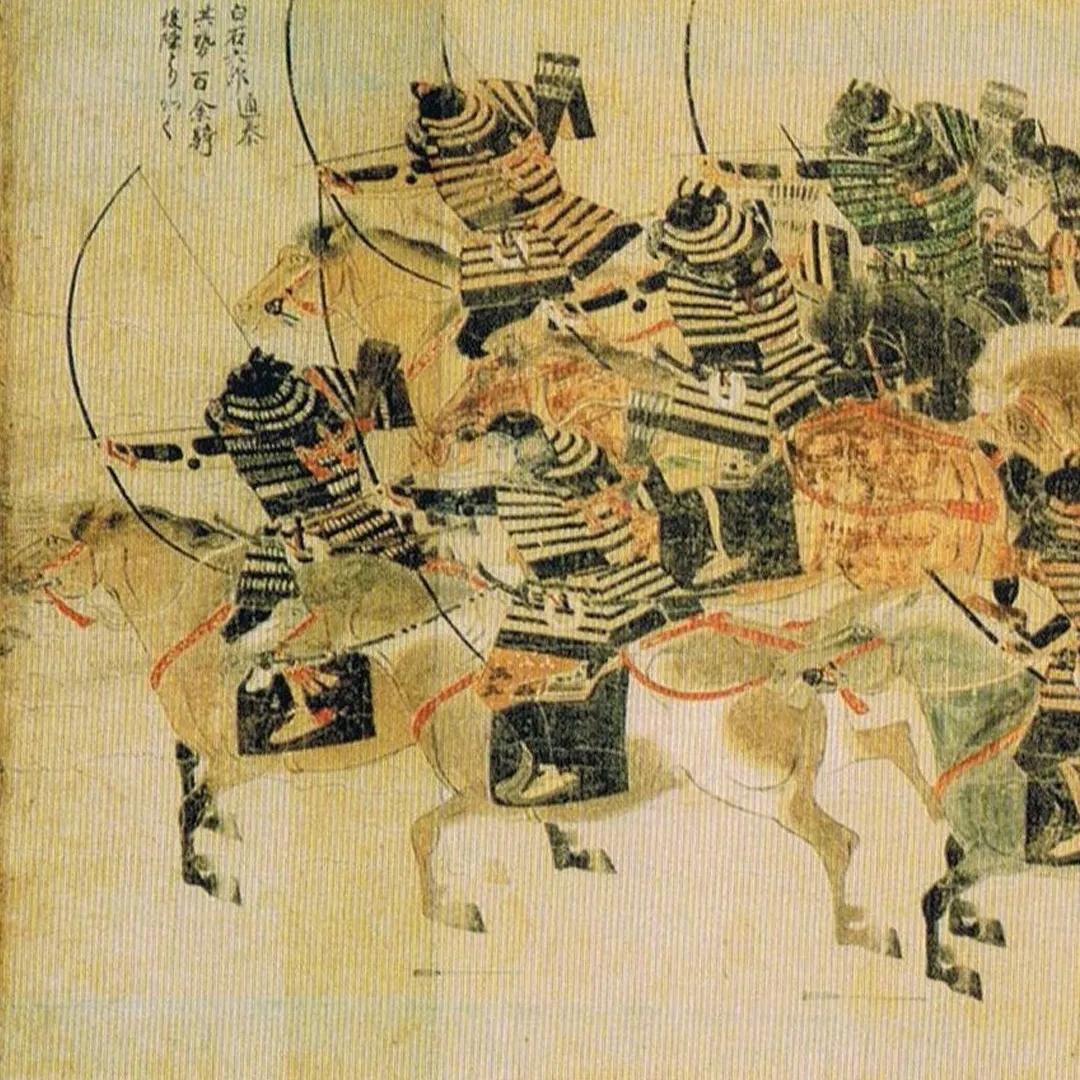
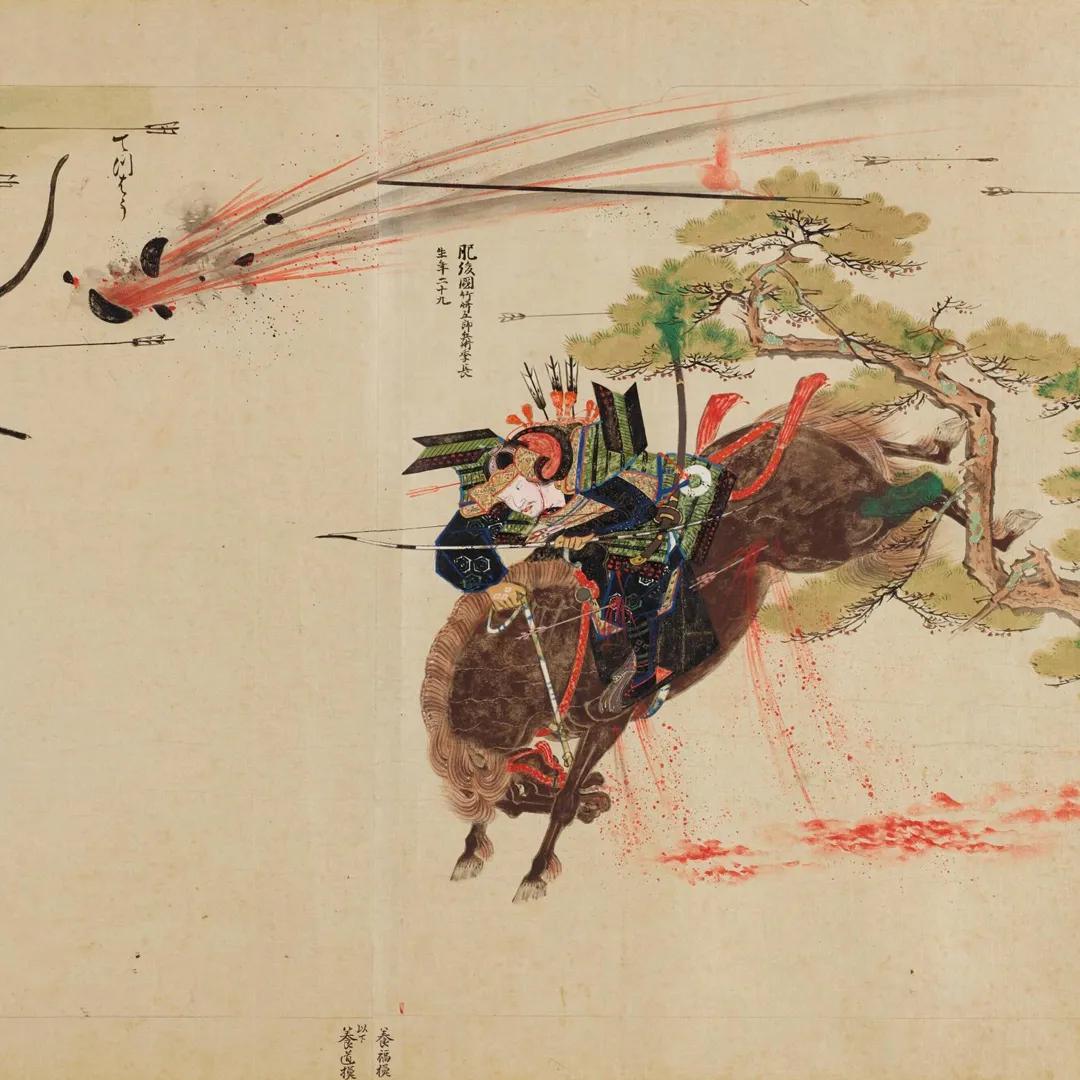
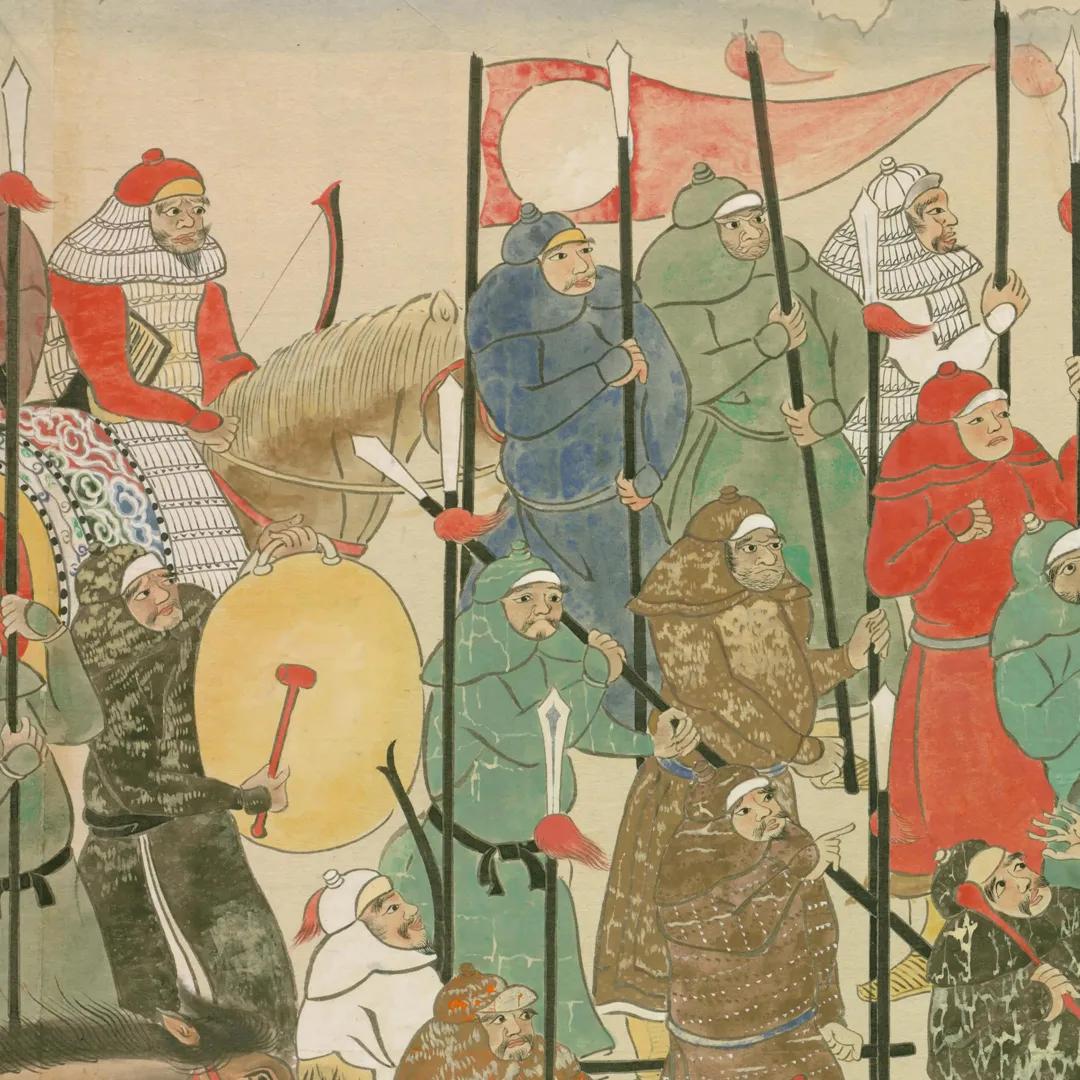
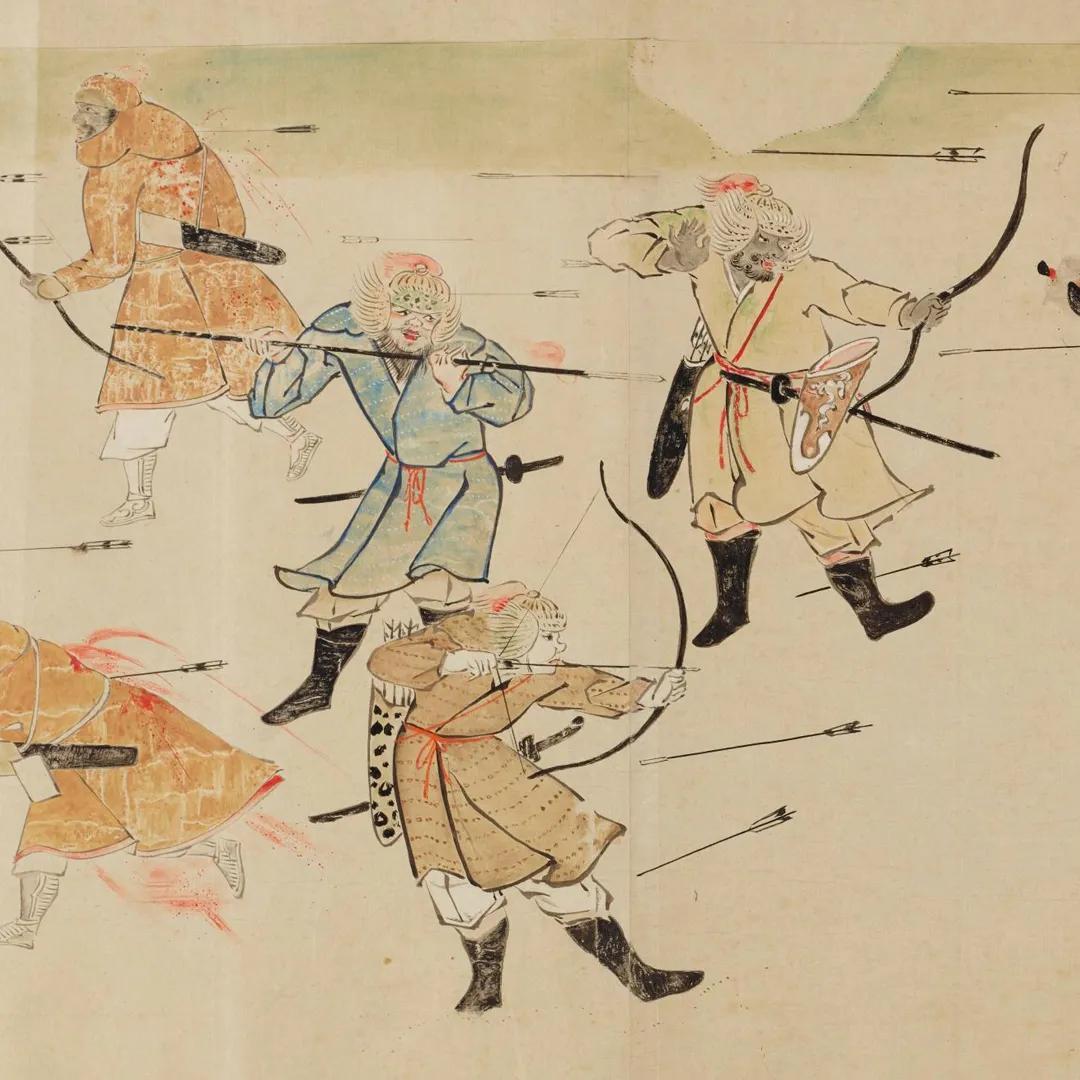
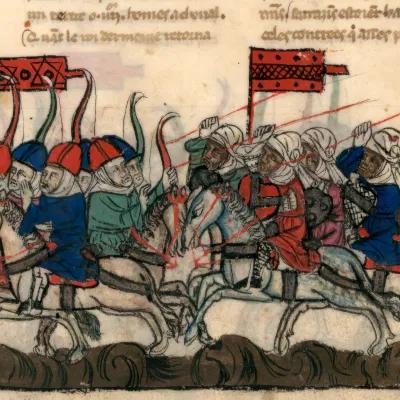
The Mongols, by contrast, were not constrained by such formalities. The Japanese account Hachiman Gudokun explains how when the signal arrow was fired to commence the battle in Hakata Bay, the Mongols burst out laughing. When they advanced, the Mongols did so as a whole. This made it difficult for small bands of samurai to effectively break through their lines. The Mongols also brought with them the technology of their empire. The Hachiman Godukun and pictographic evidence of the battle point to the use of paper and iron bombs filled with shrapnel and gunpowder. According to the Hachiman Gudokun,
“Ten thousand men in all were prepared with their arrows and fired them so that they fell like rain, Halberds and long-shafted weapons were carried with no empty space between them... when they had to pull back, he beat the drum of retreat. When they were to advance, he struck the attack gong. Thus did they conduct themselves.”
Japanese courage was in no short supply but of little use against an organised onslaught. The weight of the Mongol attack forced the defenders further inland from the bay. The administrative centre of Kyushu, Dazaifu, was at risk and the Japanese prepared to make a stand at Mizuki – a large two-tiered earthwork castle blocking the Mongol advance. At dusk on 19th November 1274, the Mongols assaulted Mizuki. The Japanese, badly bloodied and exhausted from a day of fighting, were looking at another defeat like Tsushima or Iki. That was until the Mongols suddenly retreated.
Academics are unsure as to exactly why the Mongols left when victory seemed so certain. One account mentions how a samurai spotted a prominent Mongol general, Liu Fuxiang, and severely injured him in the face with an arrow. This caused him to withdraw his forces from Mizuki and other generals followed suit. Another cause may have been that the Mongol generals could not agree on the next course of action. Some advocated for a renewed assault. Others advised caution, wishing instead to rest the troops. Regardless of the reasons, the Mongols retreated to their ships in Hakata Bay and sailed for Korea. The Yuan Shi notes that on their return journey, the fleet encountered;
“...a great storm and our fighting craft were dashed against the rocks and destroyed in great numbers.”
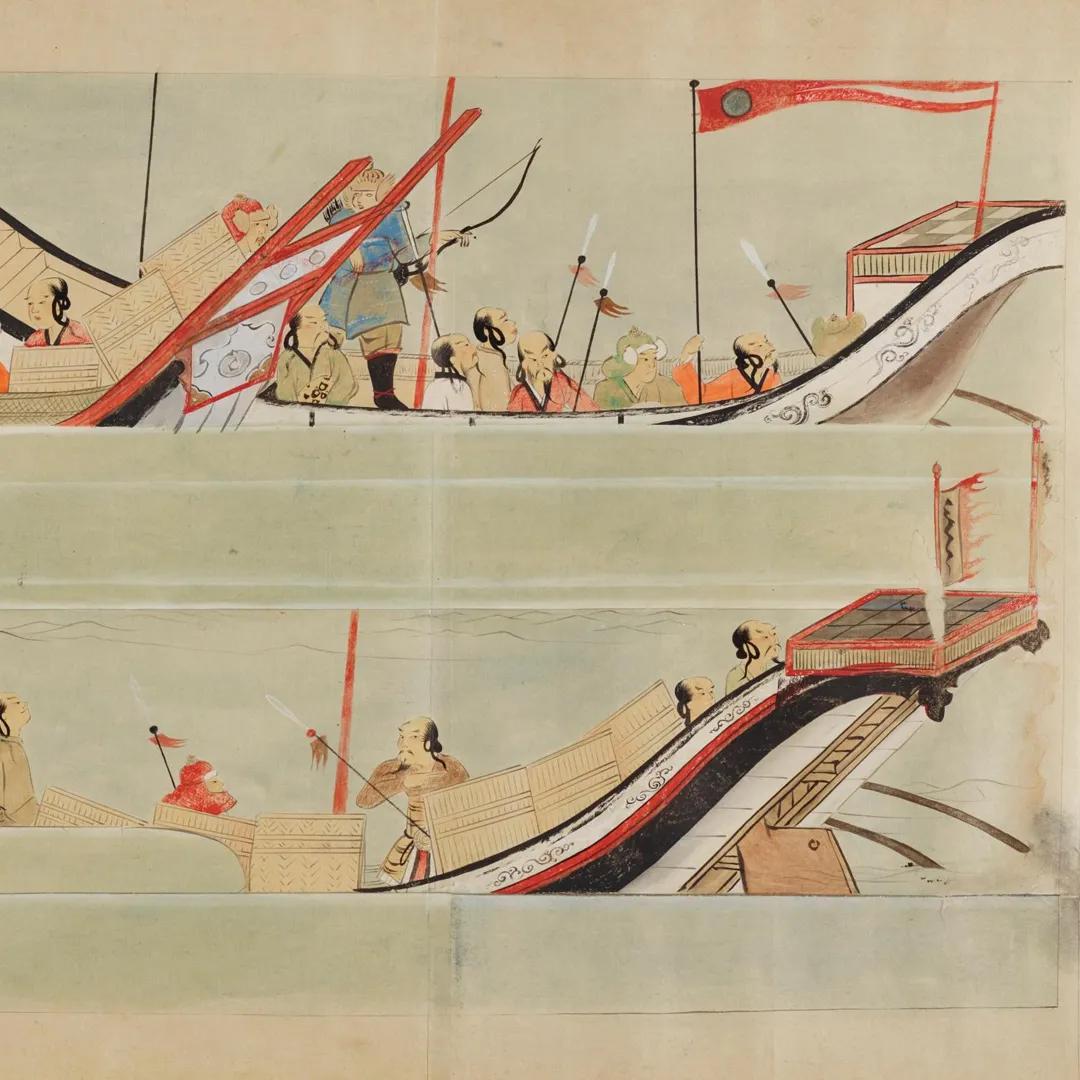
It was suggested by contemporary reports that as many as one third of the Mongol invasion army was lost in the assault on Japan. It is not known how many of these fell in battle or into the sea, but it is a high toll for a single day spent on the Japanese mainland. High enough for the Mongols to return in force 7 years later.
For Kublai Khan, Japan was only a secondary theatre to his real objective – overthrowing the Song Chinese. Despite the retreat, Kublai was not about to give up on bringing Japan into the empire. Yet with most of military resources tied up in fighting the Song, he would have to return to diplomacy to achieve his aims. Between 1275 and 1281, the Mongols sent two diplomatic expeditions to Japan to, politely but firmly, demand their submission. Both times, the envoys were executed. Another war loomed.
The Mongol Yuan dynasty finally defeated the Song in 1279, and Kublai wasted no time in preparing for a second invasion of Japan. An estimated 140,000 soldiers were mustered for the invasion. These would be divided into two groups: a combined Mongol and Korean ‘Northern Fleet’ of 40,000 men set to depart from Korea and an army of 100,000 soldiers to leave from south China.
In May 1281, the Northern Fleet set sail, landing first in Tsushima and Iki. As in 1274, both islands were quickly subdued. So far, so good. Yet here the Northern Fleet made an inexplicable move. Their orders were to wait at Iki for the main army to arrive from China and then invade en masse. In June 1281, their impatience got the better of them and they sailed for Kyushu, hoping for another quick victory.
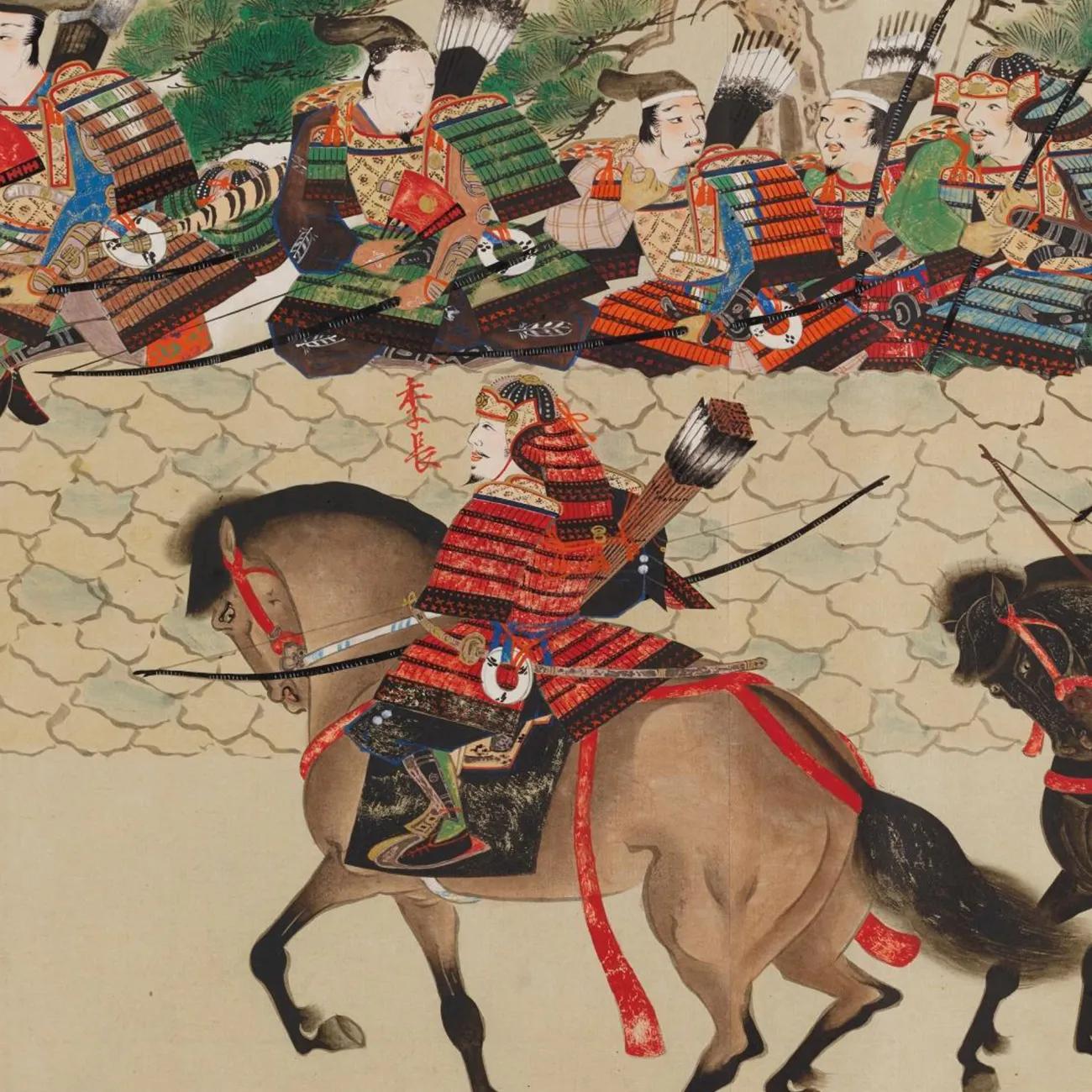
The Japanese had not been idle either in the intervening years. Realising the vulnerability of Hakata, Japanese authorities constructed a defensive wall at strategic points across the bay. From these defensive positions, small bands of samurai could effectively defend or delay a Mongol landing. In addition to this, the Japanese had enhanced their military, recruiting samurai from across Kyushu and wider Japan for the defence of the coast.
This defensive effort was expensive, but worthwhile. When the Mongols and their Korean subjects landed at Hakata Bay, they struggled to gain a foothold. Archers from on top of the wall were able to rain arrows on any Mongol who made it ashore. The undefended islands of Shiga and Noko in the bay were seized, but there was no push inland as there was in 1274. The Northern Fleet was forced to retreat to their ships anchored off Hakata and plan their next move. All the Japanese needed to do was to remain onshore - something they resolutely refused to do.
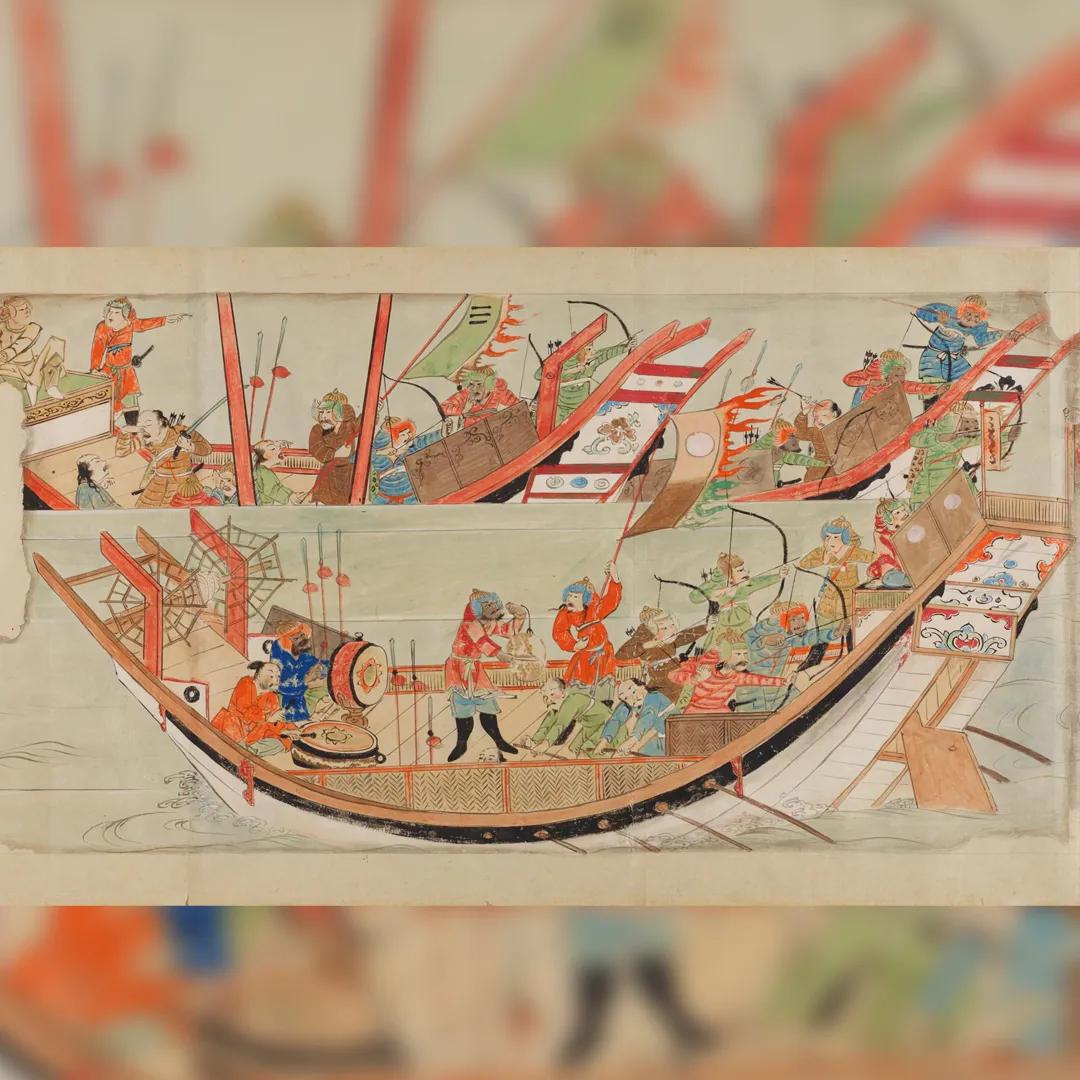
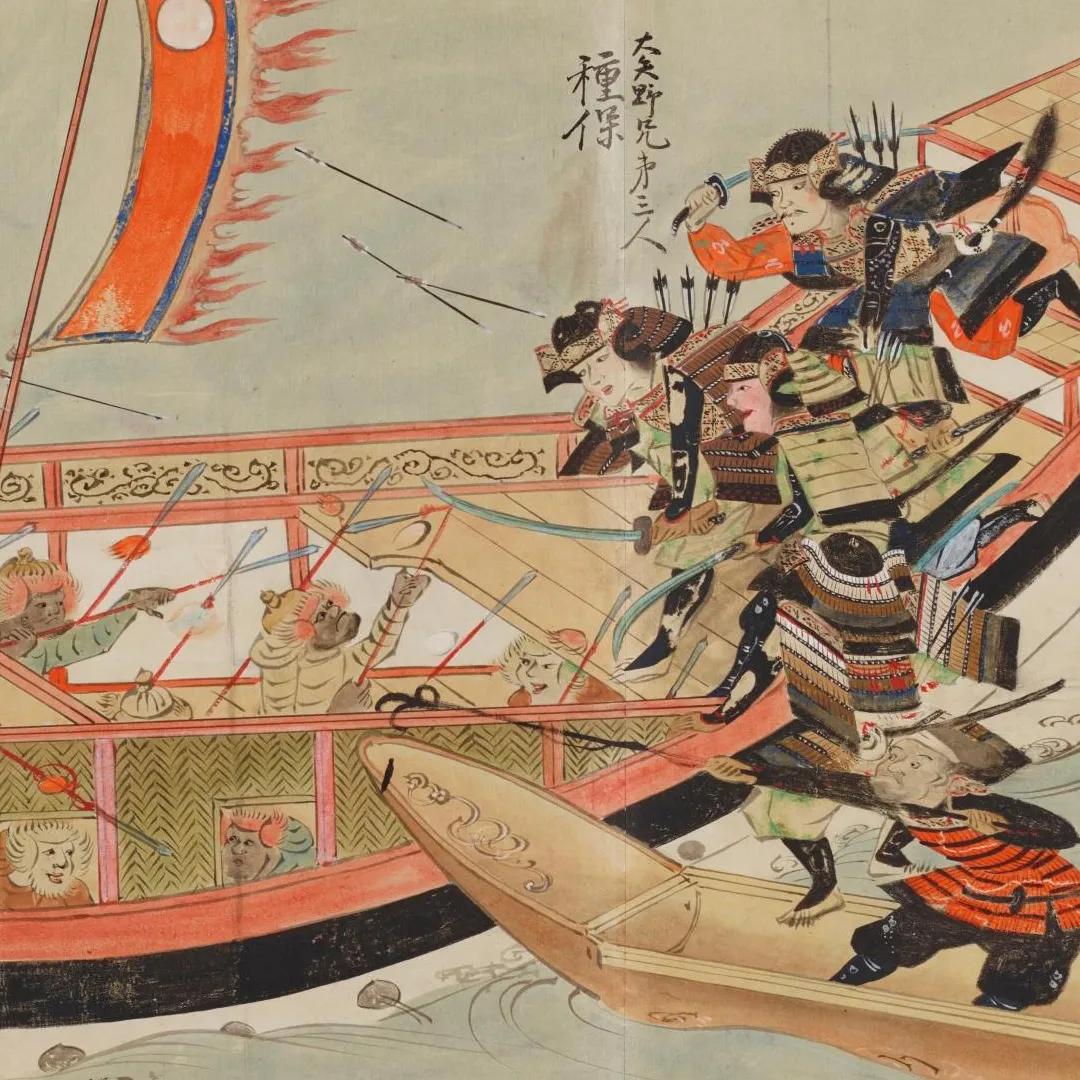
Instead of allowing the Mongols to lick their wounds at sea, the Japanese used a fleet of small boats to ferry boarding parties of samurai to the docked ships. Contemporary sources, such as the Scrolls of the Mongol Invasion give vivid accounts of samurai rowing through Mongol arrows before boarding. The Mongol fleet, we are told through the Hachiman Gudokun, also used “stone bows” or larger siege crossbows to fend off attacks.
The impact of these attacks is not recorded. However, between an outbreak of disease and incessant Japanese attacks, the Mongols may have decided that staying in Hakata Bay was more trouble than it was worth. The Northern Fleet returned to Iki by late June to await reinforcements from the main army. It was just over a month before they would return in full force. By the 12th August, the combined Mongol fleets returned to Kyushu, anchoring just off the island of Takashima. It is believed that to prevent a repeat of the fiasco in Hakata Bay, the Mongol fleet tied themselves together. On the off chance the Japanese tried to attack in their fleet of small boats again, each ship could readily reinforce one another.
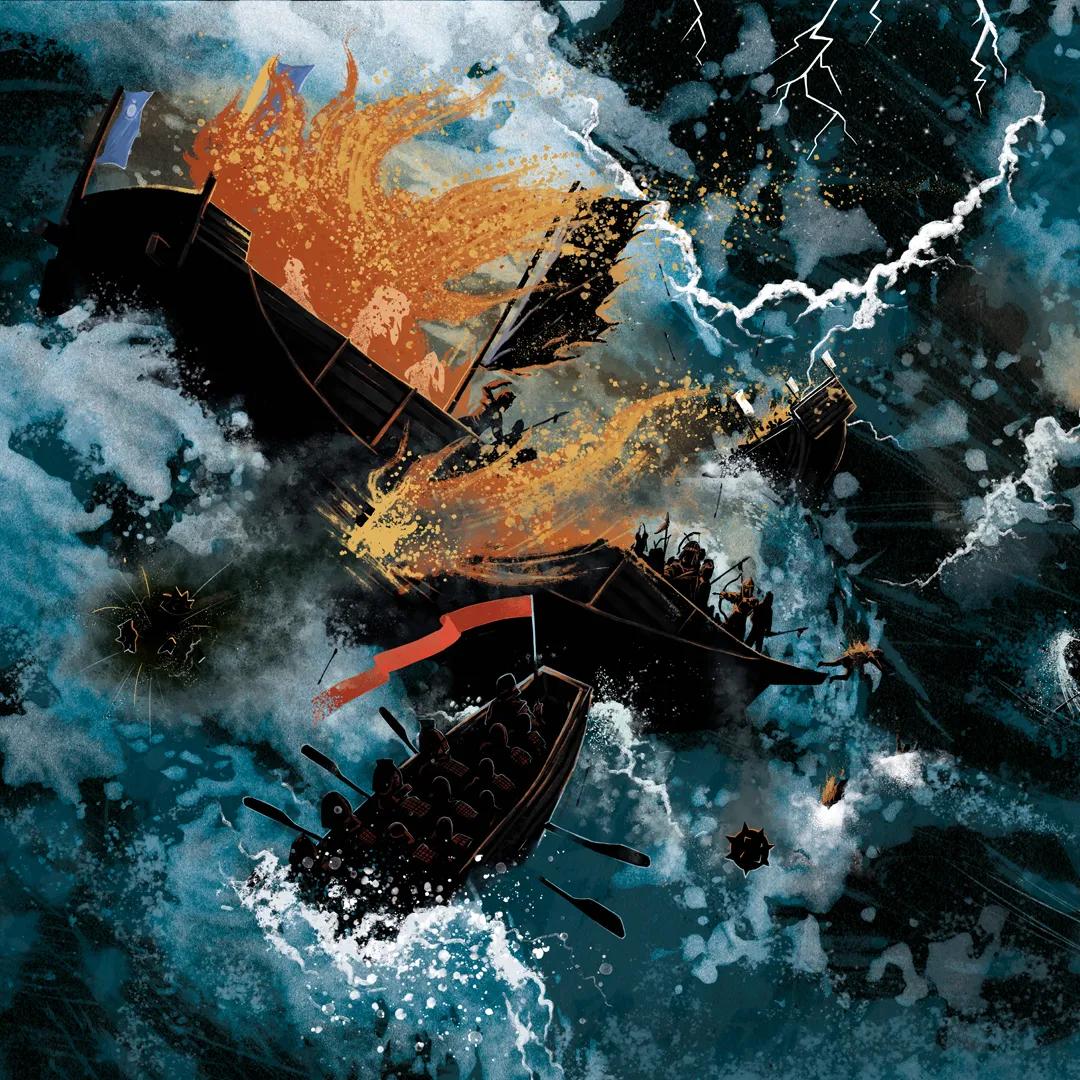
This tactic proved to be a double-edged sword. On the one hand, repeated attempts by the Japanese to board and burn the Mongol fleet were beaten back. The Mongols had the numbers and the ability to reinforce one another. Yet a fleet bound together was also at the mercy of the elements. This was to be devastating for Kublai Khan’s ambition. Soon after the initial battle around Takashima, a typhoon blew through the Kyushu region of Japan. This storm decimated the Mongol fleet. Ships were sunk or dashed against the rocks. Some captains had the presence of mind to cut their anchor cables and left themselves to the whims of the typhoon. Others were not so lucky.
What was left of the invasion force fled back to China. According to one account, more than 100,000 men were left behind, either drowned in the Sea of Japan or washed ashore. Those Mongols and Koreans unfortunate enough to find themselves in Kyushu were hunted down by the Japanese. With the fleet scattered or sunk, the Yuan dynasty’s dreams of Japanese conquest were over.
For the Japanese, the typhoon was heaven sent – deliverance from defeat. It was interpreted as a sign that Japan had divine protection, calling the typhoon “Kamikaze,” or ‘Divine Wind.’ What Mongol ships and men remained were either captured or destroyed. Despite Japanese fears of a third invasion, the Mongols never again launched an attack on mainland Japan. The attempted invasion of Japan, although a defeat for the Mongols, changed Japan forever.
Firstly, it strengthened the Shogunate. Since the 12th century, political life in Japan had been shared by two people – the Emperor and the Shogun. While the Shogunate was the real power in Japan, the Emperor retained enough privilege to wield considerable influence. In the aftermath of the Mongol invasions, the Shogunate used the threat of foreign attack to accumulate more power and influence in the country. The Shoguns would remain the pre-eminent power in Japan for the next 6 centuries.
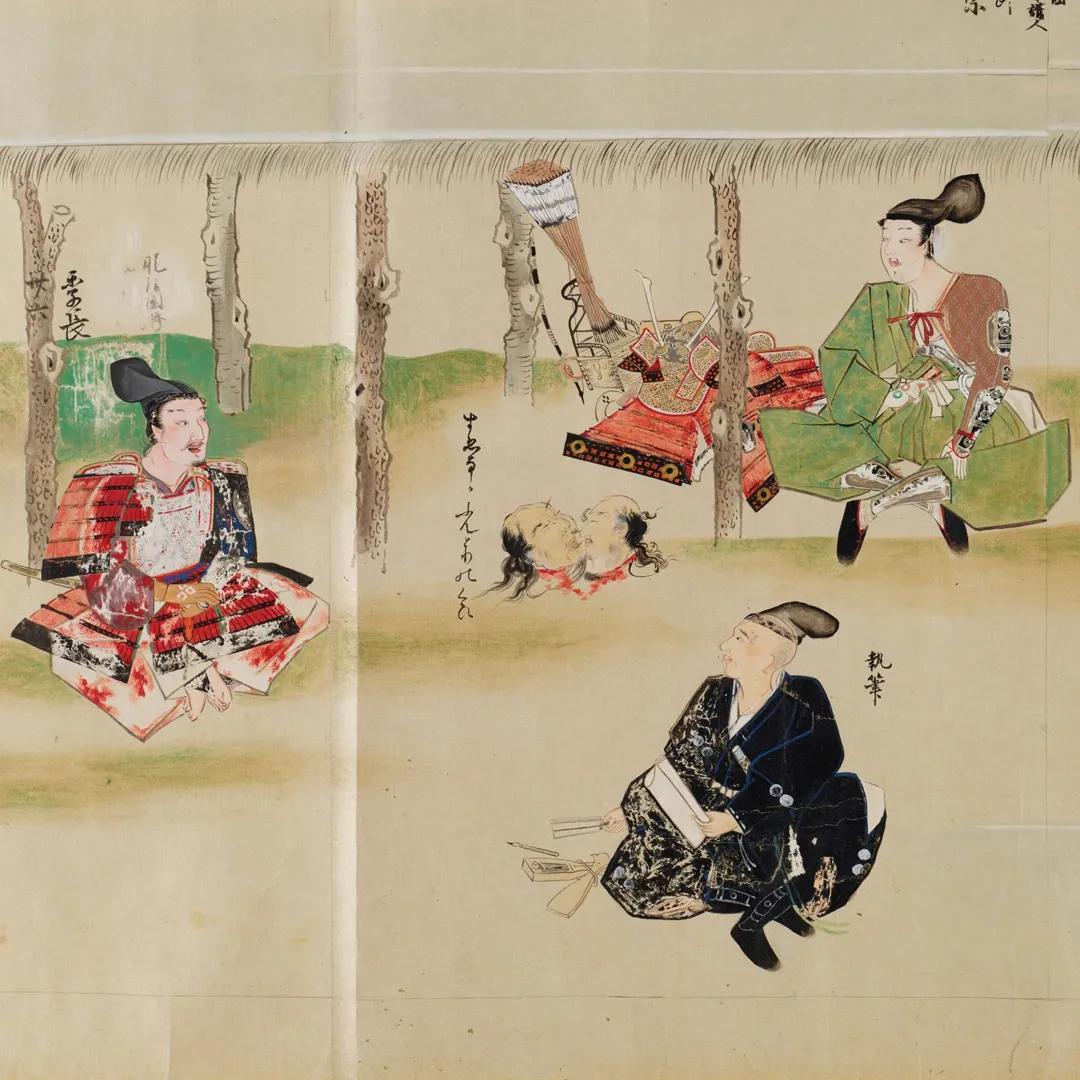
Secondly, the failure of the invasion and the ‘divine wind’ was mythologised. The victory was turned into a fable that emphasised isolationism and distrust of the Continent, especially Korea and China. Japanese pirate raids on Korea increased over the following century, destabilising the ruling Goryeo dynasty. In 1592, Japan in turn invaded the Korean peninsula, starting nearly 4 centuries of Japanese imperial expansion into Asia.
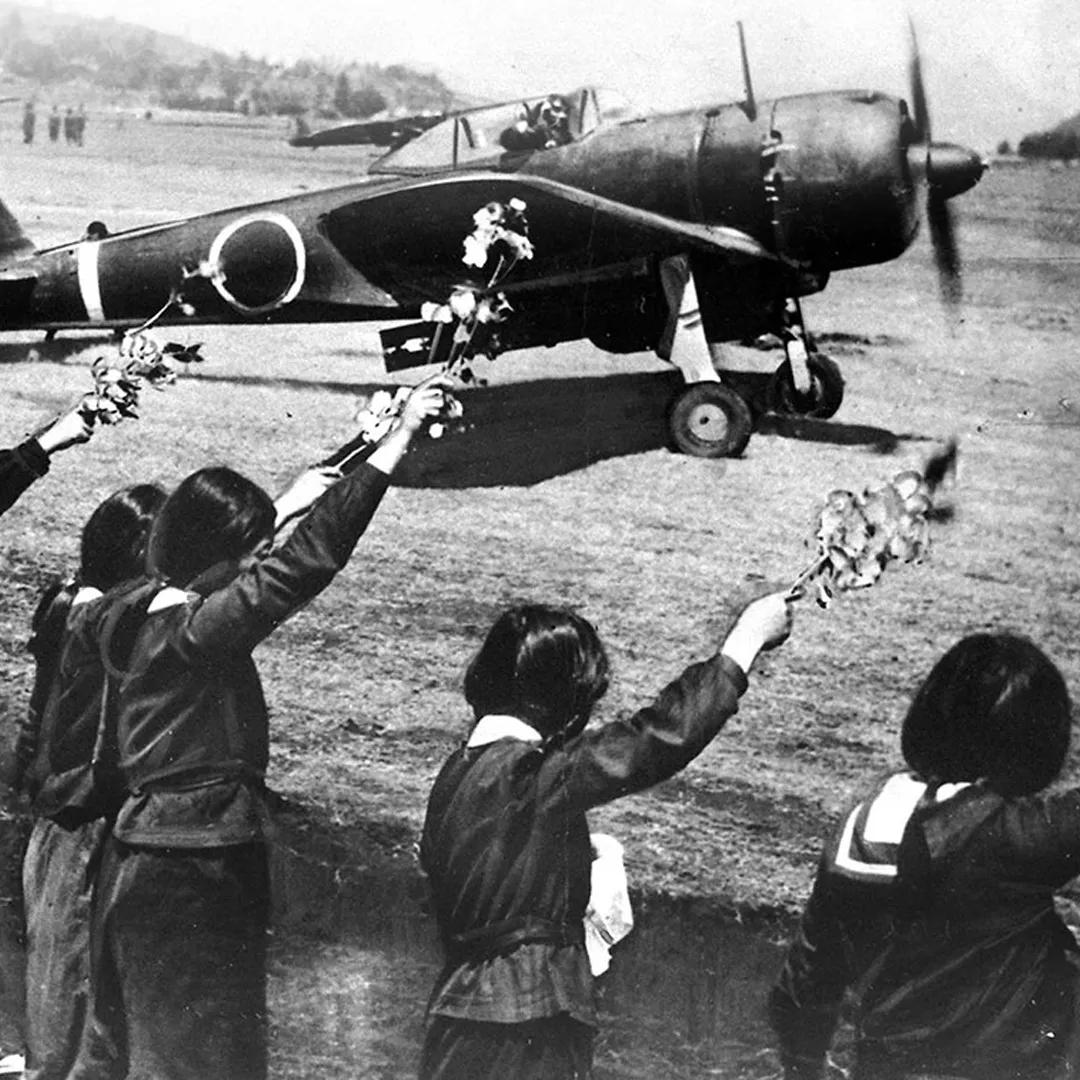
This atmosphere of isolation and fear was resurrected in the 20th century when Japan experienced a rapid rise in nationalism. The belief in heavenly protection and superiority in the face of foreign threats fuelled Japanese fervour in the 1930s and 1940s. It was part of one of the last, desperate weapons of the Japanese when faced with the threat of an impending Allied invasion of the Home Islands. Pilots diving planes into Allied ships were named ‘kamikaze’ - the divine wind that protected Japan against the great Mongol Empire.
In Little Need of Divine Intervention: Takezaki Suenaga's Scrolls of the Mongol Invasions of Japan - Thomas Conlan
The Mongol Invasions of Japan 1274 and 1281 - Stephen Turnbull
Khubilai Khan: His Life and Times - Morris Rossabi






Join the conversation