5 minute read
- The Mongols


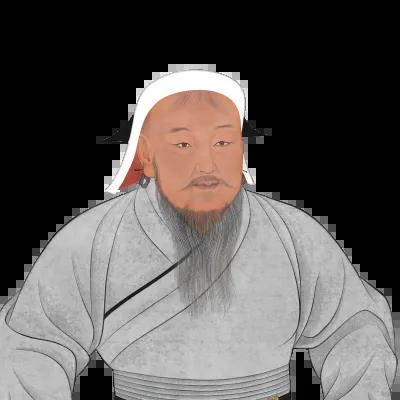
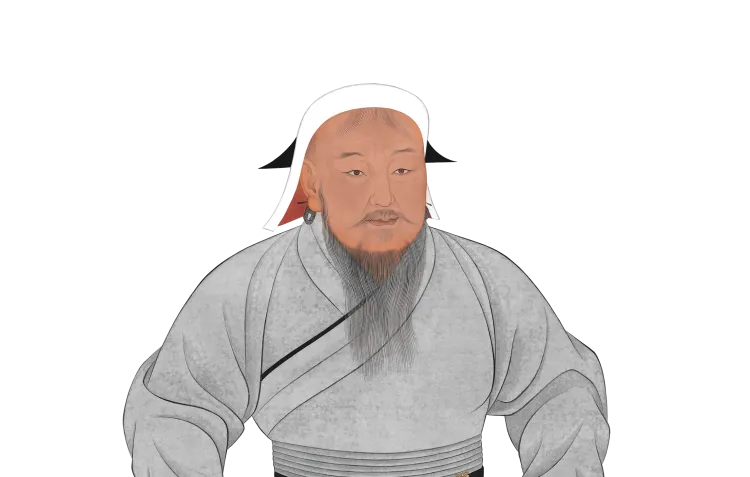
By the middle of the 12th century CE, it was difficult to see how the people of the Mongolian plateau could ever rise to challenge the world. Their nomadic ways were looked down on by their sedentary neighbours, who encouraged discord between the rival clans. Yet in the 1160s, a boy was born who would unite the plateau and found a dynasty that seemed destined to conquer the world. Genghis Khan – the Fierce Ruler. Explore how through war, trade, and cunning, one family built one of the greatest empires the world has ever known.





In the 12th century, the Mongols were divided into numerous tribes and clans living across the Mongolian Plateau, north of China. The region's cold, dry climate and wide grasslands favoured herding rather than farming, so families moved seasonally with their horses, sheep, cattle and goats in search of fresh pasture. Competition over grazing land and alliances between clans shaped the world into which Temüjin—later known as Genghis Khan—was born.

Over time, these clans formed an intricate web of alliances and rivalries based on inter-marriage, blood feuds, and honour. Armed raids on enemy tribes were commonplace, with slaves, horses, and women stolen from one another. It was into this world of complex plateau politics that Temujin of the Mongol Borjigin lineage was born in the 1160s.

Temujin was a gifted diplomat, leader, and military commander. His success on the battlefield earned him the alliance and friendship of many Mongol clan leaders. He then used these alliances to dominate other, weaker neighbours. One by one, each clan fell in line.
By 1206, when Temujin was in his 40s, the Mongols proclaimed him Chinggis Khan – mistranslated in English as Genghis Khan. Power was now concentrated in one man, and for the first time, the Mongols were united into one ethnic identity.
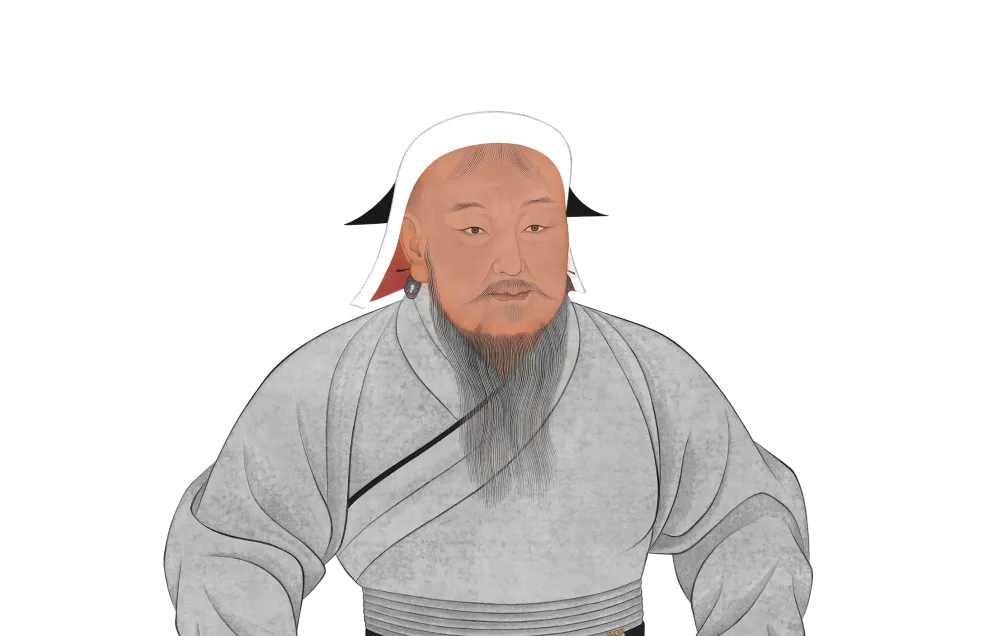
Throughout the 12th century, Mongolia’s neighbours – The Tangut, the Jin Empire, and the Qara Khitai – had maintained alliances with different Mongol clans. This was to maintain a balance of power on the plateau and prevent raids into their territory. Now united under his rule, Genghis Khan sought to stabilise his rule by establishing dominance over these neighbouring powers.
Using the shelter of rebels as a pretext, the Mongols formally invaded the Tangut in 1209, the Jin Empire in 1211, and Qara Khitai lands in 1218. Within 9 years, Genghis had either incorporated these territories or forced them into humiliating peace treaties. This not only secured Genghis Khan’s rule over the Mongols but brought riches from trade routes along the Silk Road.

With the pacification of northern China, Genghis Khan set out to establish trade relations with the powerful Khwarezmian Empire in present-day Central Asia, Iran and Afghanistan. A Mongol delegation sent to the Sultan Ala al-Din Muhammad was massacred by the governor of the city of Otrar. Genghis Khan demanded the head of the governor, but Muhammad refused.
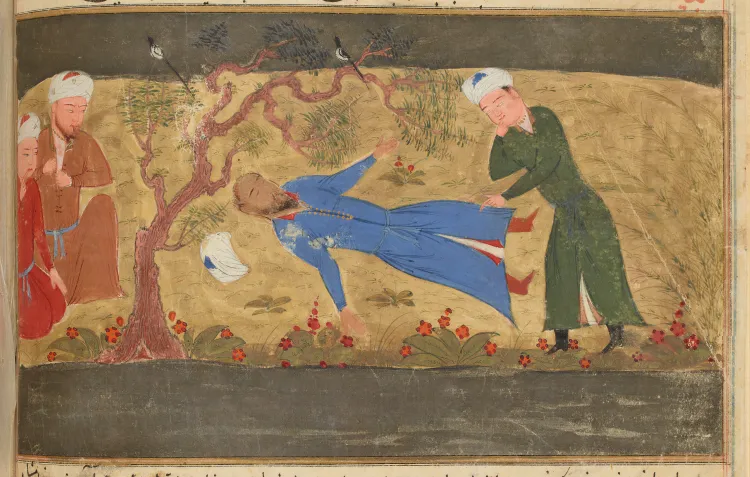
In 1219-20, the Mongols invaded Khwarezmian territory, conquering the great cities of Samarqand, Bukhara, Otrar and the capital Urgench in present day Turkmenistan. Muhammad died while on the run in 1221, but his son Jalal-e Din continued to fight until 1231. This came too late for Genghis Khan, however, who died while on campaign against the Tangut in 1227.
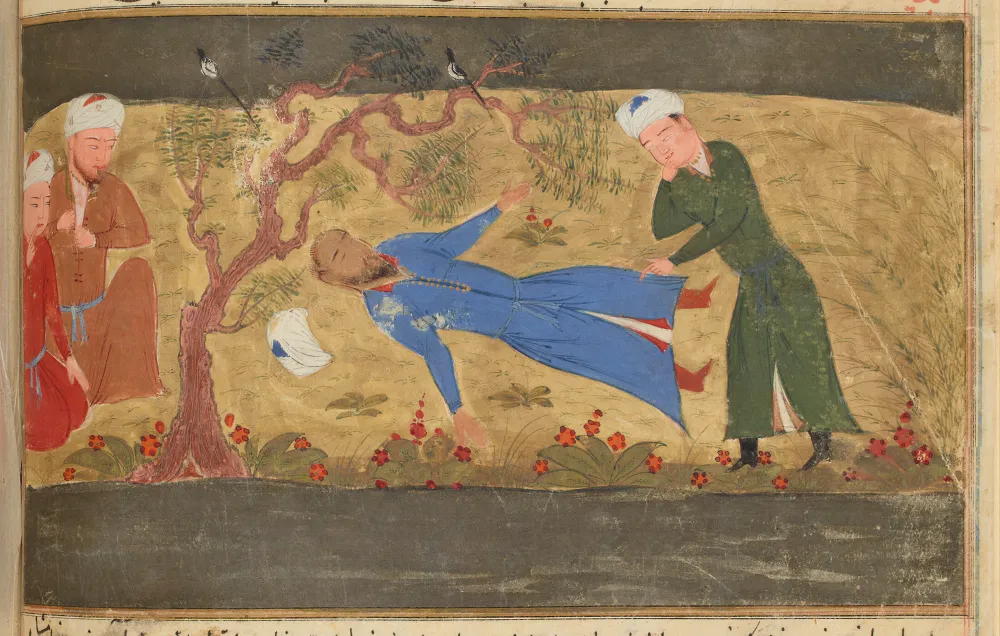
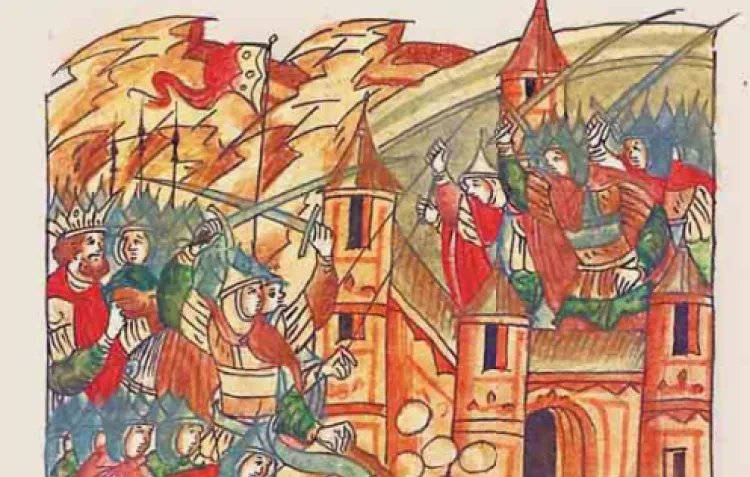
In 1237, Batu Khan, son of Jochi and grandson of Genghis Khan, led an invasion of the Kievan Rus in modern day Russia and Ukraine. According to the Laurentian Chronicle, the Mongols captured city after city as the Rus princes squabbled amongst themselves. This included Ryazan, Moscow, and Vladimir, bringing large areas of Russia under Mongol control.
The campaign culminated in the Siege of Kyiv in 1240. When the inhabitants of Kyiv refused to surrender, Batu seized the city. Many of the city’s inhabitants were killed while many more were enslaved and taken east. One of the few to escape the capture of Kyiv was Prince Daniel of Galicia, who fled to Hungary.

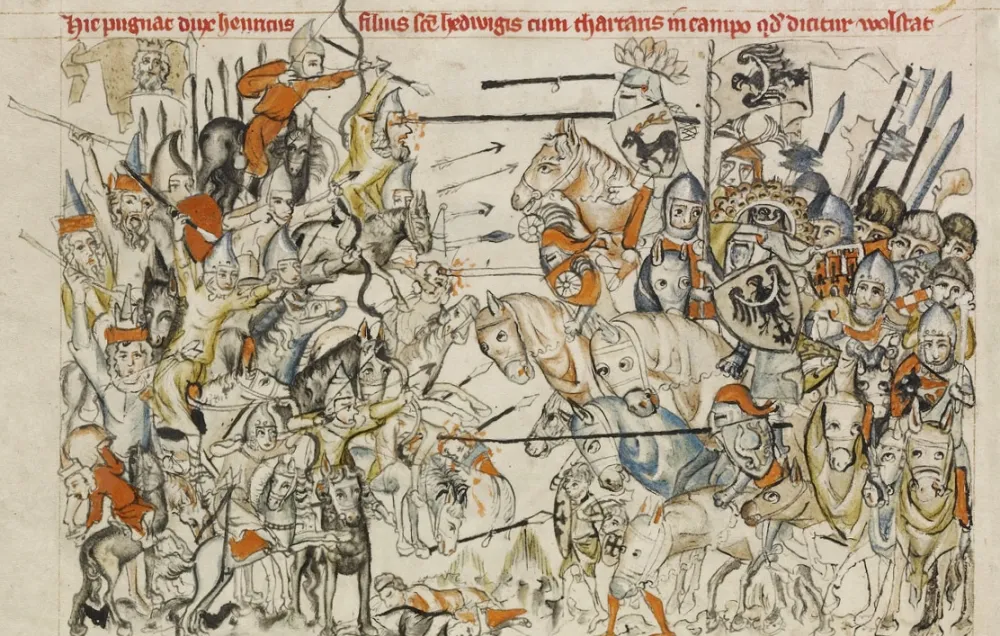
Batu continued his campaign west, claiming land granted to his father, Jochi, by Genghis Khan. 20,000 Mongols under generals Baidar and Qadan were sent against Poland. The main army, under Batu and legendary Mongol general Subedei, attacked Hungary.
In April 1241, over the course of 48 hours, two mighty European armies were defeated in Poland and Hungary. Vast areas of eastern Europe were laid waste, and Bulgaria was turned into a vassal of the Mongol Empire.
In 1242 however, Batu returned to Mongolia with his army. Ogedei Khan, Genghis' son and successor, was dead. The resulting quriltai, the great assembly of Mongol nobles to choose a new khan, saved Europe from further Mongol incursions.
The Mongol Empire suffered from a period of political instability after the death of Ogedei. His son, Guyuk, died two years into his reign, and it was only with the appointment of Ogedei’s nephew Mongke in 1251, that the conquests began again.
Mongke’s brother and founder of the Ilkhanate, Hulegu, was sent to the Middle East to bring the Nizari Ismailis, known to history as the Assassins, and the arrogant Abbassid Caliph of Baghdad to heel. Kubilai, another brother of Mongke, was sent south to battle the Song Empire and finally bring all southern China under Mongol control. Kublai would continue fighting the Song well after he succeeded Mongke in the 1270’s.

With the Abbassid caliphate under control, Hulegu pushed on into Syria in 1259. Yet the conquest of the Middle East dragged the Mamluks into conflict with the Mongols. Defeat at the Battle of Ayn Jalut in 1260 stalled the Mongol advance and prevented Hulegu from fully controlling the Levant.
With the death of Mongke Khan in 1259, Hulegu returned east for a quriltai to decide the next khan. Yet both Kubilai and Ariq-Boke held quriltais declaring themselves khans, causing a rift within Mongol rule that would have dire consequences.


Join the conversation