
5 minute read
- The Mongols


The Mongols have a reputation for ravaging Asia and eastern Europe, sowing destruction wherever they went. Yet, the Mongols were also enthusiastic patrons of science and culture. Under their dominion, trade routes crossing central Asia became important thoroughfares, allowing goods and ideas from east and west to spread across the globe. This exchange changed the world and laid the groundwork for the discoveries of centuries to come – discoveries we are still feeling the effects of today.
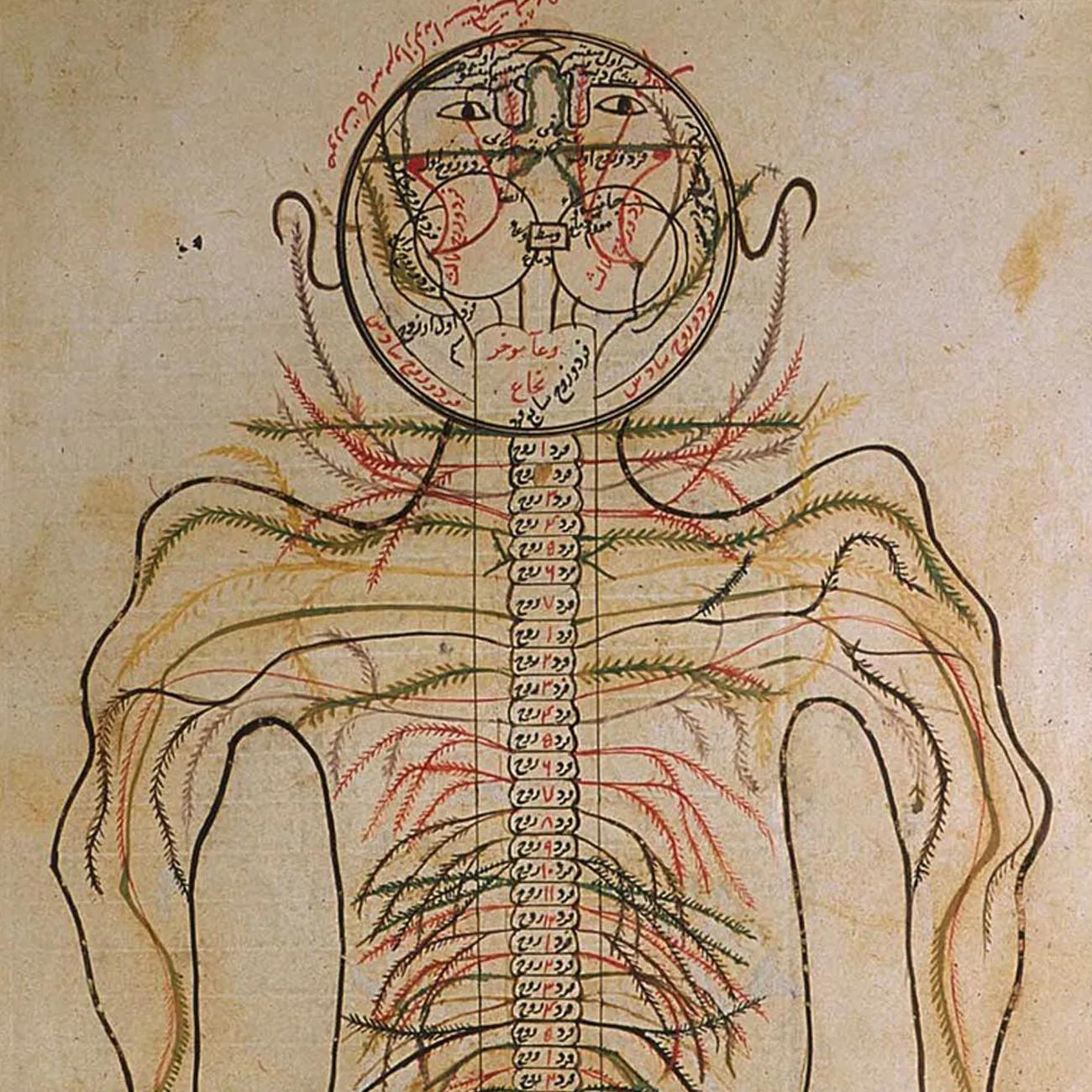
The Mongol khans were fascinated by science, including medicine, agriculture, astronomy, and engineering. During the initial expansion of the Mongol Empire, Genghis Khan pressed Persian and Chinese engineers into his army. With their expertise, the Mongols were able to master and advance siege warfare. According to the 13th century Persian chronicler Juvaini, this may include early gunpowder weapons such as rockets.
But the Mongols were also interested in peaceful discoveries. The founder of the Ilkhanate, Hulegu, was a patron of several scientific institutions such as the great observatory of Maragheh in present day Iran. Kublai Khan set up a Muslim Medical Office and a Directorate of Muslim Astronomy in the 1270s.
These institutions allowed the exchange of ideas from different ends of the empire and allowed scientific thought to thrive. One such development was the world’s first colour atlas of human anatomy by Mansur Ibn Ilyas between 1344 and 1386. This document became a foundational text for European schools of medicine during the Renaissance.
According to the Mongols, all religions worshipped the same heaven, named ‘Mongke Tenggeri’ - the Eternal Sky. In their ideology, Tenggeri gave the earth to the Mongols to rule over. It therefore didn’t make sense to promote instability across the empire by banning religions that worship the same heaven as the Mongols. This led to a greater degree of religious tolerance than many contemporary societies. Shamanism was practiced alongside Christianity, Islam, Judaism, Buddhism, and Taoism.
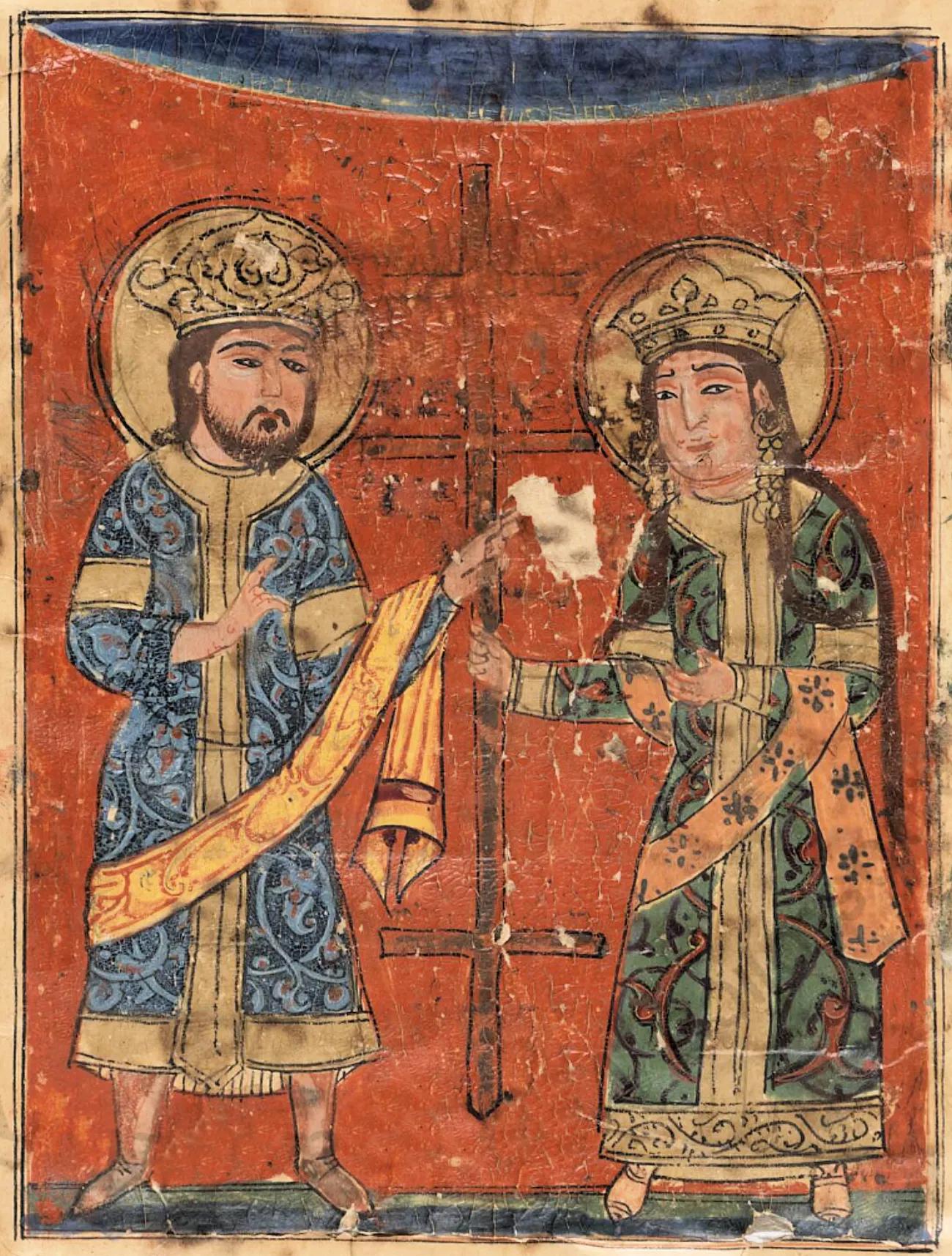
Many of Genghis Khan’s successors, up to the 14th century, adopted different religions while maintaining a neutral position on other faiths within their borders. Ogedei, Genghis khan’s third son and successor, was described by the chronicler Juzjani as a great friend of Islam. Ogedai’s son, Guyuk, was often described as Christian. Guyuk’s cousin, Kublai Khan of the Yuan dynasty, converted to Buddhism. The tolerance shown by the Mongols fostered cooperation between different faiths and cultures in science and the arts. Nor was faith a barrier to political and administrative office, diplomatic alliances and trade partnerships.
Slowly though, this spirit of tolerance ebbed away as the empire divided into interlocked khanates. In 1280, certain Islamic and Taoist practices were restricted in Mongol Yuan China. Meanwhile, in the 14th century, Buddhists and Christians began to occasionally suffer from local persecution in predominantly Muslim territories such as the Ilkhanate in the Middle East. This did not happen in all Mongol territories. In the Muslim Golden Horde, all were allowed to practice their faith without restriction.
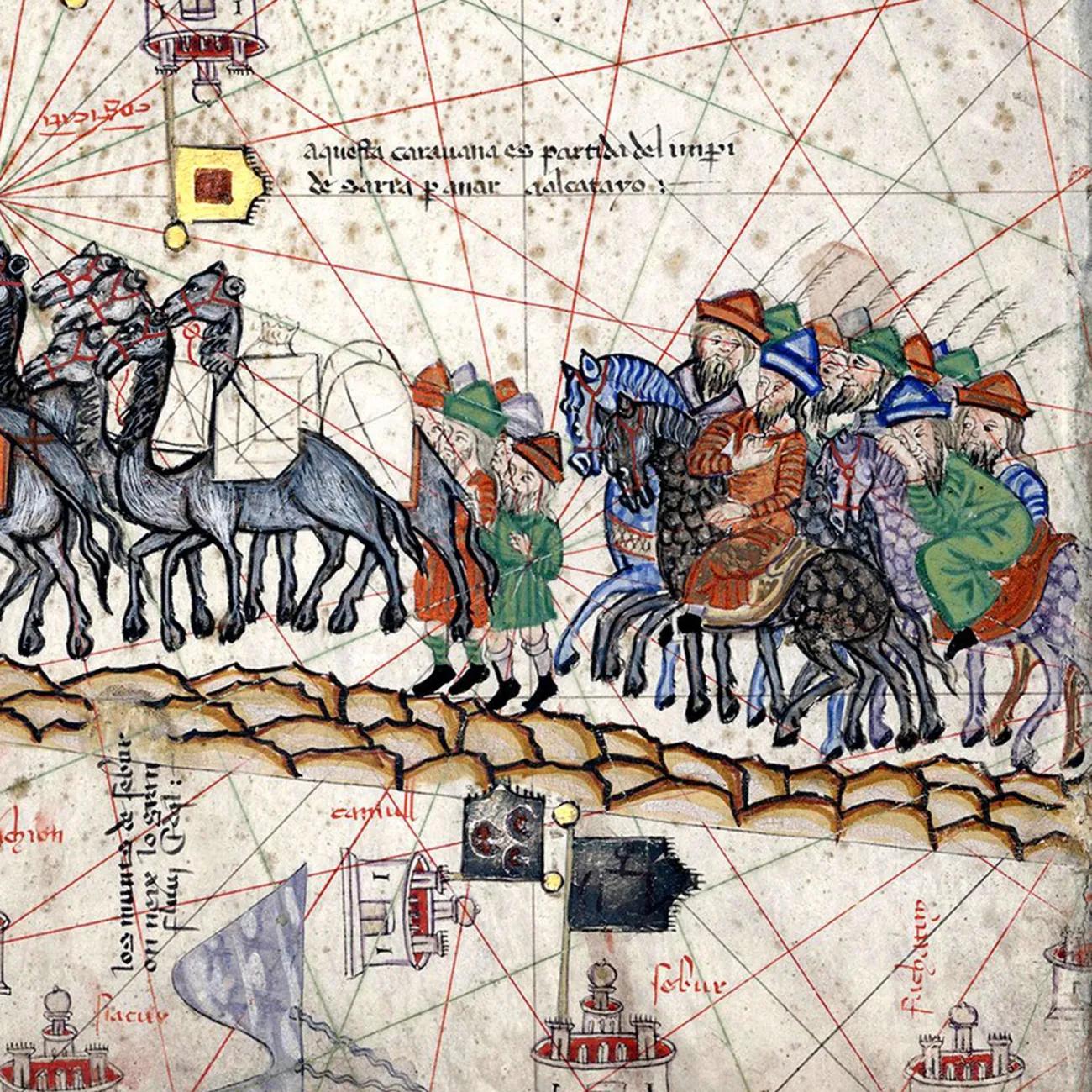
Trade was the lifeblood of the Mongol Empire. The ability to convey goods or messages long distances with relative speed and security was one of the great innovations of the Mongols. The Yam was a courier system built on a chain of relay stations that stretched from east to west. These relay stations were built the equivalent of a day’s travel by horse apart from each other. Couriers were issued badges and safe conducts known as paiza or gerege that entitled them to food, rest, and fresh horses at these stations.
As communication improved, so too did trade. Alongside the ancient ‘Silk Road’, other trade routes opened between the west and east. This allowed not just precious goods but ambassadors and traders from Europe such as Marco Polo to record the splendour of Mongol courts. Innovations such as gunpowder arrived in Christendom this way, changing Europe forever in the process.
Yet with increased interaction and co-operation came risk. The Bubonic Plague arrived in Europe through trade routes from the east. From 1346 to 1353, the Black Death as it became known killed approximately 25 million people in Europe. While largely eradicated today, outbreaks of the plague have resurfaced in India, Madagascar, and Uganda.

Join the conversation