
6 minute read
- Tower of London
- Torture and punishment


During the First World War fighting on the Western Front in Europe another more secretive war was fought in Britain. German agents and British intelligence officers tried to fool each other. However, some spies were captured and then sent to the Tower of London. One of those was Fernando Buschmann.
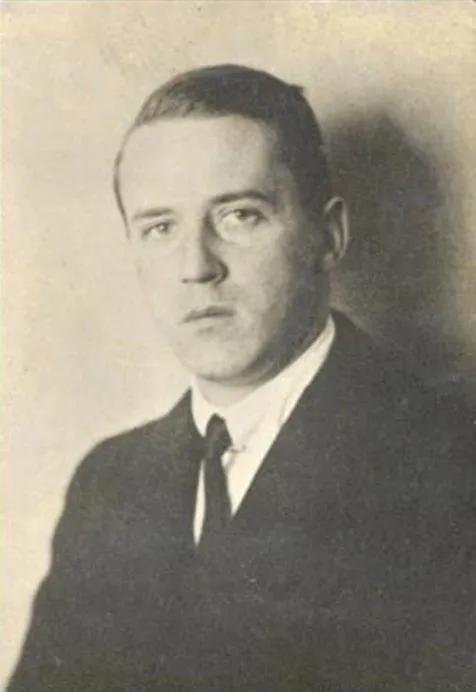
Fernando Buschmann arrived in London in 1915. At this time Britain was gripped by anti-German feeling. Businesses with German sounding names were attacked and vandalised and government authorities hunted for German spies. A foreign businessman with a German name like Buschmann quickly attracted attention.
Despite his German surname, Fernando Buschmann was not actually German. He had been born in Brazil to a German father and a Danish mother. He had then been educated in Austria and Switzerland. After leaving school he began a career in the aviation industry. When this proved unsuccessful, Buschmann decided to return to Brazil to find other career opportunities. In 1912 he set up an import-export firm with another Brazillian businessman Marcelino Bello.
Under the name Buschmann and Bello their company imported food from Germany and England and exported Brazilian potatoes and bananas. In 1913 business was successful enough for them to open a branch in Hamburg. Fernando regularly travelled between Brazil and Europe to expand the company’s business interests.
International events, however, prevented soon affected the business. Shortly before the outbreak of war in September 1914 their German office had closed. A number of British firms had also stopped trading with them because of their German connections. Buschmann’s name was removed from the firm’s title but the company continued to decline.
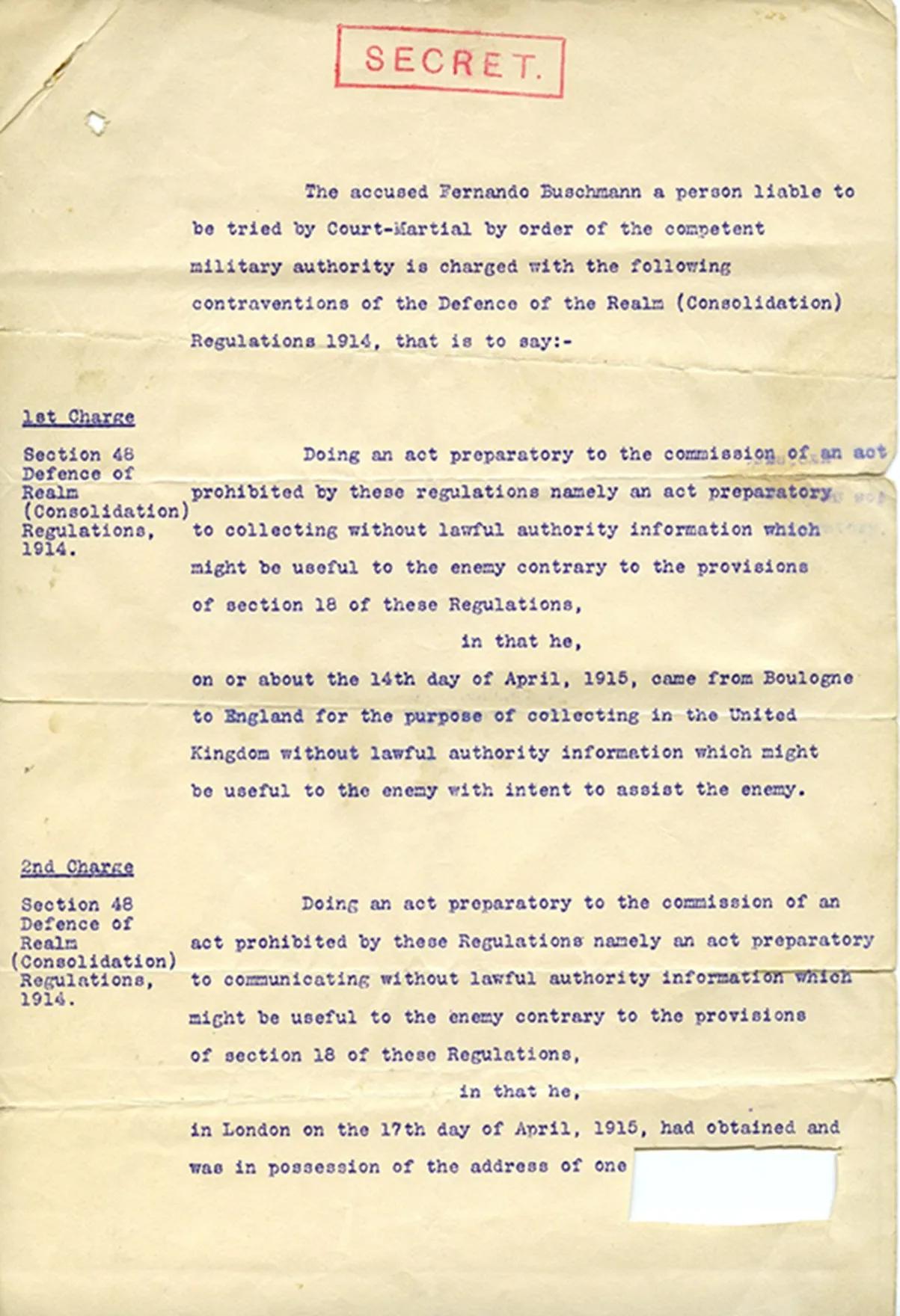
Buschmann’s charge sheet was heavily edited to preserve national security during the First World War. Instead of blacking out sensitive information, entire passages were removed completely.
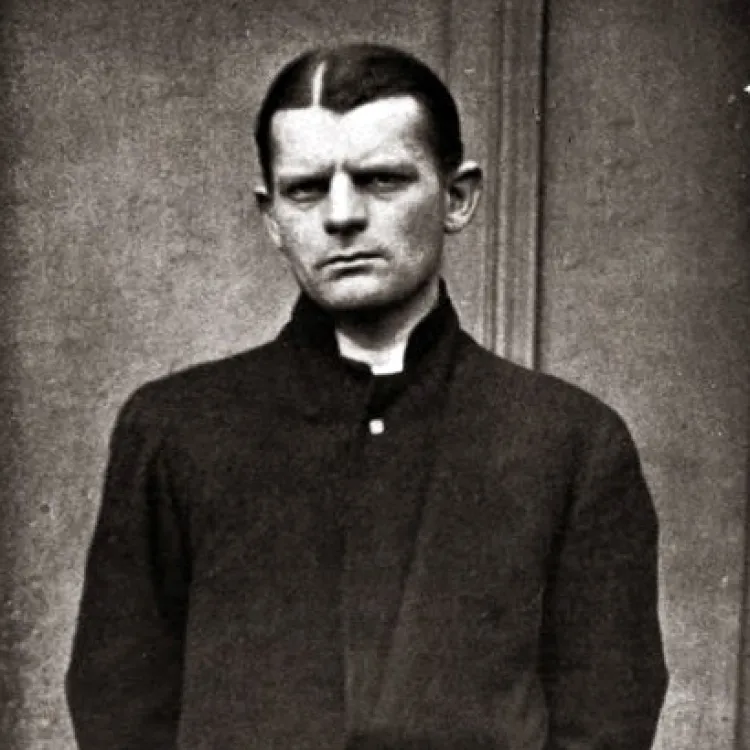
Carl Hans Lody was a junior lieutenant in the German Naval Reserve who volunteered with German Naval Intelligence in May 1914. In August 1914, he was assigned to collect information in Britain, specifically shipping in Scotland. Lody was ill-trained and ill-equipped for life as a spy. He would frequently communicate with addresses well known to MI5 as fronts for German spies via public telegrams. These messages were intercepted by British intelligence and Lody was arrested 2nd October 1914. On 6th November 1914, Lody was executed.
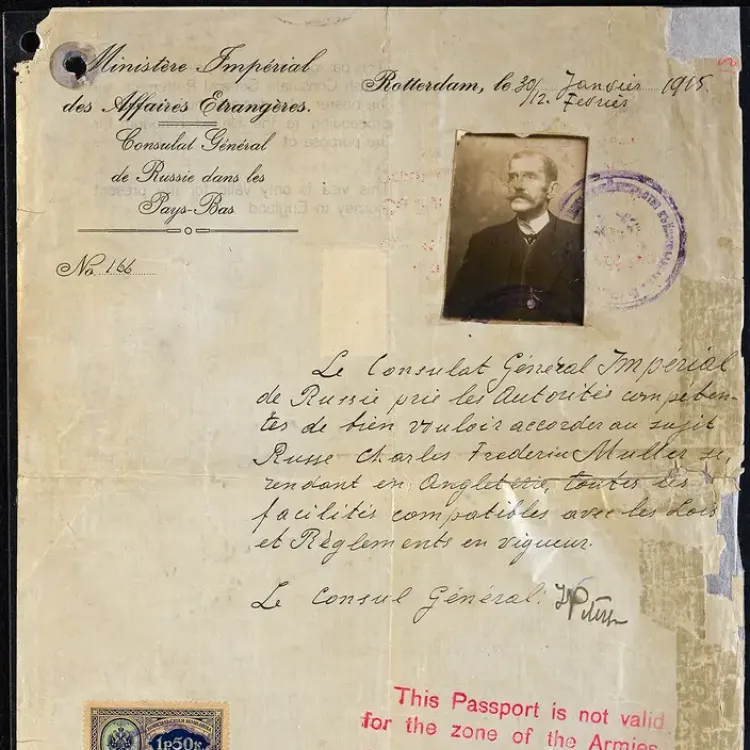
Before the war, Carl Frederick Muller was a German businessman in Antwerp, Belgium. When the war arrived, Muller’s business failed and he was arrested by the German military authorities. It is thought that during this brief term of imprisonment, Muller was recruited as a spy. When he arrived in England, Muller recruited a baker called John Hahn. Unfortunately, Hahn did not have Muller’s caution and signed his own name on a message sent to his intelligence contact. This led police to Hahn and then to Muller. Muller was arrested on 25th February 1915 and executed at 6am, 23rd June 1915.
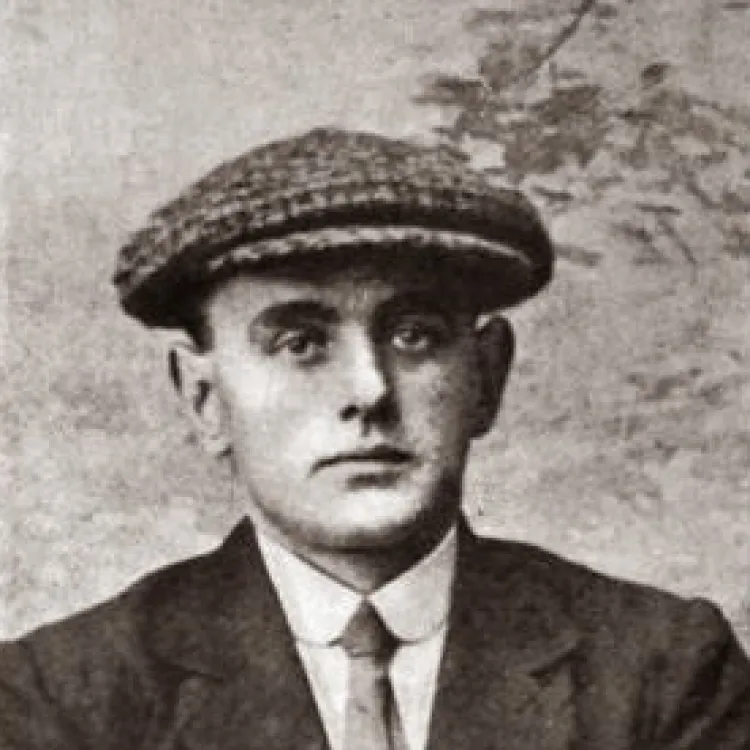
Haicke Petrus Marinus Janssen and Willem Johannes Roos were Dutch nationals who posed as cigar salesmen. In late April to early May, the two men arrived in the UK and began visiting prominent ports such as Leith in Scotland and Southampton in England. They repeatedly sent messages to a company they allegedly worked for called Dierks – a company suspected of being a front for German intelligence. In these messages, the pair asked for quantities of cigars which British intelligence suspected as being code for ship and troop movements. For example, a request for 10,000 Sumatra S.S. cigars meant 10 "Schlaht Schiffe", or battleships. The pair were convicted and executed on 30th July 1915.

Ernst Waldemar Melin came from a prominent Swedish family with trading links to England. His early life was marked with drug and alcohol abuse. By 1915, thanks to the war and his father’s exasperation, Melin found himself looking for work in Hamburg. Here, he was introduced to German military officers who hired him to spy on Britain. Under the direction of Dierks, Melin was a reluctant spy who refused to travel around the ports and instead remained in London to feed occasional, largely nonsense, information back to Berlin. On capture, he almost immediately confessed but this did little to save him. Melin was found guilty and executed on 10th September 1915.
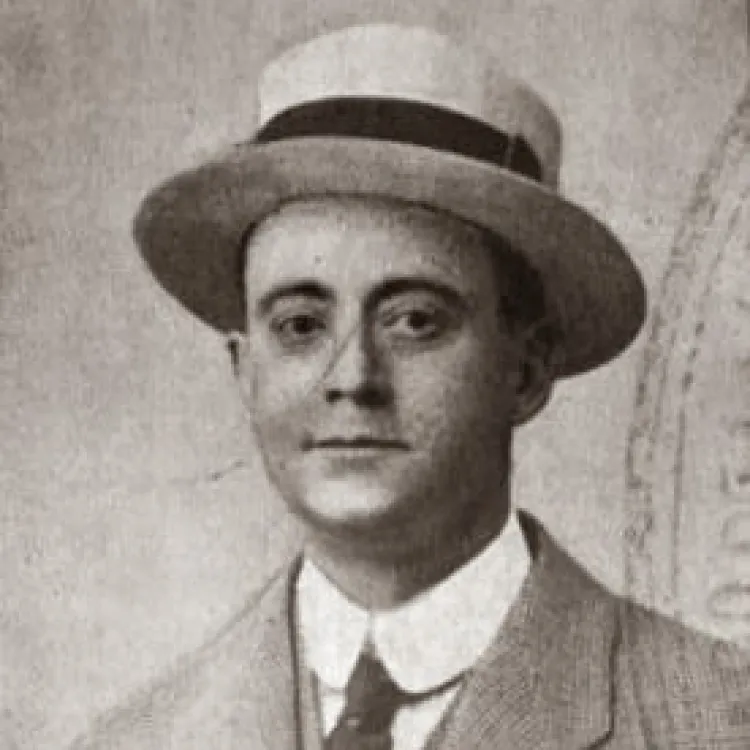
Augusto Alfredo Roggen was a Uruguayan national born to German parents. In March 1914, Augusto travelled to Europe and toured the continent before returning to Germany in May 1914. On 30 May 1915, Roggen travelled to London and attempted to buy some horses with the cover story of exporting them to Montevideo in Uruguay. When asked where the money would be coming from, Roggen gave the address of Mr. Flores - a well-known German spymaster. Roggen spent the next two weeks travelling around Britain and announced his intention to visit an area known for torpedo experiments. On 9th June, Roggen was arrested. At his hasty trial, Roggen was found guilty and sentenced to death. Roggen was executed on 17th September 1915.
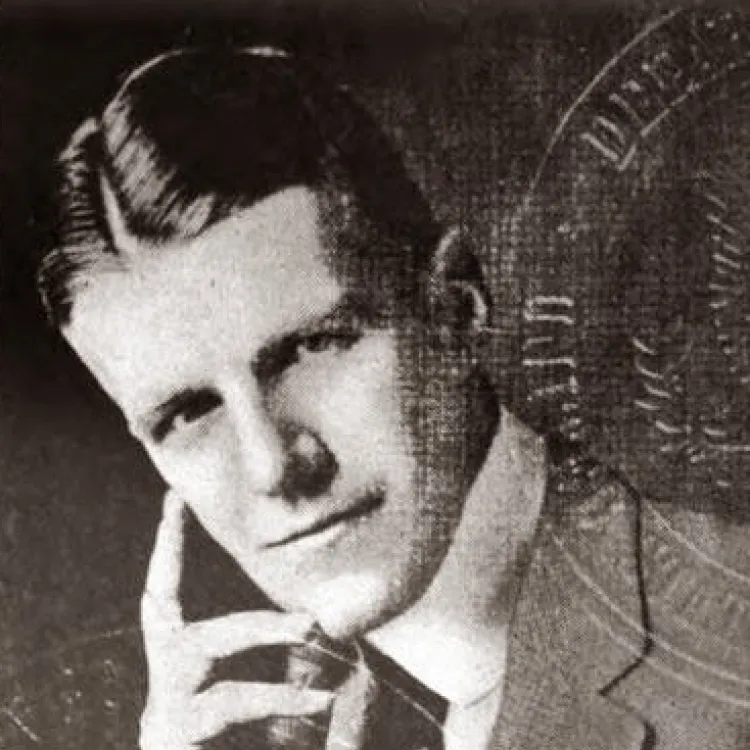
George Breeckow was born in Stettin in modern day Poland. Despite his German roots, Breeckow travelled to America where he arranged the export of pianos until 1914. He moved back to Germany just in time for the outbreak of war. He arrived in London on 11th May 1915 and formed a relationship with another spy, Louise Emily Wertheim. Breeckow spent his time sending troop movements in invisible ink to his handler, the well-known Flores in Rotterdam! One of these messages led to his arrest, as he included his contact details on the back of the envelope. Both Wertheim and Breeckow were traced and arrested. Breeckow was sentenced to death and executed on 26th October 1915.
Buschmann became involved in spying when he was closing down his European business interests in Germany, Italy and Spain. While he was in Italy an unnamed female friend of his introduced him by letter to a Dutch contact called Heinrich Flores. Flores was actually a German spymaster impersonating a language teacher in Rotterdam.
Buschmann later claimed that he did not know Flores was spying for Germany. It was this connection though that brought him to the attention of the British counterintelligence service. When Buschmann came to London on business in April 1915 his activities were closely watched.
Buschmann sent telegrams requesting money from Flores so he could create business opportunities in the UK. His plan was to travel across Britain and meet potential business partners along the way. Concerned by his behaviour the British authorities arrested Buschmann in June 1915.
Buschmann was not the first person to have been arrested on suspicion of spying during the First World War. A number of German spies had already posed as tobacco salesmen. Their letters had requested cigars and cigarettes. This could have been seen as a simple business order but the British suspected these were code words that identified war supplies travelling to Europe.
Buschmann claimed his business in England was to sell an acid used in explosives, rifles, and cloth. He admitted to formerly selling flour and potatoes but made a specific point of saying he did not sell cigars. He was not believed. His involvement in the import and export of food before the war made others believe that the word 'banana’ was code for shipping.
...Should we be far out in suggesting bananas and battleships are interchangeable terms?
Major Reginald John Drake, British War Office
Buschmann was charged with four offences under Section 48 of the Defence of the Realm (Consolidation) Regulations 1914. This meant he was accused of spying. It was a crime punishable by death. Buschmann had not been able to easily explain his connections to known German agents or his trips to important naval dockyards. Invisible ink had even been found in his record books. This was a common spying device for German agents.
Buschmann argued that he was just a bad businessman.
I was never a soldier or a sailor, and I am absolutely ignorant of all military matters. I am not a good businessman as I am more wrapped up in my music than business.
Fernando Buschmann after hearing the court’s verdict
The British authorities did not accept his defence. Fernando Buschmann was found guilty in September 1915 and sentenced to death.
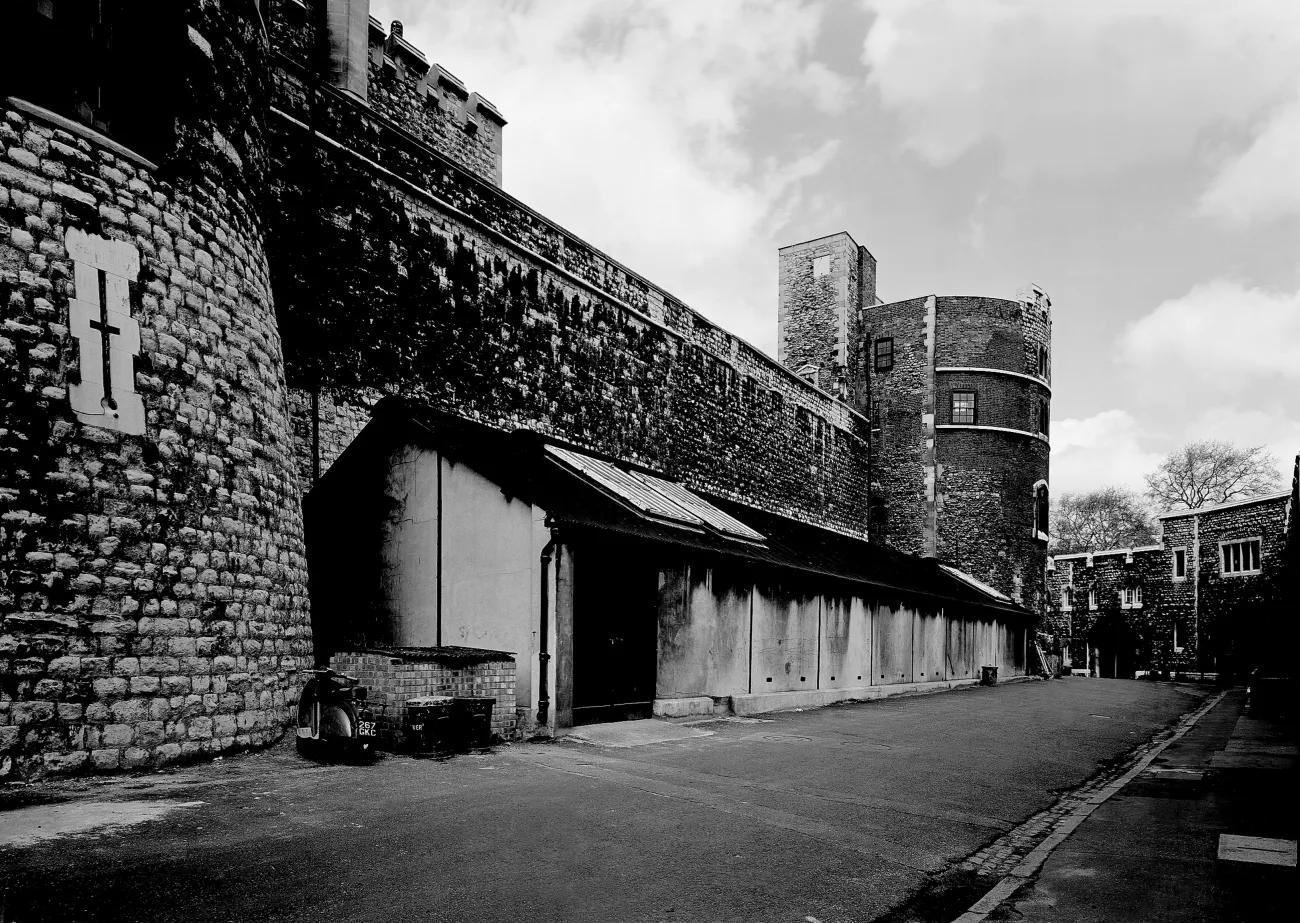
He was transferred to the Tower of London on 18 October 1915 where he was to be executed by firing squad. He was allowed to have his violin which he played throughout the night. The sentence was carried out at 7:00am on 19 October at the Tower’s Miniature Rifle Range. Buschmann was the seventh of eleven convicted spies shot between November 1914 and April 1916. He was the second youngest spy to die at just 25 years old.
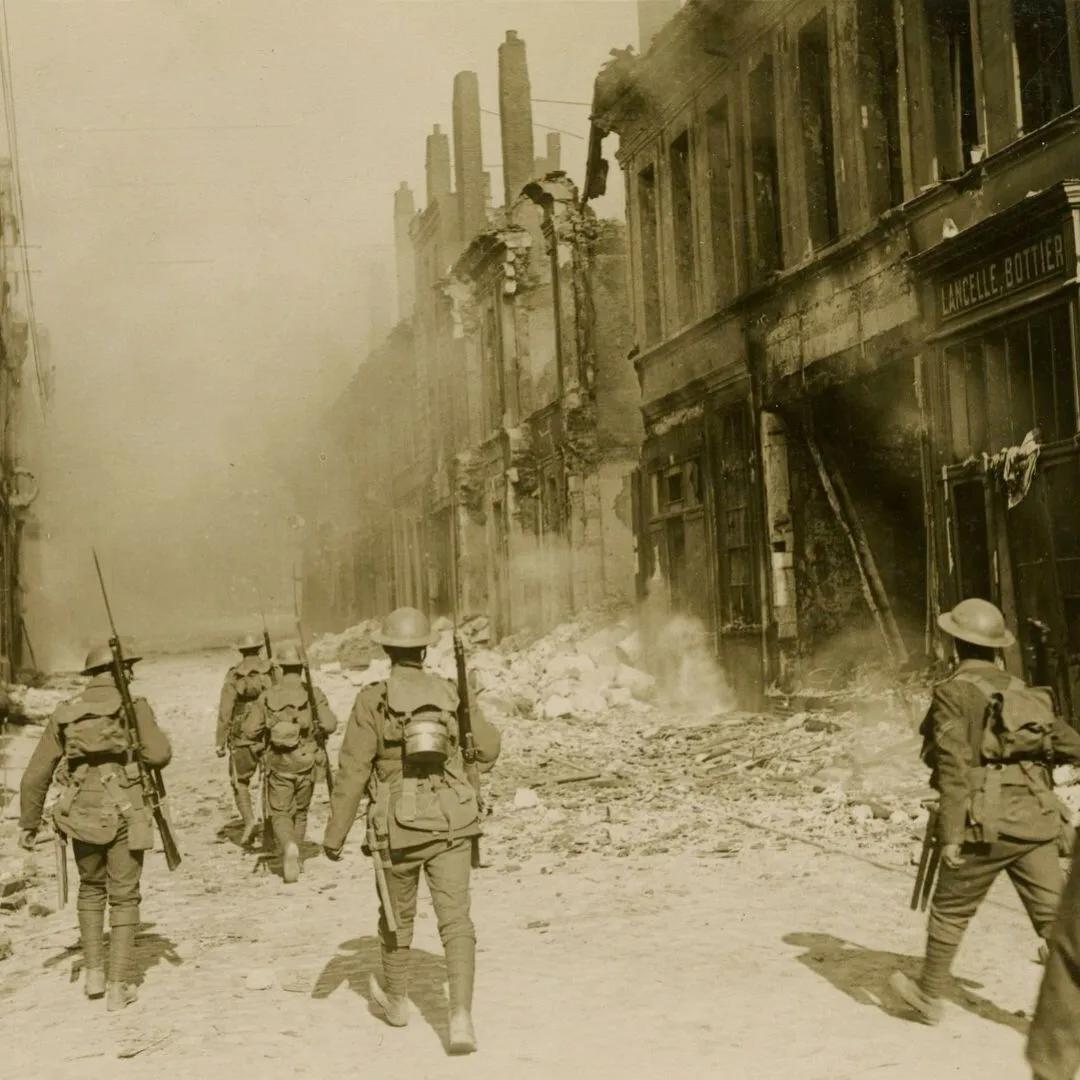
The First World War was a period of great innovation in arms as the major powers attempted to break the deadlock of trench warfare. Yet as weapons grew increasingly efficient, tactics failed to keep pace. As a result, millions of men from around the world would lose their lives in the fields of Flanders, the plains of Russia, or the cliffs of Gallipoli. The Royal Armouries has many of these arms in our online collection, allowing visitors to learn more about how they revolutionised warfare.
Join the conversation