

7 minute read
- The Mongols


Part of: The Mongols
By Natasha Bennett, Curator of Asian and African Collections
By the end of the 13th century, the Mongols had conquered a vast empire dwarfing those of Rome and Macedonia. Yet, they had done so with arms and armour that had changed little for hundred of years; lamellar armour, the sword, the mace, and the all-important composite bow. The equipment and the fighting methods of the fearsome Mongol warriors influenced Asian warfare for centuries to come.
Nomadic horse archers dominated the battlefields of medieval Asia. The composite bow used from horseback had been the pivotal weapon in steppe warfare for millennia and lamellar armour appeared more than any other form of defence at the time. Additional forms of arms and armour were developed either to support or offer protection against this method of fighting.
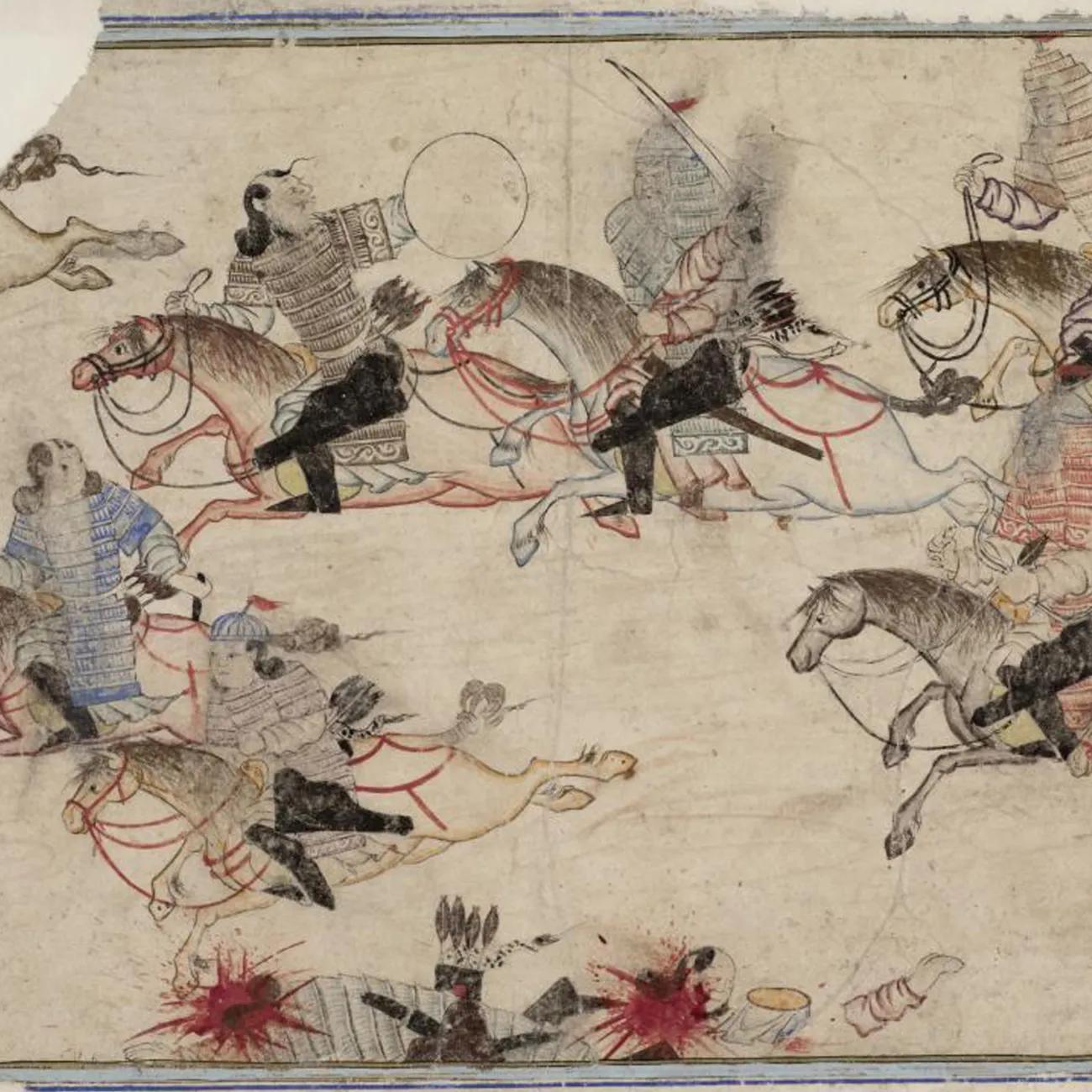
This combination of equipment was used with particularly devastating effect by the Mongols. From horseback, these nomadic people conquered an empire that extended from Hungary to the borders of Vietnam. Despite this success, few pieces of arms and armour survive from this climactic period in history.
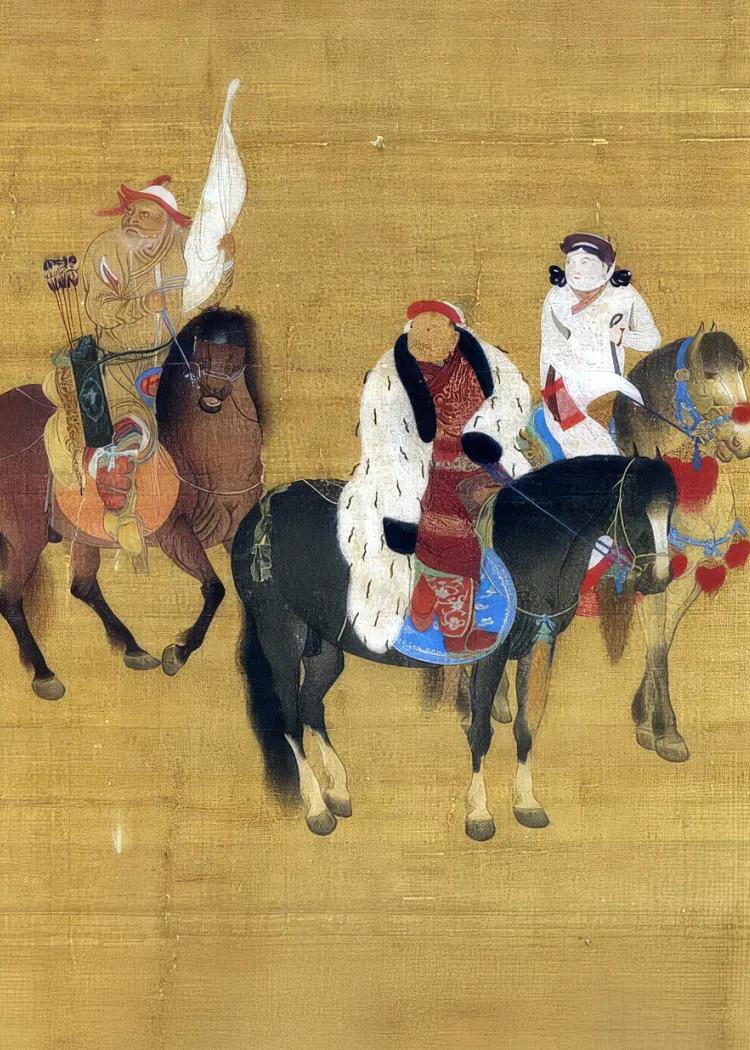
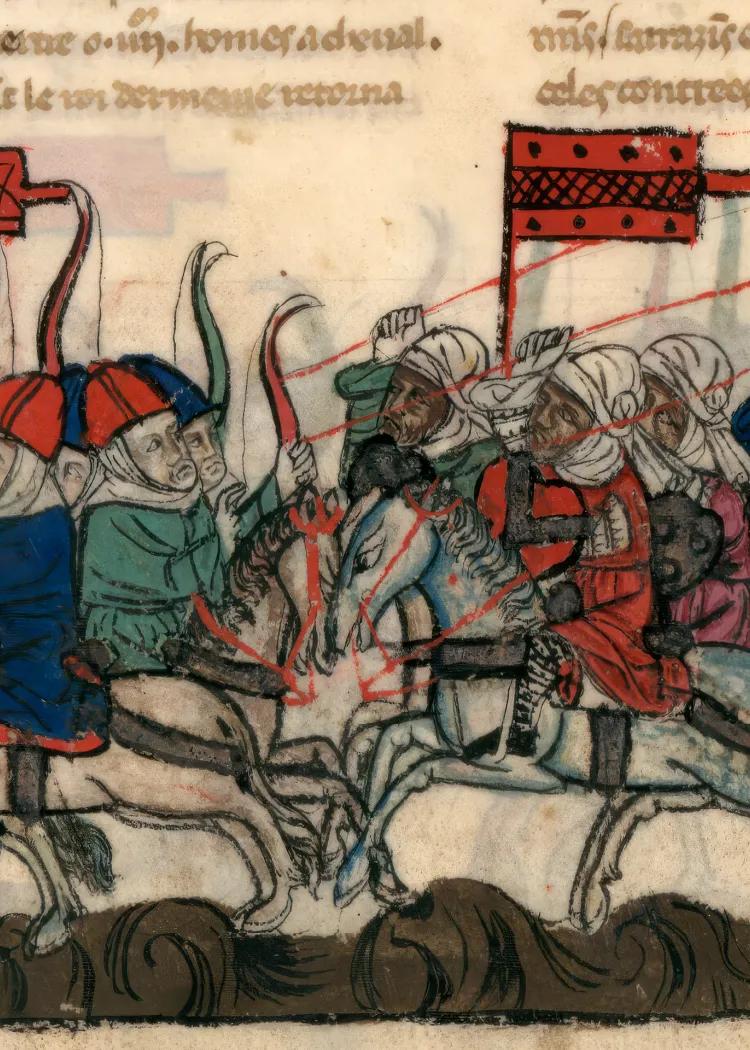
Thankfully, many accounts and illustrations of Mongol military equipment have been preserved. These include the Secret History of the Mongols from about 1252 CE, and the Jami’ al-Tawarikh at the turn of the 14th century. Impressions from western travellers provide an external perspective on this unfamiliar equipment. These include the writings of the famous Venetian merchant and explorer Marco Polo.
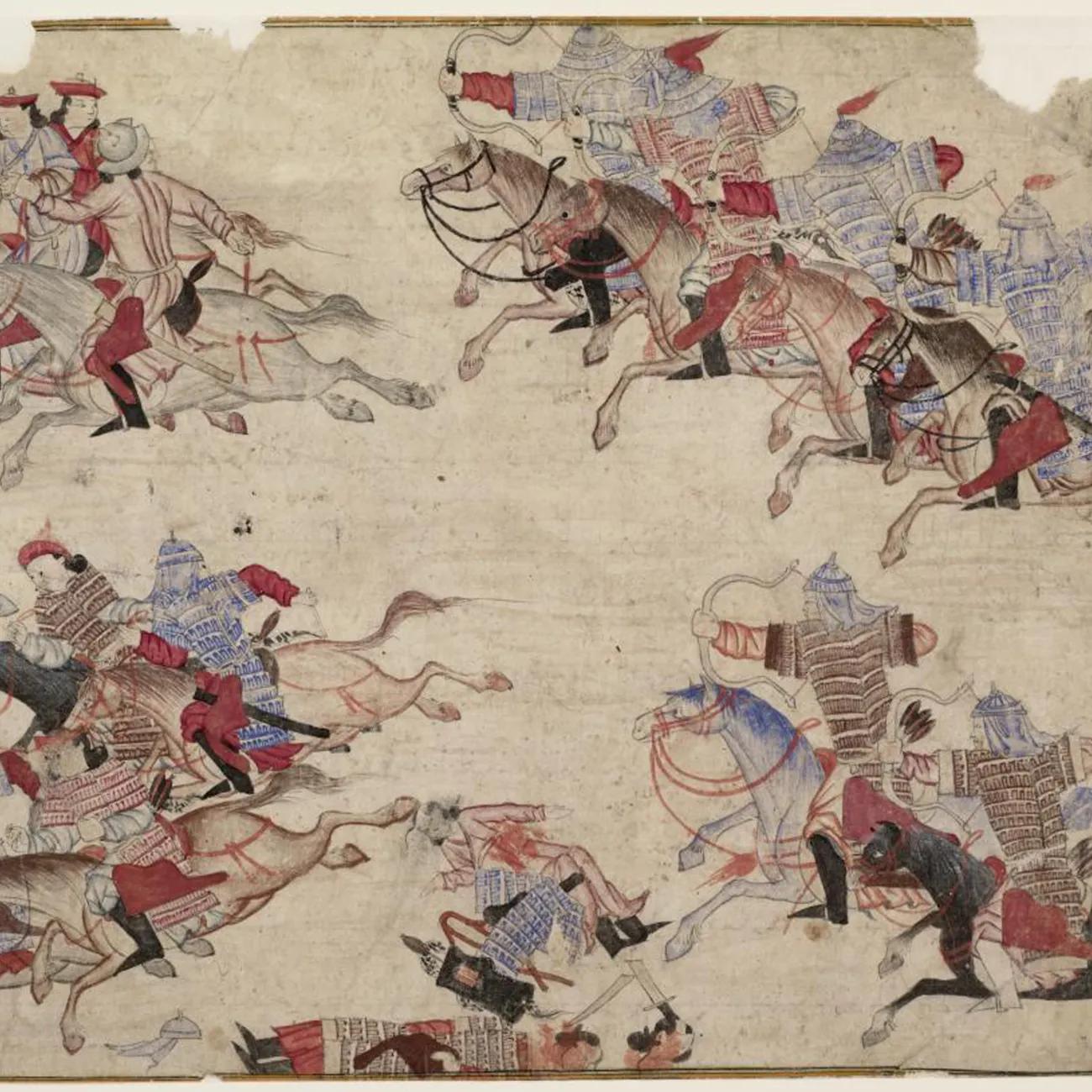
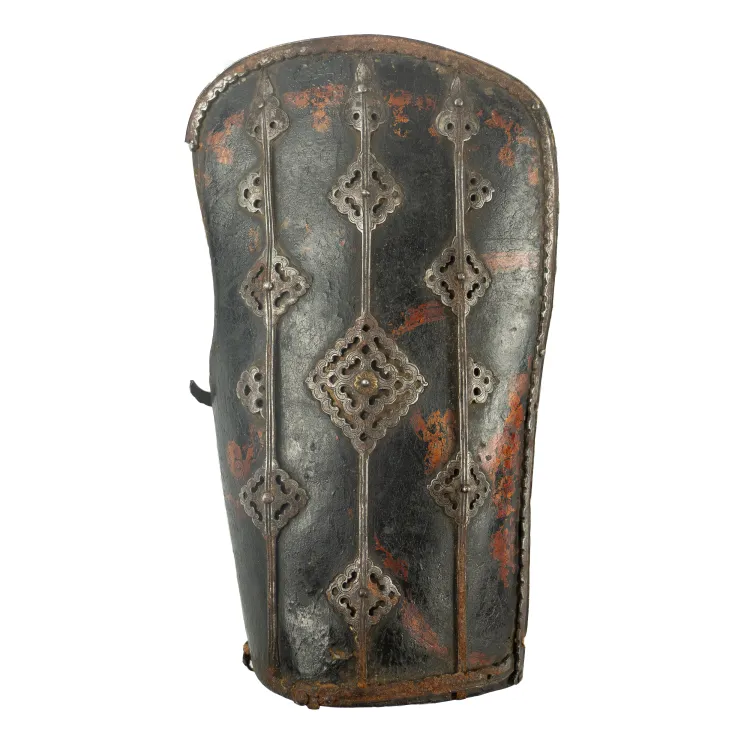
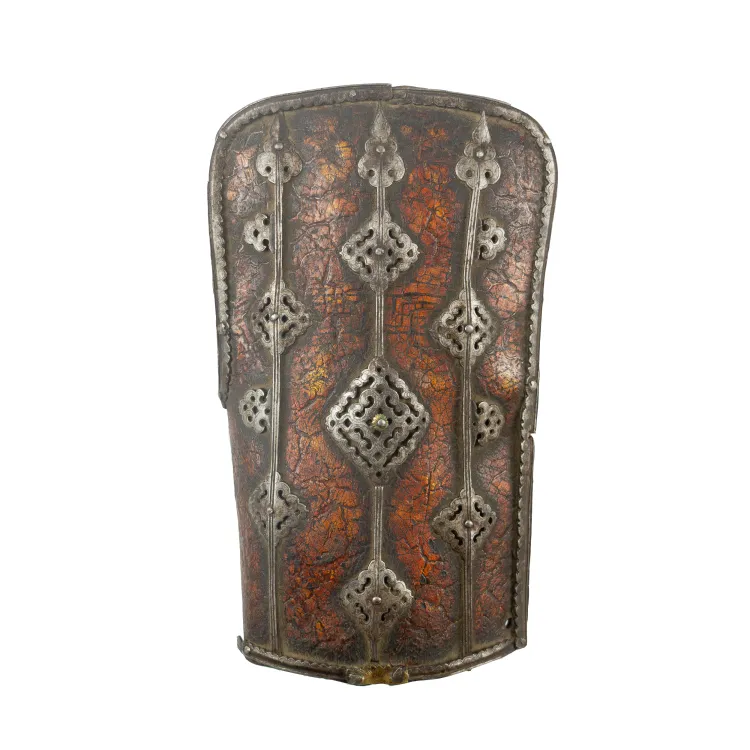
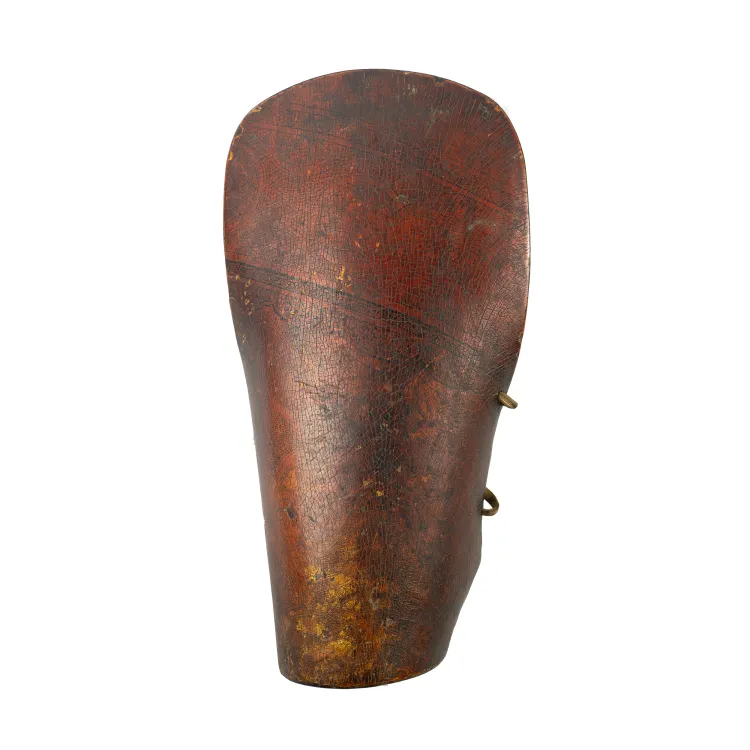
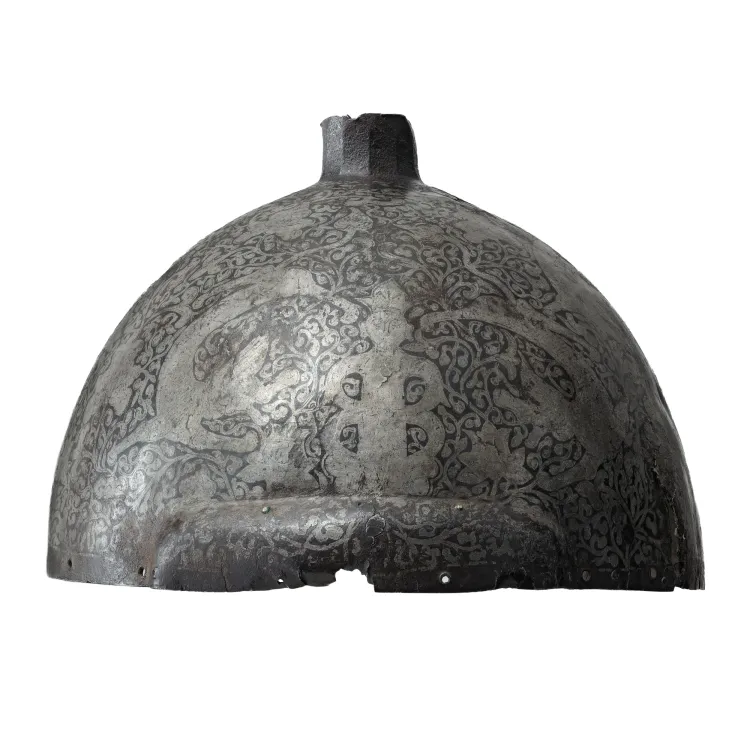
Several of these primary sources help inform our understanding of the arms and armour of the Mongols, despite the rarity of surviving pieces. Moreover, the Mongols’ influence extended beyond the 12th and 13th centuries. The Mongol invasions had a long-lasting impact on tactics, arms, and armour across Asia and the Middle East. Some examples were even in use in many areas up until the 19th and 20th centuries. This extended legacy can be seen in objects in the Asian and African gallery at the Royal Armouries in Leeds. Featured below are some examples of Mongolian inspired arms and armour from Mongolia and beyond.
The Mongols were the most successful and feared horse archers in history. Using the bow as their primary weapon, they conquered the largest land empire ever known. Contemporary Armenian sources referred to them as ‘the nation of archers’, and their prowess and emphasis on skill with the bow featured in many accounts of the time. John of Plano Carpini recorded that both boys and girls learned to ride and shoot from the age of two or three, highlighting how central the skill was to Mongol society.
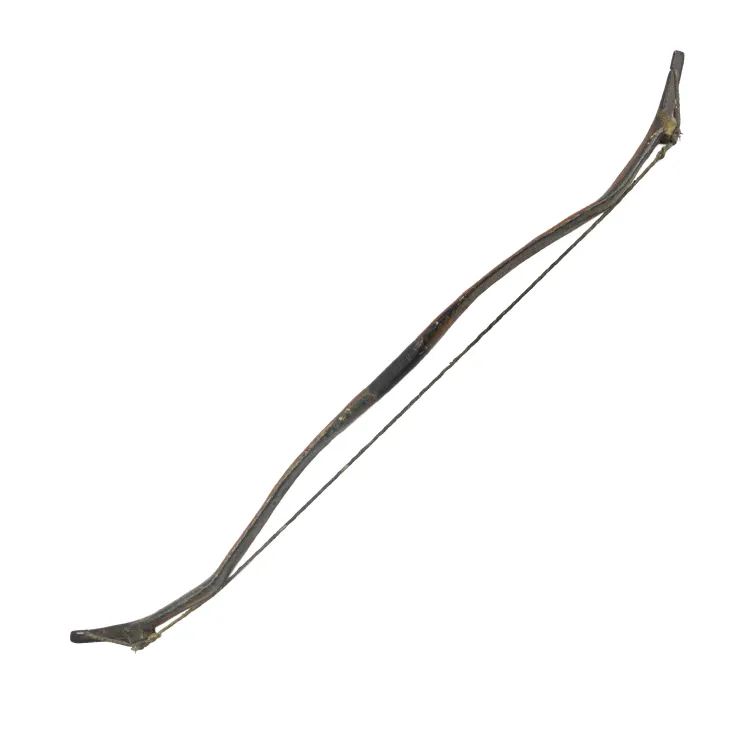
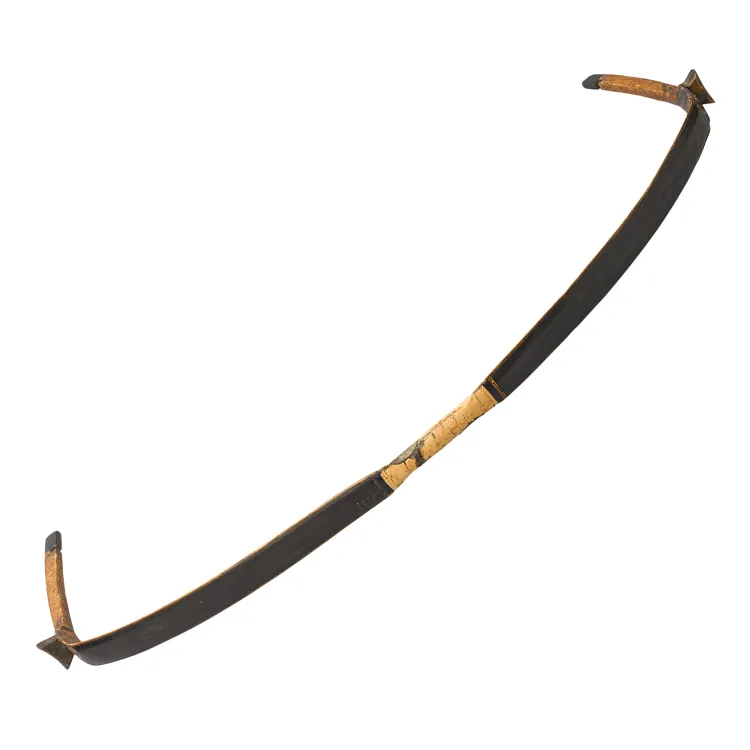
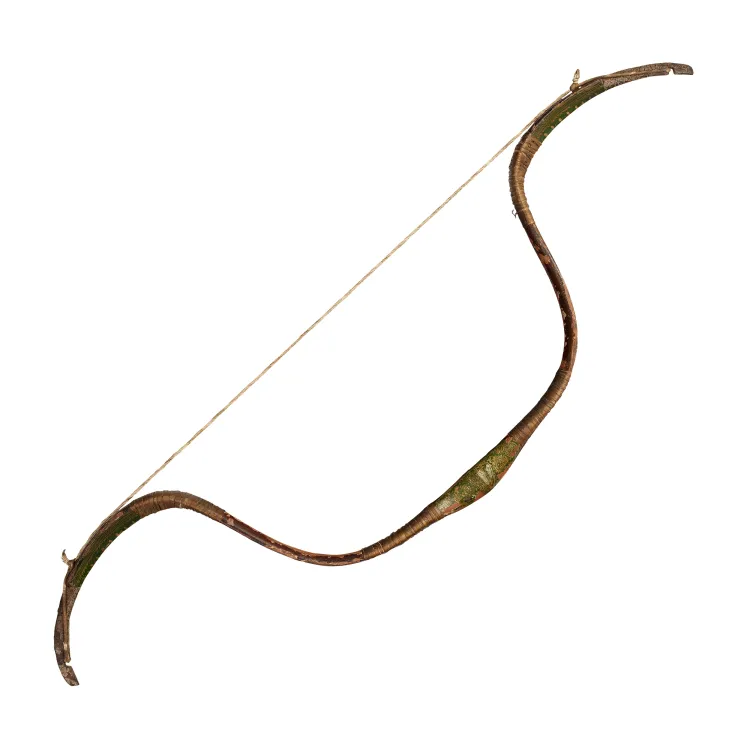
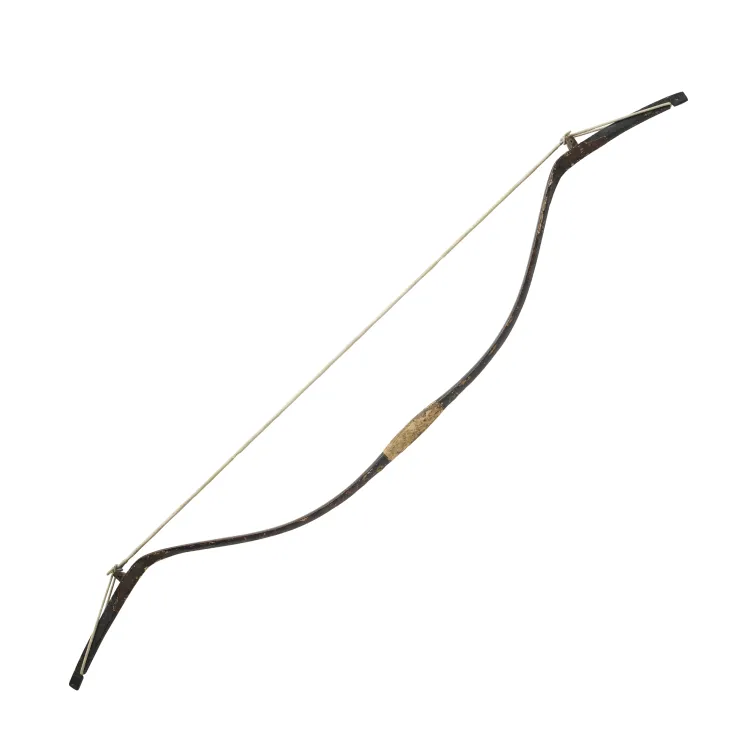
The bows are called ‘composite’ because they are composites or combinations of three or more different materials. A Mongolian bow was usually made of wood such as birch, elm, wild cherry, willow or beech; horn from either a mountain ram, goat, yak, buffalo or cattle; animal bones; animal sinew; the swim bladders of fish (degreased and boiled to form a strong glue); and birch bark. Together, the properties of these materials work together to create superb elasticity, enabling the bow to act as a powerful spring.
A few rare survivals of bows from around the time of the Mongol Empire have been discovered preserved in archaeological sites, allowing us to get a general idea of the more typical features of construction.
The core of the bow is made from pieces of well-dried wood spliced together, with the end pieces selected for a natural curve. Shaped bone plates with notches for the string are glued to the rigid ends of the limbs. The wooden core is reinforced on the belly (side facing towards the archer) with plates of horn which resist compression and supported on the back (side facing away from the archer, towards the target) with flexible animal sinew which snaps back to a non-extended state after release. The layers are joined together with a strong adhesive, often fish bladder glue. The bow is then wrapped in slanting strips of birch bark to act as a barrier against damage and damp.
Making a composite bow was a time-consuming process. Gathering and preparing the materials in a way that maximised their potential to store and release energy required a lot of time. It also took patience to construct the different stages of the bow and allow the layers to bond and dry. These traditional methods of bow-making were a highly skilled craft, handed down from generation to generation. A master craftsman could take about a year to finish a bow.
A finished bow was an advanced piece of technology and was regarded as a high-status weapon. They were used in great numbers by the Mongol forces, but this did not reduce their importance or value.
As each bow was hand-made, their draw weights and ranges varied. The average horse archer probably drew within the 60lb to 80 lb range, but many types of composite bow had draw-weights in the 80lb to 140lb range, and some could be well over that.
The famous Stele of Genghis Khan is inscribed with a dedication to his nephew in tribute to his achievement in an archery contest at a gathering during which ‘Yisüngge shot an arrow a distance of 335 alds.’ An ald is the distance of an arm span, approx. 160cm. So 335 alds = approx. 536m which is about 586 yards. This was an incredible feat, but not the norm.

These efficient, powerful bows with their recognisable ‘recurve’ shape, have an incredibly long history. Early evidence for their existence has been found in frozen Siberian graves from the late Neolithic period, and in Egyptian tombs from the 13th century BCE. The Scythian people first began using composite bows on horseback, probably during the 8th century BCE.
They were ideally suited to this purpose thanks to their short length, smooth action, considerable range, and built-in efficiency. This meant archers were required to expend less effort to generate the same energy than if they were using a self bow. The composite bow became the essential weapon of nomadic horsemen of the Eurasian Steppe. It enabled the waves of invasion that fanned out across the Asian continent, including the Sarmatians, the Xiongnu, the Xianbei, the Parthians, the Huns, and the Turks.
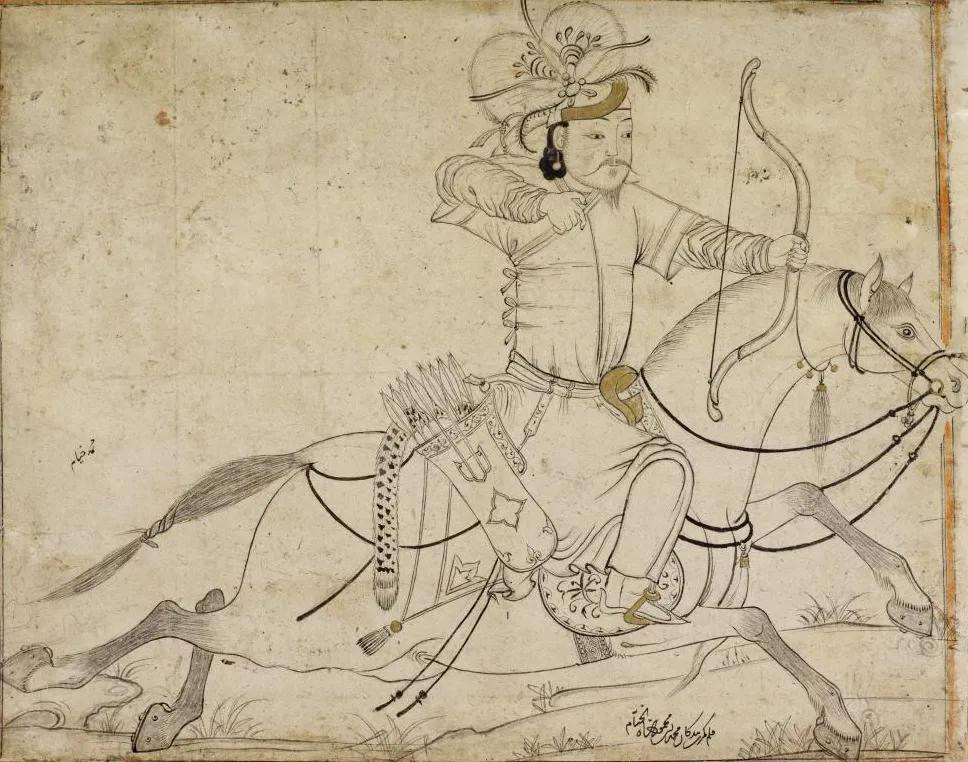
The men (…) hunt and practise archery, for they are all, big and little, excellent archers, and their children begin as soon as they are two or three years old to ride and manage horses and to gallop on them, and they are given bows to suit their stature and are taught to shoot; they are extremely agile and also intrepid.
From History of the Mongols by John of Plano Carpini
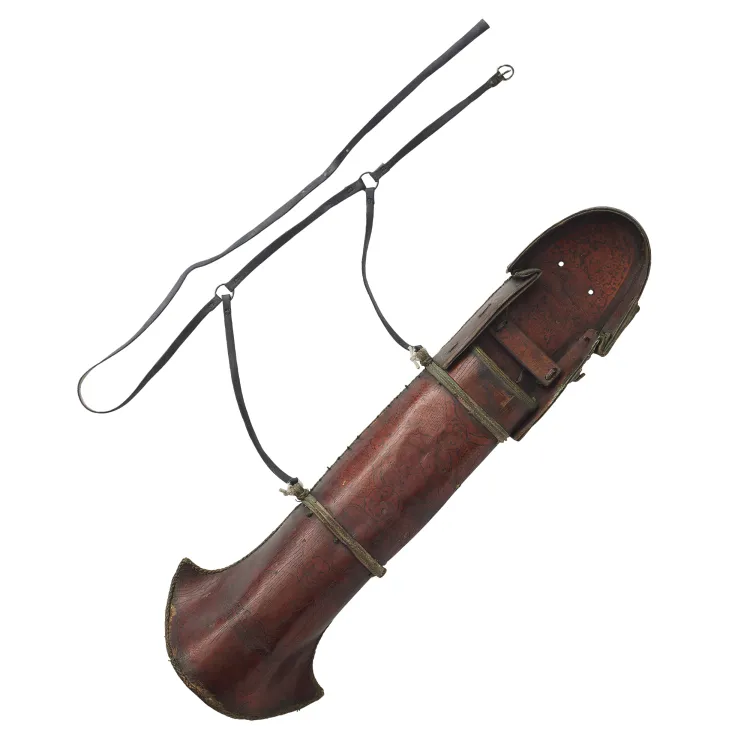
All archers required quivers to carry multiple arrows at once and protect them from breaking or warping. For the Mongols, quivers were hung from the belt on the right, and bowcases were suspended from the left.
Quivers often took the form of an enclosed tube with an opening at the top from which to withdraw the arrows. This was a type which was popular with Steppe horsemen, and the form continued to be used in Tibet and Mongolia until the 20th century.
(...) saw them carrying bows and arrows. (…) They all have to possess the following arms at least : two or three bows, or at least one good one, three large quivers full of arrows, an axe and ropes for hauling engines of war.
From History of the Mongols by John of Plano Carpini
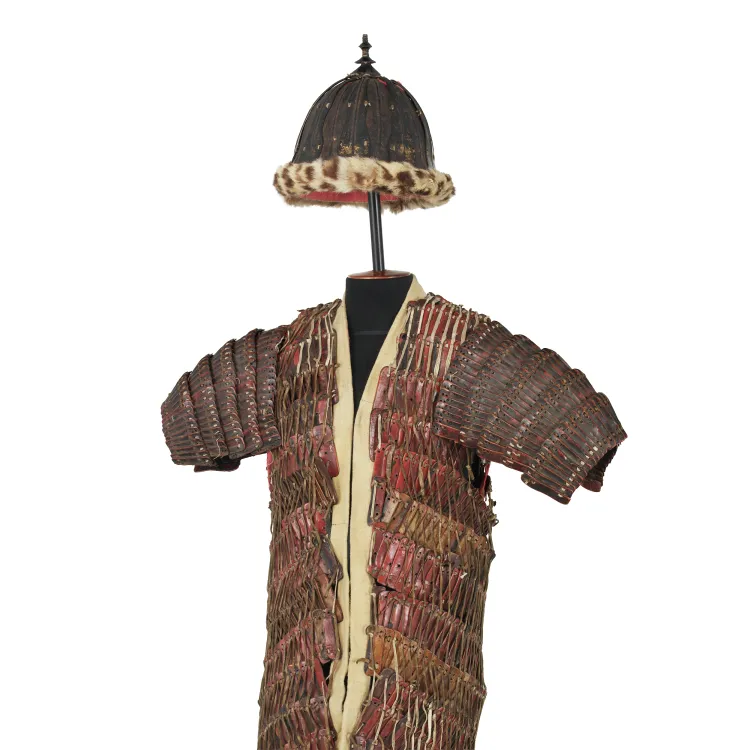
Most of the armour worn by the nomadic Mongols and their steppe predecessors was of a form called ‘lamellar’. This was named after the small plates or lamellae from which it was assembled. Each small plate of hardened leather or iron was pierced with a series of holes and then laced together with leather cords. Every plate overlapped the one beside it, creating horizontal rows of armour. The resultant strips were then attached together one above the other, overlapping in an upwards direction and threaded with vertically aligned laces. This method produced large sections of robust but flexible armour which could be assembled into garments to cover the body and limbs. Lamellar armour was particularly well suited to steppe cavalry use. The materials, tough surface and overlap of the lamellae acted to deflect arrows and absorb impact from any that penetrated, meaning that it was ideal in environments where archers on horseback dominated the battlefield.
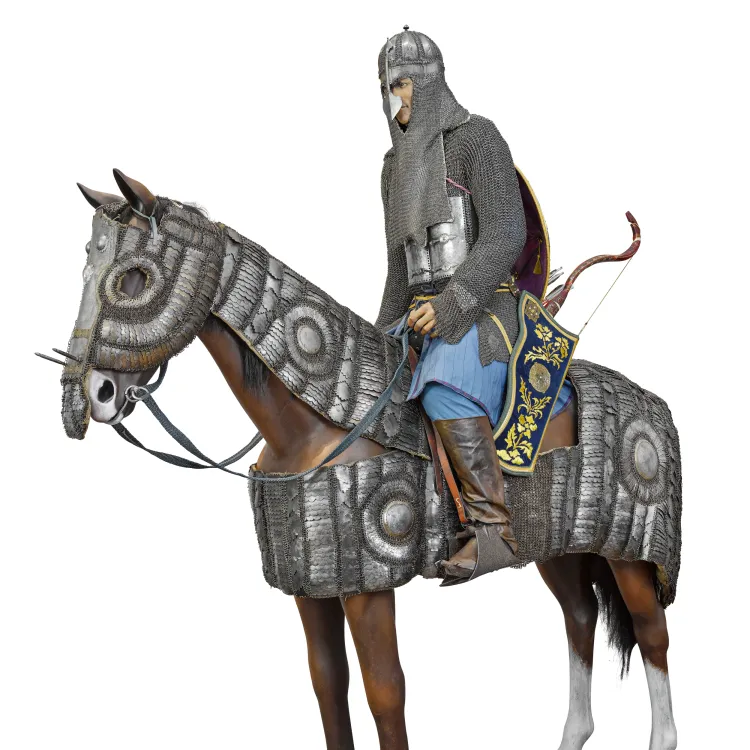
In his report to Pope Innocent IV, John of Plano Carpini detailed the leather and metal armour, including helmets and cuirasses, he observed being worn by wealthier Mongolian warriors and their horses.
Some of the Tartars [meaning Mongols] have all the things […] made of iron in the following fashion: they make a number of thin plates of the metal, a finger’s breadth wide and a hand’s breadth in length, piercing eight little holes in each plate; as a foundation they put three strong narrow straps; they then place the plates one on top of the other so that they overlap, and they tie them to the straps by narrow thongs which they thread through the aforementioned holes; at the top they attach a thong, so that the metal plates hold together firmly and well. They make a strap out of these plates and then join them together to make sections of armour […]
From History of the Mongols by John of Plano Carpini
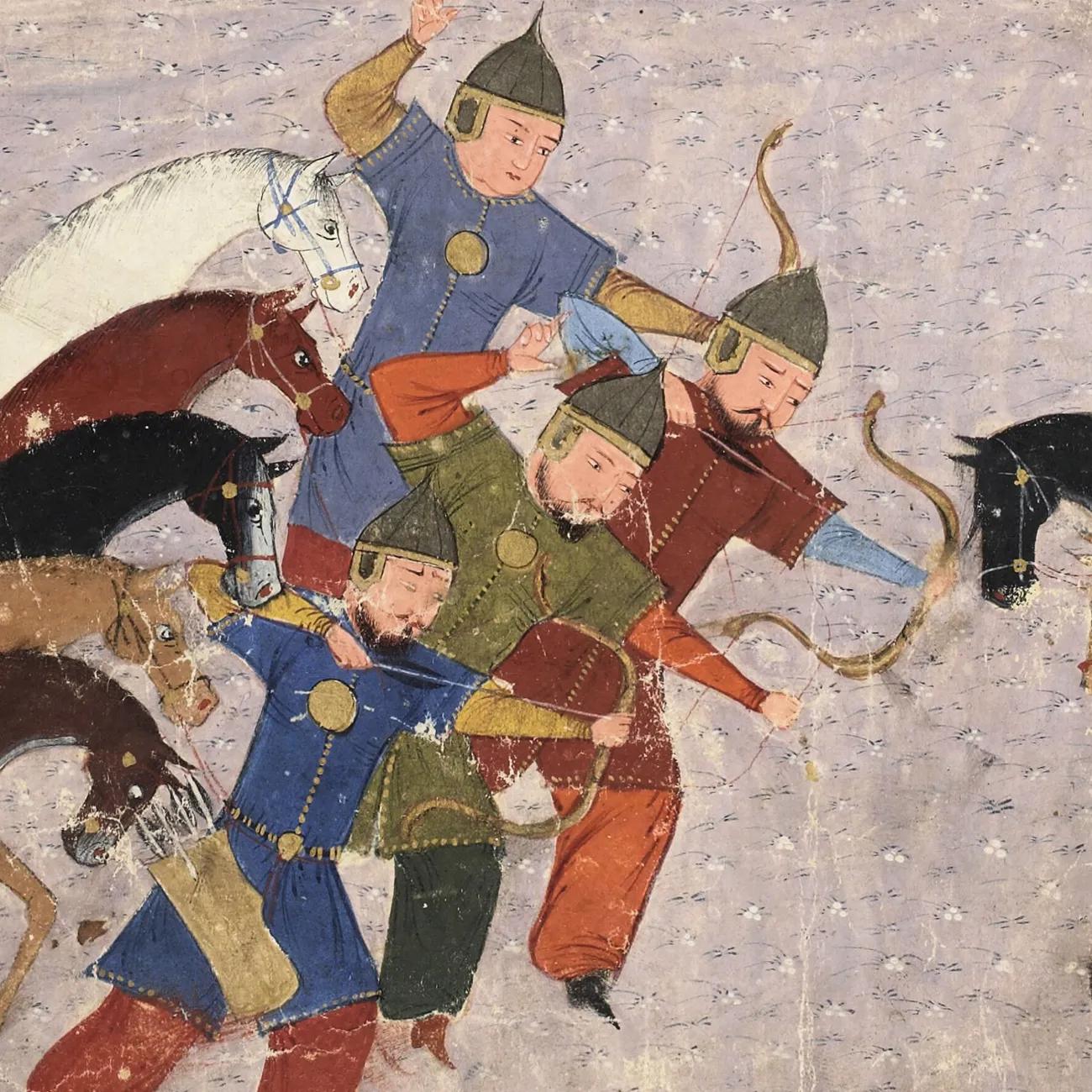
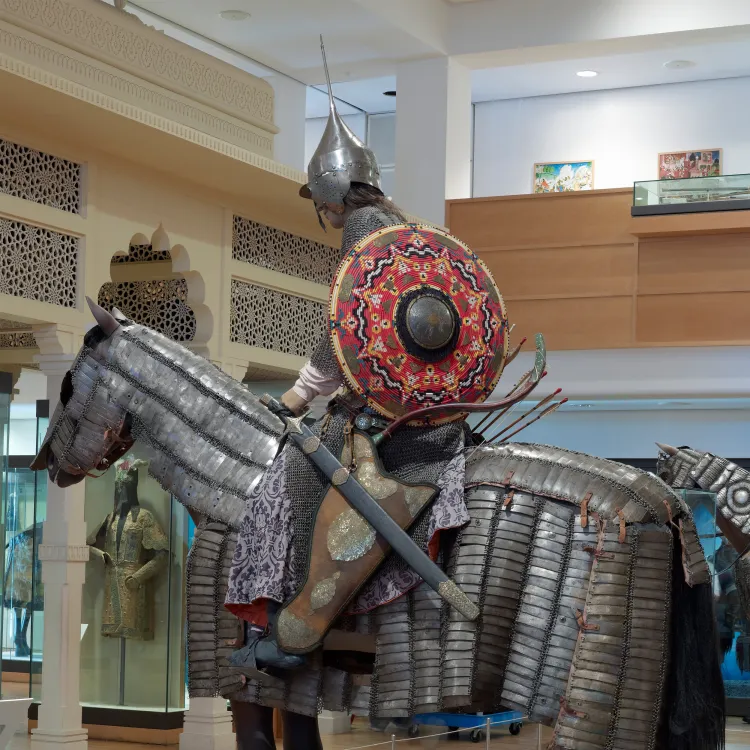
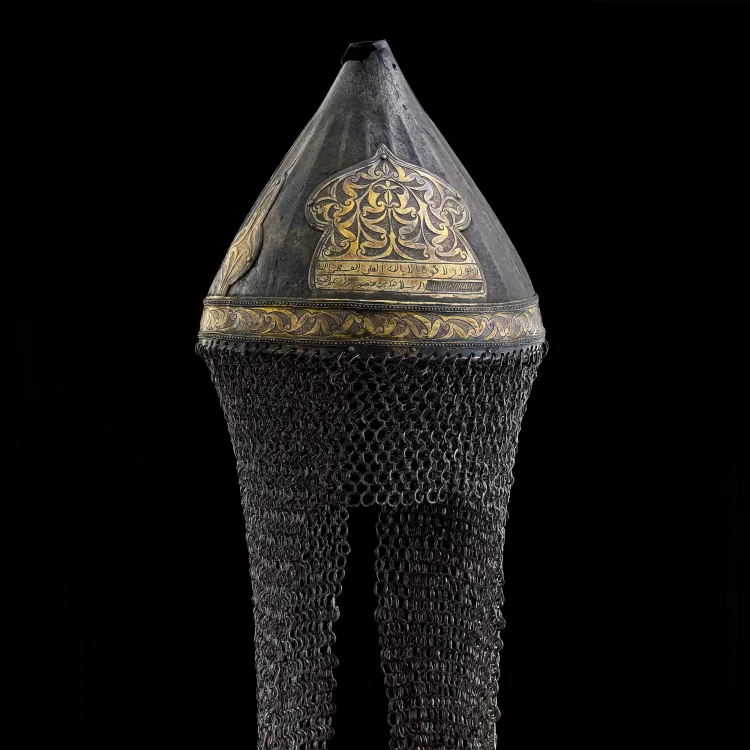
As the Mongols conquered further afield, they acquired and absorbed many of the types and styles of equipment that they encountered amongst their opponents. In this way it is likely that mail and some forms of plate armour were incorporated and used. It is difficult to state reliably how widespread these other forms were, and lamellar armour remained the dominant type of defence worn by forces of the Mongol Empire. Within the later successor states, however, the adoption of local forms and materials was far more prevalent, such as with full mail and plate armour. This form of armour was used extensively by the heavy cavalry of the Timurids and the Mughals, with the founders of both dynasties being descended directly from Chinggis Khan.
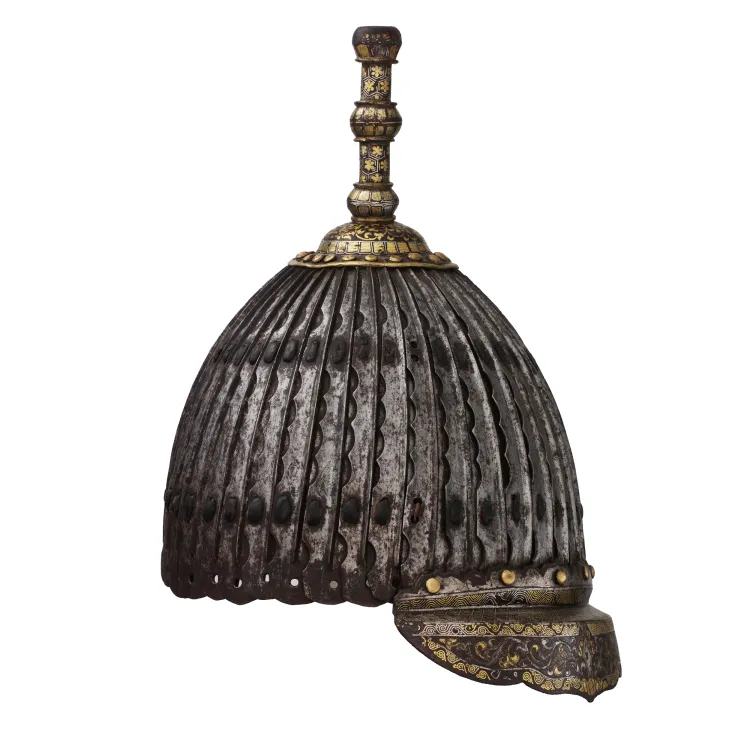
Helmets too could be built up from lamellae, with overlapping plates or segments shaped to form the skull. Alternatively, helmets were constructed as rounded bowls made of metal, moulded rawhide, or hardened leather. These would have cusped sections for the eyes and would often be fitted with attached neckguards formed of lamellar, leather, or tough textile.

Although armour was mainly intended to be functional, it was also an opportunity to impress friends and intimidate enemies. Body armour and helmets could be richly decorated with panels of embroidered silk and brocade or adorned with paint or metalwork.
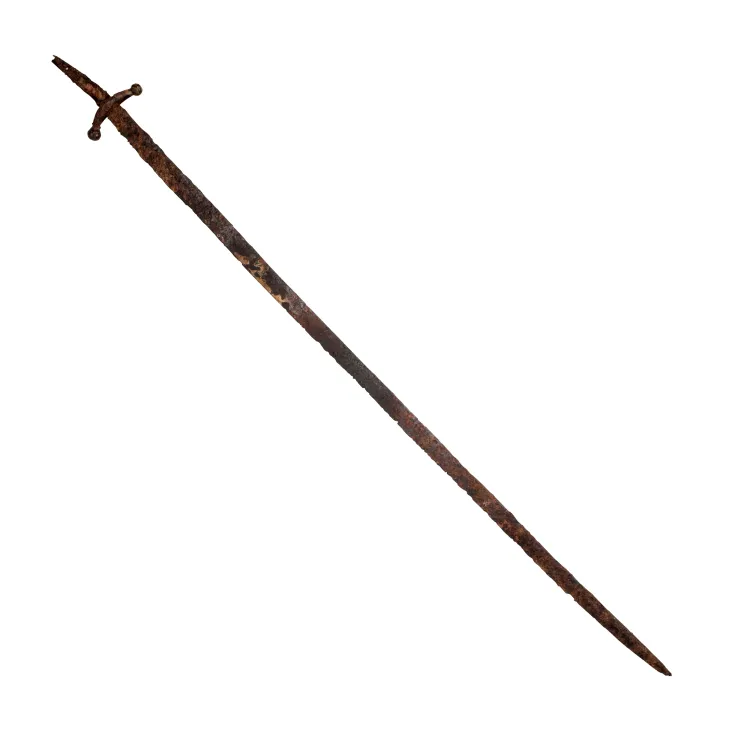
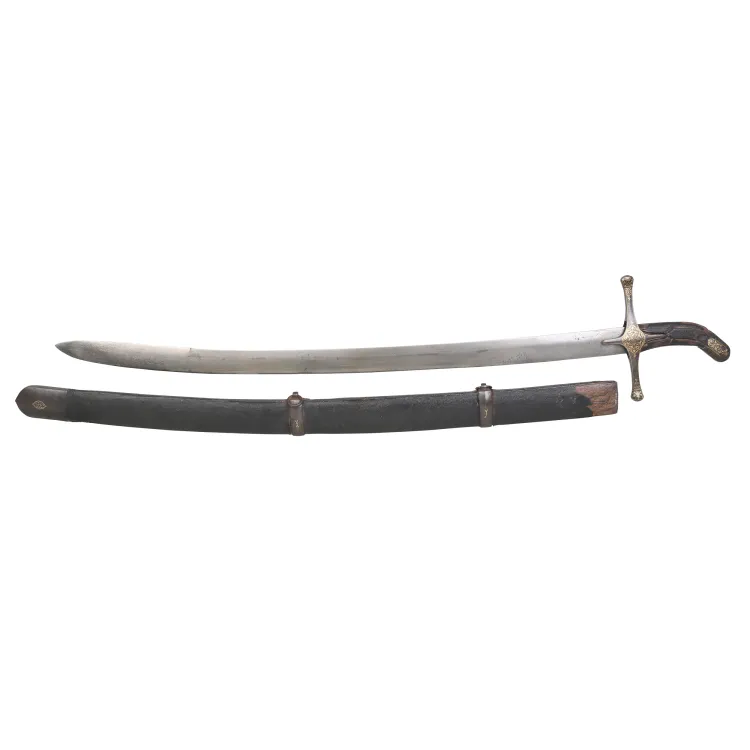
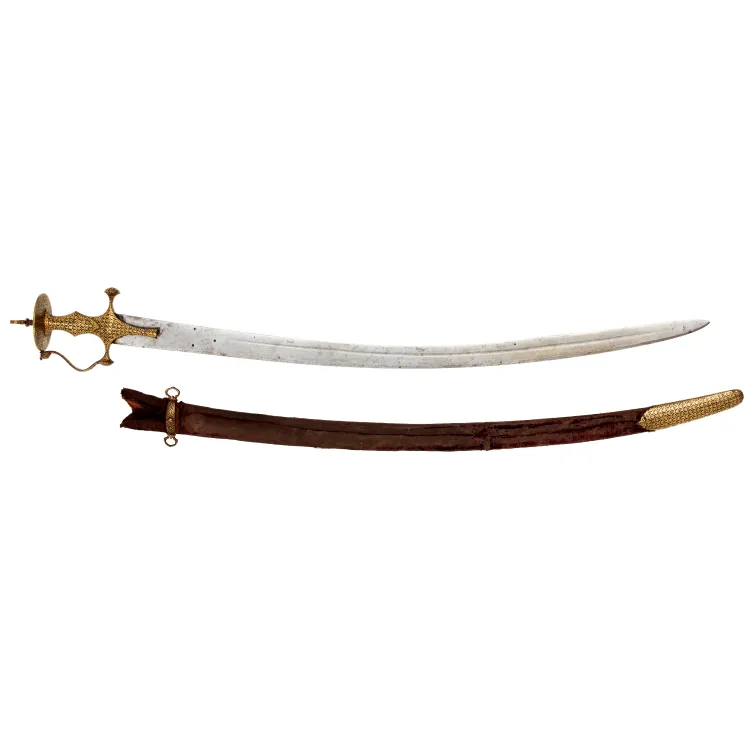
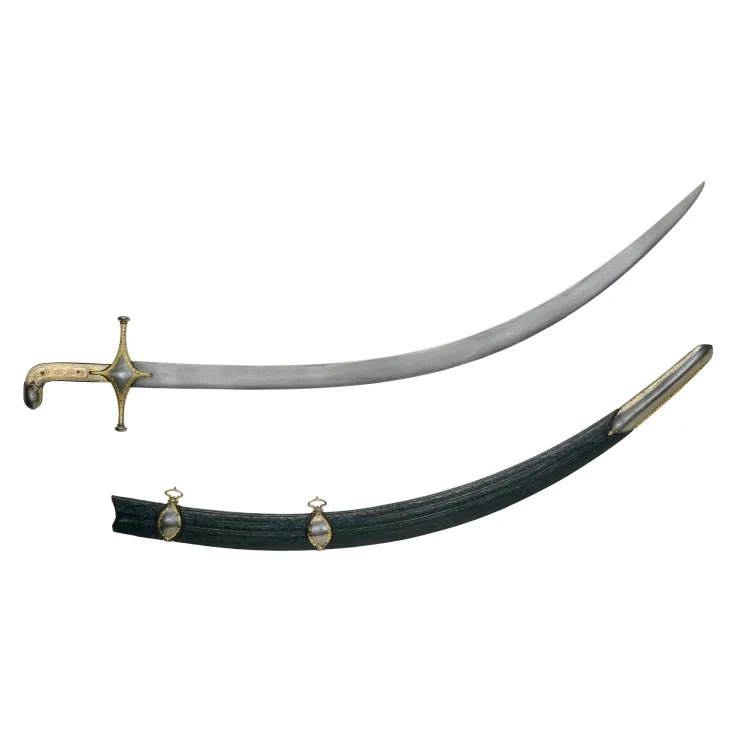
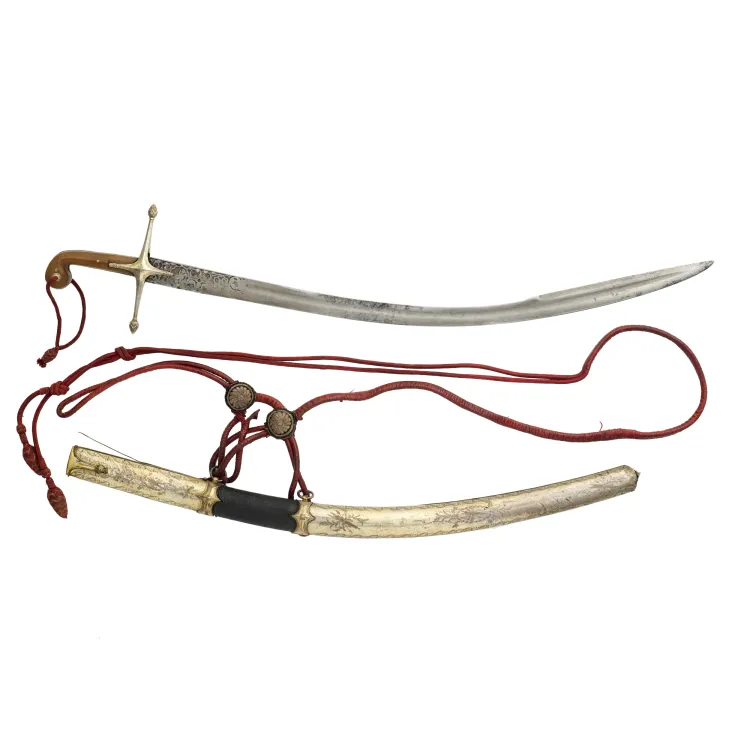
According to John of Plano Carpini, wealthy Mongols had "...swords pointed at the end but sharp only on one side and somewhat curved". For a horse-borne warrior moving at speed, a single-edged, curved blade with a guard was far easier to wield than a straight blade. A curved blade allowed a rider to deliver a slashing cut which they could follow through with momentum whilst riding past the enemy. A straight blade necessitated more of a chopping action or a thrust, both of which risked obstructing the rider’s motion or even unhorsing them, especially if the blade became lodged in an opponent. Written and illustrated sources and surviving archaeological evidence all point to single-edged swords being the popular choice for those Mongols who were sufficiently senior and wealthy to equip themselves with these weapons.
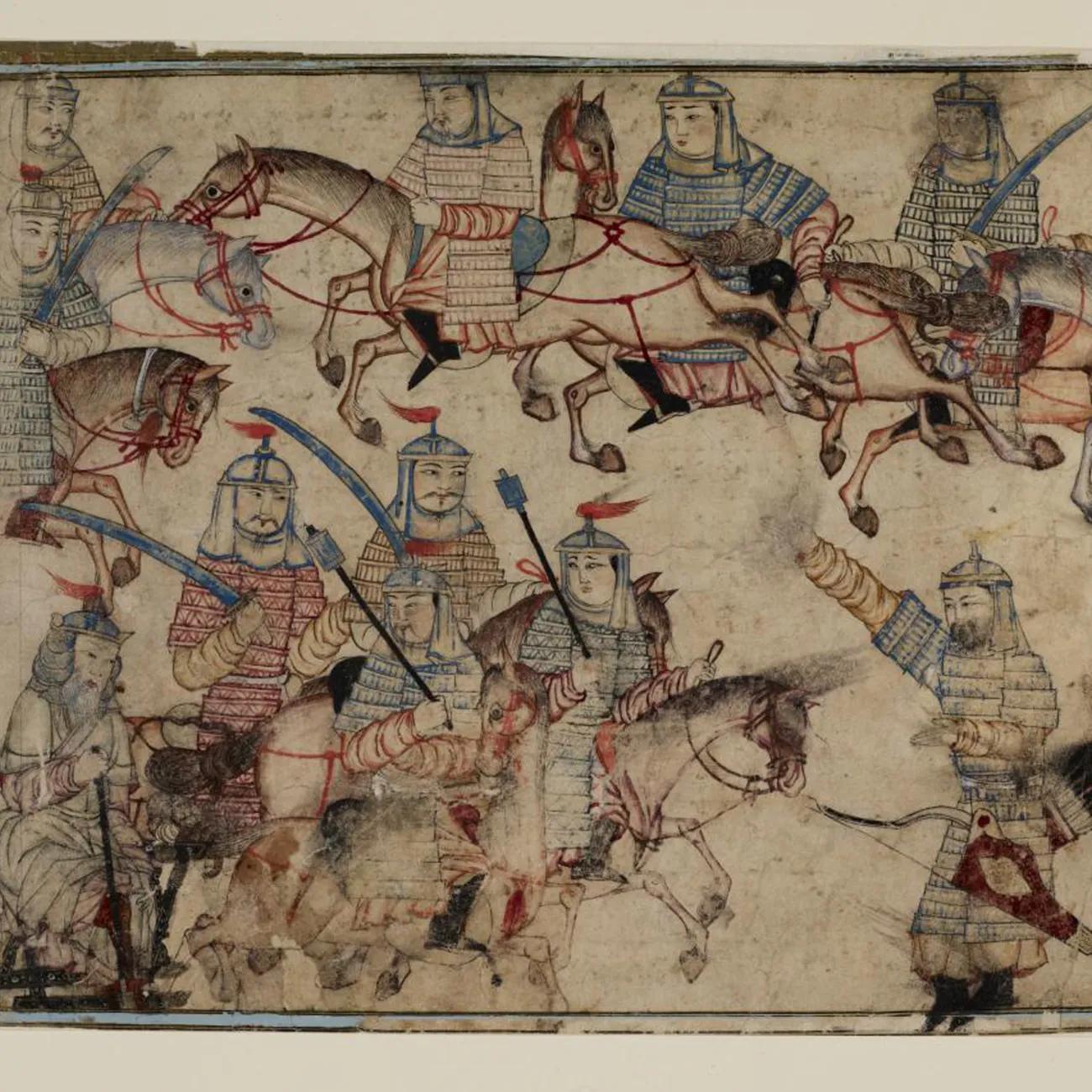
Curved swords particularly suited to cavalry use are thought to have first emerged on the Eurasian steppe between the eighth and ninth centuries. There have been suggestions however that the development of curved cavalry swords could have been as early as the seventh century.
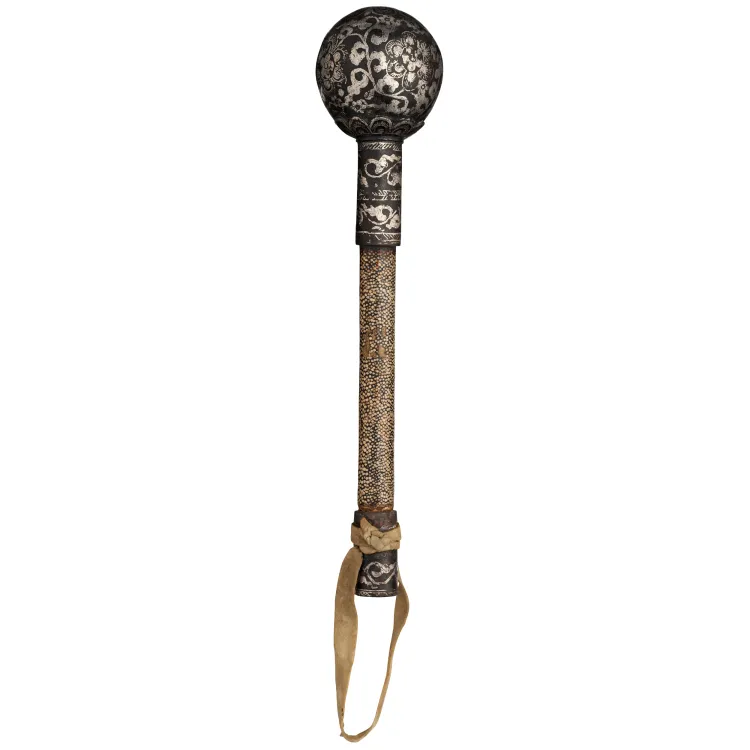
The mace was an important weapon for Mongol warriors when fighting at close quarters. Although the composite bow was the primary weapon of the Mongol horseman and central to their hit-and-run tactics, warriors also needed effective weapons for melee combat. Maces could deliver powerful blows in close fighting and also held symbolic and ceremonial significance in Mongol society. Ornate examples were carried by high-ranking individuals as symbols of prestige, power and authority.
Marco Polo gives a narrative account of a battle in Manchuria in 1287 when Kublai Khan quashed a rebellion raised by the Mongol prince Nayan.
...the two armies fell upon each other with bow and sword and club [mace], and a few with lances. […] Now you might see arrows flying like pelting rain, for the whole air was full of them. Now you might see horsemen and horses tumbling dead upon the ground. So loud was the shouting and the clash of arms that you could not have heard the thunder of heaven.
From The Travels of Marco Polo, translated and edited by R. Latham (Penguin, 1958).
Spears and lances do appear in historical accounts and several staff weapon heads have been found in archaeological excavations. However, they do not seem to have been as widespread as the bow or even as common a personal weapon as the curved sword.
During his travels, John of Plano Carpini found that some Mongols "...have lances which have a hook in the iron neck, and with this, if they can, they will drag a man from his saddle."

Carpini’s account implies that they were not automatically included in every steppe warrior’s standard set of equipment. This patchier representation reflects the fact that the Mongols tended to operate mainly as a light cavalry force. Despite this, staff weapons certainly seem to have been deployed in close combat, likely by more heavily armoured units charging with the lance when required. They were also used by guards.
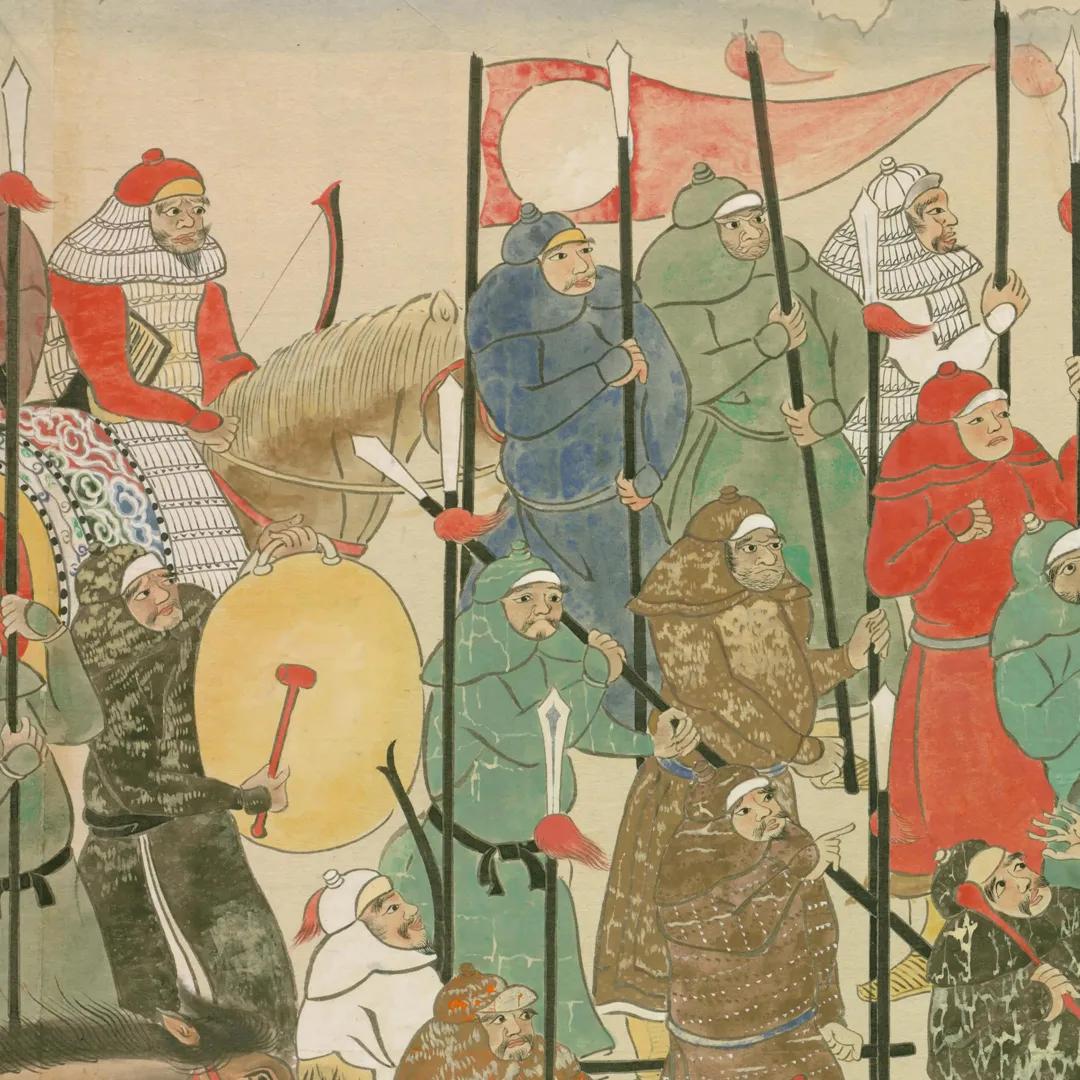
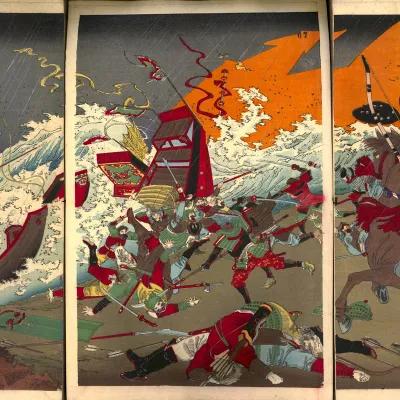
The Secret History of the Mongols recounts that swords and spears were part of the training of some warriors from childhood onwards. These spears were hardened, and Genghis Khan himself instructed his night guard to take care of their standards, which included those with spearheads. When compelled to operate outside their usual sphere, it is likely that staff weapons played a more notable role. For example, they also seem to have been used by the Mongolian Yuan dynasty in the attempted invasion of Japan. When Mongol Yuan soldiers arrived in Japan, they did not have access to their usual ready supply of horses. Instead, according to accounts of the attack and the Mongol Invasion Scrolls, infantry operating in close-order units and armed with spears and glaives took to the field.



Join the conversation